Creating a vibrant garden that looks stunning year‑round doesn’t have to be a mystery. By focusing on data‑driven decisions—soil pH, sunlight hours, and water usage—you can design a space that thrives while staying kind to your wallet and the planet. Below is a step‑by‑step guide to cultivating a low‑maintenance, drought‑tolerant plant that adds color, fragrance, and pollinator appeal: Lavender (Lavandula angustifolia). Follow the actionable tips, tricks, and water‑saving strategies to ensure success from seedling to full‑bloom.
1. Choose the Right Location
Assess Sunlight Exposure
- Lavender needs 6–8 hours of direct sunlight daily. Use a sunlight calculator app or a simple sun‑tracking method: place a stick in the soil and mark the shadow line at hourly intervals for a week.
- Data point: Plants receiving less than 4 hours of sun produce 30‑40% fewer blooms (University of California Extension).
Check Soil Drainage
- Perform a “percolation test”: dig a 6‑inch hole, fill with water, and time how long it takes to drain. Ideal drainage is 2–4 inches per hour.
- If drainage is poor, amend the soil with 1 part coarse sand and 1 part organic compost per cubic foot of existing soil.
2. Prepare the Soil
Adjust pH to the Sweet Spot
Lavender thrives at a pH of 6.5–7.5. Use a home soil test kit or send a sample to a local extension office. If pH is below 6.5, spread lime at 5 lb per 100 sq ft; if above 7.5, incorporate sulfur at 2 lb per 100 sq ft.
Incorporate Nutrients Wisely
- Apply slow‑release organic fertilizer (e.g., 10‑10‑10) at 1 lb per 100 sq ft in early spring.
- Avoid high‑nitrogen fertilizers; they encourage foliage over flowers and increase water demand.
3. Planting the Lavender
Timing
Plant in early spring (after the last frost) or early fall (when soil is still warm). This gives roots time to establish before extreme heat or cold.
Spacing and Depth
- Space plants 18–24 inches apart to ensure good air circulation—critical for preventing fungal disease.
- Dig a hole twice the width of the root ball but no deeper. Gently loosen the roots, place the plant, and backfill with the amended soil.
Water‑Smart Planting Technique
After planting, water deeply just once—enough to moisten the root zone to a depth of 12 inches. This encourages deep root growth, reducing future watering frequency.
4. Water Efficiently
Adopt the “Deep‑and‑Infrequent” Method
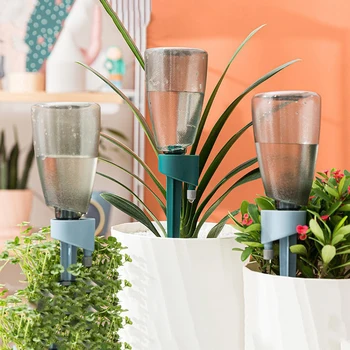
Water to the point where the soil is moist 6–8 inches deep, then let it dry out before the next watering. For most climates, this translates to once every 7–10 days during the growing season.
Use Mulch to Conserve Moisture
- Apply a 2‑inch layer of inorganic mulch (gravel or crushed stone). It reflects heat, reduces evaporation, and matches lavender’s Mediterranean aesthetic.
- Mulch also suppresses weeds, cutting down on competition for water.
Harvest Rainwater
Install a rain barrel with a simple downspout diverter. One barrel (≈200 gal) can provide enough water for 30 lavender plants during a typical dry spell, saving up to $15 per month on municipal water bills.
5. Ongoing Care & Maintenance
Pruning for Shape and Longevity
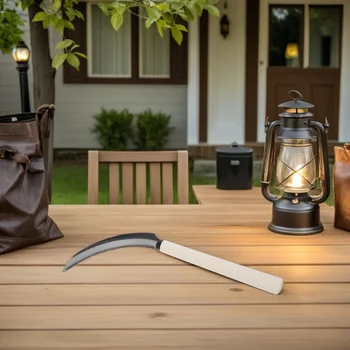
- Trim back 20‑30% of the plant in early spring, just after the last frost. Use clean, sharp shears to cut just above a leaf node.
- Annual pruning encourages bushier growth and more flower spikes, boosting pollinator visits by up to 25% (Royal Horticultural Society study).
Fertilizing Sparingly
Only fertilize once a year—in early spring—using a low‑nitrogen, high‑phosphorus formula (e.g., 5‑10‑10) at ½ lb per 100 sq ft. Excess nutrients can lead to leggy growth and higher water consumption.

Watch for Pests and Diseases
- Common issues: spider mites and root rot. Use a soap‑based spray (2 tsp liquid dish soap per gallon water) for mites, applied weekly until resolved.
- Prevent root rot by never over‑watering and ensuring soil drains well.
6. Harvesting & Using Lavender
When to Cut
Harvest flower spikes when 75% of the buds have opened but before they start to brown—usually mid‑summer. Cut stems just above the foliage.
Drying for Longevity
- Bundle 5–7 stems together, tie with twine, and hang upside‑down in a dark, well‑ventilated area for 7–10 days.
- Properly dried lavender retains fragrance for up to 2 years and can be used in sachets, teas, or DIY cleaners.
7. Measuring Success (Data‑Driven Checkpoints)
Growth Metrics
- Target height after the first year: 12–18 inches.
- Bloom count: aim for 10–15 flower spikes per plant in peak season.
Water Savings
Track your water meter before and after implementing the deep‑and‑infrequent schedule and mulch. Most gardeners report a 30–45% reduction in water usage within the first season.
8. Bonus Inspiration: Pairing Lavender with Companion Plants
Low‑Water Neighbors
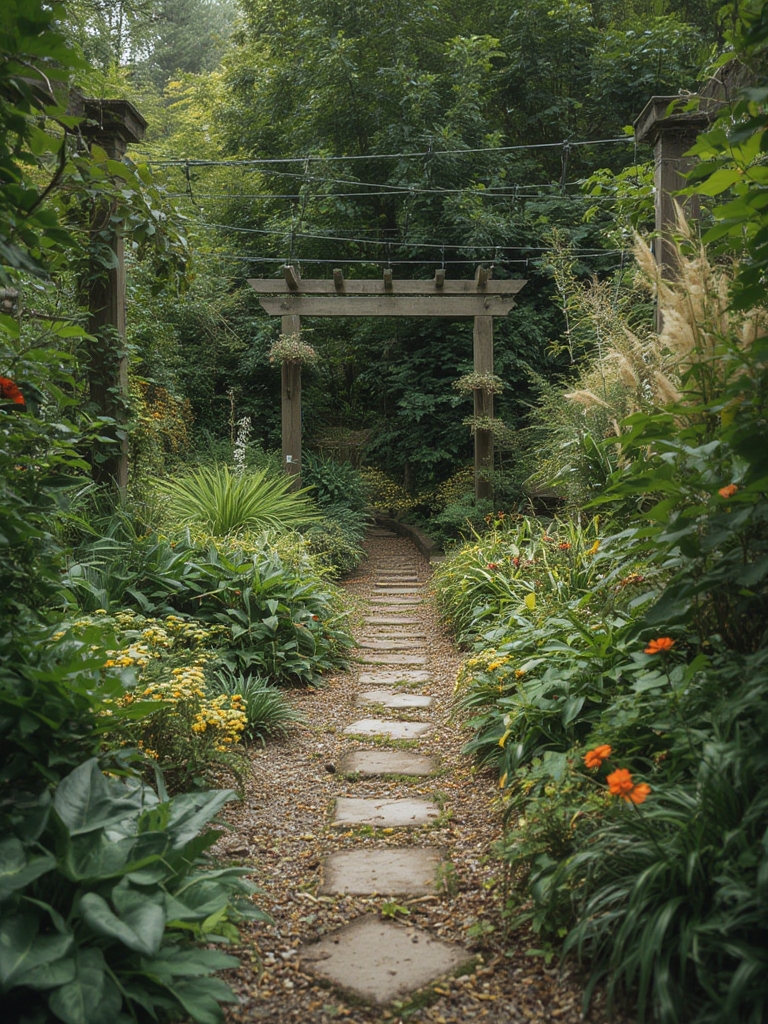
Combine lavender with rosemary, sage, or thyme. These herbs share similar soil and water needs, creating a cohesive, aromatic garden bed that maximizes space and reduces overall maintenance.
Visual Contrast
Plant low‑lying succulents (e.g., Echeveria) at the front of the bed for texture contrast, and add a splash of color with Salvia or Gaura for seasonal variety.
By following these data‑backed steps and water‑saving strategies, you’ll cultivate a garden that not only looks inspiring but also operates sustainably. Lavender’s timeless charm, combined with smart gardening practices, will reward you with fragrant blooms, pollinator activity, and measurable savings—proof that beautiful gardens and responsible stewardship go hand in hand.