
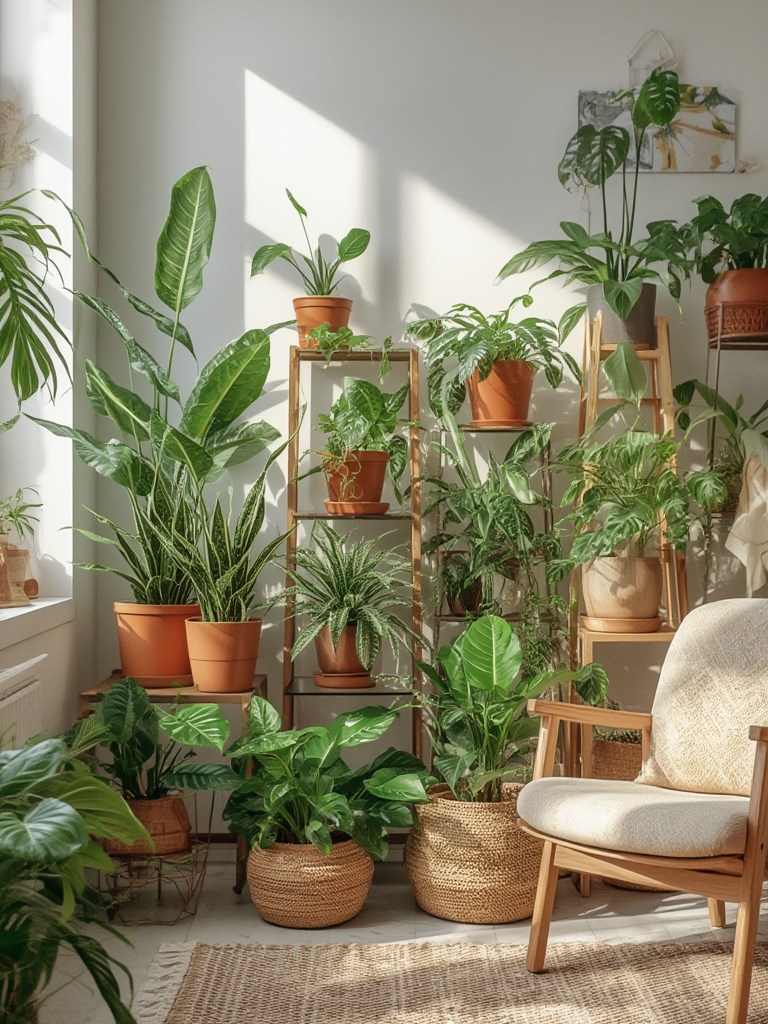
Why Herbs & Aromatic Gardens Thrive in the Modern Home
Recent surveys show that 68% of urban gardeners prioritize herbs for both culinary and therapeutic uses. Their compact size, low maintenance, and year‑round utility make them perfect for balconies, patios, and small backyards. By planting a mix of culinary herbs (like basil, rosemary, and mint) and aromatic companions (such as lavender and sage), you create a multi‑sensory garden that boosts flavor, fragrance, and even mental well‑being.
Step‑by‑Step Guide to Growing a Successful Herbs & Aromatic Garden
1. Choose the Right Location
- Sunlight: Most herbs need 6–8 hours of direct sun. Use a light meter or a smartphone app to confirm exposure.
- Airflow: Good circulation reduces fungal risk. Position plants where a gentle breeze can pass without causing wind‑burn.
- Space Planning: Space herbs 12–18 inches apart (larger shrubs like rosemary need 24 inches). Sketch a layout on graph paper to avoid overcrowding.
2. Prepare the Soil
- pH Check: Aim for a soil pH of 6.0–7.0. A simple kit can give you a reading within minutes.
- Drainage: Mix 1 part coarse sand or perlite into the top 6 inches of soil to improve drainage.
- Organic Boost: Add 2–3 inches of well‑composted organic matter. This raises nutrient levels and retains moisture without waterlogging.
3. Planting Your Herbs
- Seed vs. Transplant: For faster results, start with healthy transplants from a reputable nursery. If sowing seeds, plant them ¼ inch deep and keep the soil consistently moist until germination.
- Depth & Spacing: Plant each herb at the same depth it was in its container. Press soil gently around the roots to eliminate air pockets.
- Water In: Give each new plant a thorough soak (about 250 ml per pot) to settle the soil.
4. Watering & Feeding
- Schedule: Water early in the morning 2–3 times per week, adjusting for rainfall. The top inch of soil should feel dry before the next watering.
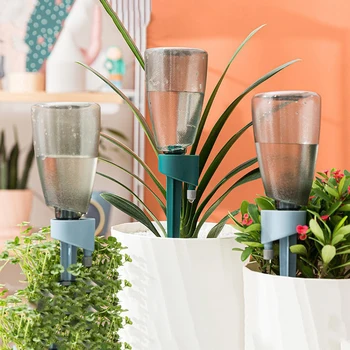
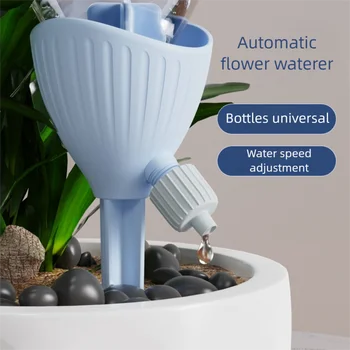
- Method: Use a drip irrigation system or a watering can with a rose head to deliver water directly to the root zone, minimizing leaf wetness.
- Fertilizer: Apply a balanced, slow‑release organic fertilizer (10‑10‑10) at ½ the recommended rate every 6 weeks. Over‑fertilizing can reduce flavor intensity.
5. Pruning & Harvesting
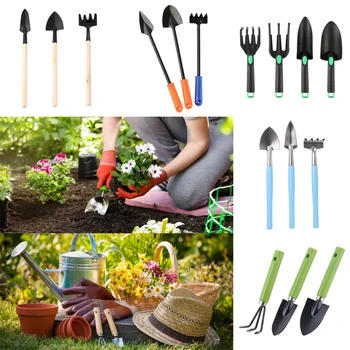
- Regular Trims: Pinch back the tips of basil, mint, and thyme every 2–3 weeks to encourage bushier growth and prevent bolting.
- Harvest Timing: Cut leaves in the morning after dew has dried but before the sun’s heat peaks. This preserves essential oils.
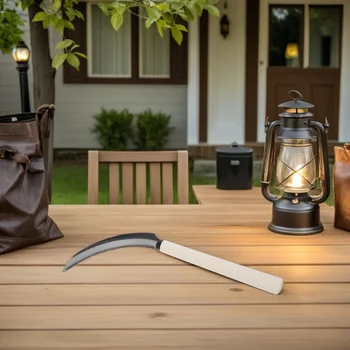
- Tool Care: Use clean, sharp scissors. Sterilize with rubbing alcohol between cuts to avoid disease spread.
6. Pest & Disease Management
- Early Detection: Inspect leaves weekly for aphids, spider mites, or fungal spots. A magnifying glass helps spot tiny pests.
- Natural Controls: Spray a neem oil solution (1 tsp per quart of water) every 7–10 days during an outbreak.
- Companion Planting: Plant marigolds or nasturtiums nearby; they repel many common herb pests.
Ensure Thriving Blooms by Skipping These Common Mistakes
1. Overwatering
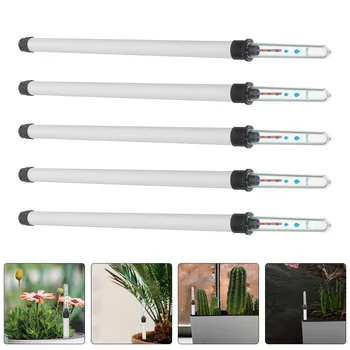
Herbs are prone to root rot when soil stays soggy. Use a moisture meter and allow the top inch to dry before each watering. Mulching with straw or shredded bark helps regulate moisture without suffocating roots.
2. Ignoring Soil Nutrition
Skipping compost or using only synthetic fertilizers can lead to weak, flavorless plants. Incorporate 2–3 inches of aged compost annually and top‑dress with a thin layer of kelp meal to boost micronutrients.
3. Planting Too Close Together
Overcrowding limits airflow, encouraging fungal diseases. Follow the spacing guidelines above and thin seedlings to the recommended distance once they have 2–3 true leaves.
4. Harvesting at the Wrong Time
Cutting leaves after they’ve flowered often reduces potency. For most herbs, harvest before the plant sends up a flower stalk; for lavender, wait until buds are just opening for the strongest scent.
5. Using the Wrong Light Conditions
Shade‑loving herbs like mint can tolerate partial shade, but sun‑requiring herbs (rosemary, thyme) will become leggy and weak if placed in low‑light spots. Adjust placement seasonally—move containers to sunnier spots in winter if possible.
Quick Reference Checklist
- ☑ Verify sunlight (6–8 hrs) and airflow.
- ☑ Test soil pH (6.0–7.0) and amend with sand/perlite.
- ☑ Plant transplants at original depth; space 12–24 in.
- ☑ Water early morning; allow top inch to dry.
- ☑ Apply organic fertilizer at ½ rate every 6 weeks.
- ☑ Prune every 2–3 weeks; harvest morning leaves.
- ☑ Inspect weekly for pests; use neem oil if needed.
- ☑ Avoid overwatering, overcrowding, and late harvesting.
By following these data‑backed steps and sidestepping the most frequent pitfalls, your herbs and aromatic plants will not only survive—they’ll flourish, delivering fresh flavor and fragrance throughout the growing season.