Flower gardening is more than just planting pretty blooms; it’s a rewarding blend of science, art, and seasonal strategy. By treating each garden as a data‑driven experiment, you can predict which varieties will thrive, maximize bloom time, and create a collection that dazzles both the eye and the mind. Below is a step‑by‑step guide that walks you through site selection, soil preparation, planting, maintenance, and harvesting, with practical tips and unique collector‑grade plants that will set your garden apart.
1. Site Selection & Light Mapping
Assess Sun Exposure
- Use a sunlight log: For one week, record the amount of direct sun each potential spot receives (morning, midday, afternoon). Aim for 6–8 hours of full sun for most flowering species.
- Data tip: Plot the hours on a simple spreadsheet; spots with >5 hours consistently score higher for bloom density.
Microclimate Considerations
- Identify wind corridors and frost pockets. A windbreak (e.g., a low fence or shrub) can protect delicate blooms.
- Check soil drainage by digging a 12‑inch hole, filling it with water, and timing how long it takes to drain. Ideal drainage: 30–45 minutes.
2. Soil Preparation & Nutrient Profiling
Test & Amend
- Purchase a DIY soil test kit or send a sample to a local extension office.
- Target pH 6.0–6.8 for most annuals and perennials; adjust with lime (raise pH) or sulfur (lower pH).
- Incorporate organic matter: add 2–3 inches of compost or well‑rotted manure, then till to a depth of 8–10 inches.
Balanced Fertilization
Use a 10‑10‑10 balanced fertilizer at a rate of 1 lb per 100 sq ft during planting. For a data‑driven boost, apply a slow‑release formula (e.g., 5‑10‑5) every 8 weeks, tracking leaf color and growth rate in a garden journal.
3. Selecting Eye‑Catching Collector Plants
Unique Annuals
- Celosia cristata (Cockscomb) – striking crested blooms, ideal for cutting.
- Lantana camara ‘New Gold’ – vibrant gold foliage with multi‑colored flower clusters.
Show‑Stopping Perennials
- Echinacea purpurea ‘Magnus’ – oversized purple cones that attract pollinators.
- Rudbeckia fulgida ‘Goldsturm’ – bold, long‑lasting yellow petals with a dark center.
Exotic Bulbs & Tubers
- Dahlia ‘Karma’ – deep magenta petals with a dramatic, high‑centered form.
- Gloriosa lily (Gloriosa superba) – climbing vines with fiery red and yellow blossoms, perfect for trellises.
4. Planting Techniques & Timing
Seed Sowing
- Start seeds indoors 6–8 weeks before the last frost date. Use a seed‑starting mix and label each tray.
- Maintain a temperature of 68–72°F (20–22°C) and keep the medium moist but not soggy.
- Transplant seedlings when they have 2–3 true leaves and the outdoor temperature is consistently above 50°F (10°C).
Direct‑Sowing & Spacing
- Follow seed packet spacing guidelines; a common rule is 12–18 inches between plants for most annuals.
- Plant at a depth of ¼ the seed’s diameter; for larger seeds (e.g., cosmos), plant ½ inch deep.
Planting Perennials & Bulbs
- Dig a hole twice the width of the root ball and the same depth as the container.
- Place the plant at the same soil level it was growing in the pot; backfill with amended soil.
- Water thoroughly to settle soil and eliminate air pockets.
5. Watering Strategies & Moisture Management
Smart Irrigation
- Install a drip‑line system with a timer set to 30‑45 minutes early morning, 2–3 times per week, adjusting for rainfall.
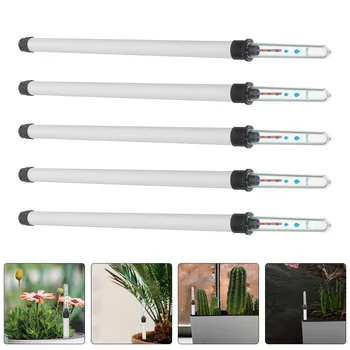
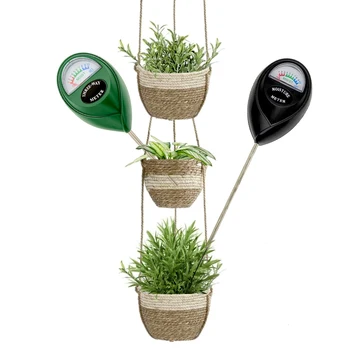
- Use a soil moisture meter; aim for a reading of 40–60% for most flowering plants.
Mulching for Consistency
Apply a 2–3 inch layer of organic mulch (e.g., shredded bark, straw) around the base of each plant. Mulch conserves moisture, suppresses weeds, and slowly adds nutrients as it decomposes.
6. Feeding, Pruning, & Pest Management
Fertilizer Schedule
- Apply a liquid fertilizer (e.g., 20‑20‑20) every 4 weeks during active growth. Record bloom count after each feeding to gauge effectiveness.
- For heavy bloomers like dahlias, add a phosphorus boost (e.g., 10‑30‑10) after the first flush of flowers.
Pruning & Dead‑Heading
- Remove spent blooms (dead‑heading) weekly to encourage repeat flowering.
- Pinch back the tips of young seedlings to promote bushier growth.
- For perennials, cut back stems to 2 inches above ground after the first frost to prepare for winter.
Integrated Pest Management (IPM)
- Monitor weekly for aphids, spider mites, and slugs. Use yellow sticky traps for flying pests.
- Apply neem oil or insecticidal soap at the first sign of infestation; repeat every 7–10 days.
- Encourage beneficial insects by planting companion herbs such as basil, dill, and mint.
7. Harvesting & Display Techniques
Cut‑Flower Harvest
- Cut stems early in the morning when water content is highest.
- Leave a 2‑inch stem above the first set of buds to allow for regrowth.
- Place stems immediately in a bucket of cool water with a teaspoon of floral preservative.
Preserving for Longevity
- Re-cut stems under water every 24 hours.
- Store bouquets in a cool, dark area (45–55°F) to extend vase life up to 10 days.
8. Tracking Success & Continuous Improvement
Garden Journal & Data Review
Maintain a simple spreadsheet with columns for planting date, variety, soil pH, fertilizer type, watering frequency, pest incidents, and bloom count. Review the data at the end of the season to identify high‑performing varieties and adjust future planting plans.
Seasonal Adjustments
- In hot summer months, increase watering frequency by 20% and add a light shade cloth for heat‑sensitive species.
- In early spring, apply a starter fertilizer (high nitrogen) to boost vegetative growth before the first bloom cycle.
By treating your flower garden as a living dataset, you’ll not only enjoy a vibrant, ever‑changing display but also build a collection of standout plants that become the envy of neighbors and fellow gardeners. Follow these steps, record your observations, and watch your garden evolve into a data‑driven masterpiece.