Flower gardening is both an art and a science. By combining data‑driven decisions with simple, repeatable steps, you can create vibrant beds that thrive year after year. Below is a practical, step‑by‑step guide that walks you through everything from soil testing to seasonal theme refreshes, ensuring your garden stays colorful, healthy, and low‑maintenance.
1. Assess Your Site and Set Seasonal Themes
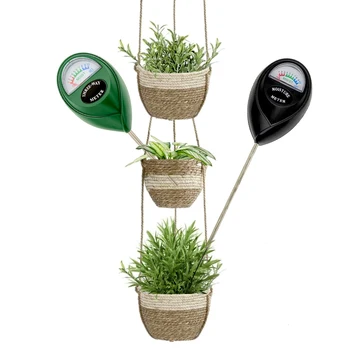
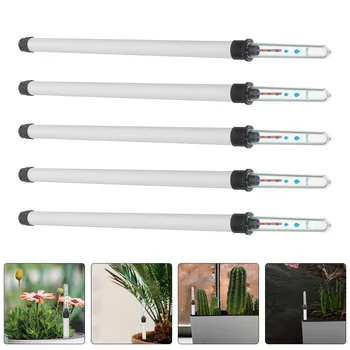
Start by mapping your garden’s micro‑climates. Use a handheld soil pH meter or a simple DIY kit to record pH, texture, and drainage in each zone. Aim for a pH of 6.0–7.0 for most flowering plants. Note sunlight exposure in hourly increments: full sun (6+ hours), partial shade (3–6 hours), and full shade (<3 hours). Plot these data points on a sketch of your yard.
Next, Refresh your garden with themes for every season. Choose a color palette and plant group for each quarter:
- Spring: Pastels – tulips, hyacinths, and crocuses.
- Summer: Bold brights – roses, marigolds, and zinnias.
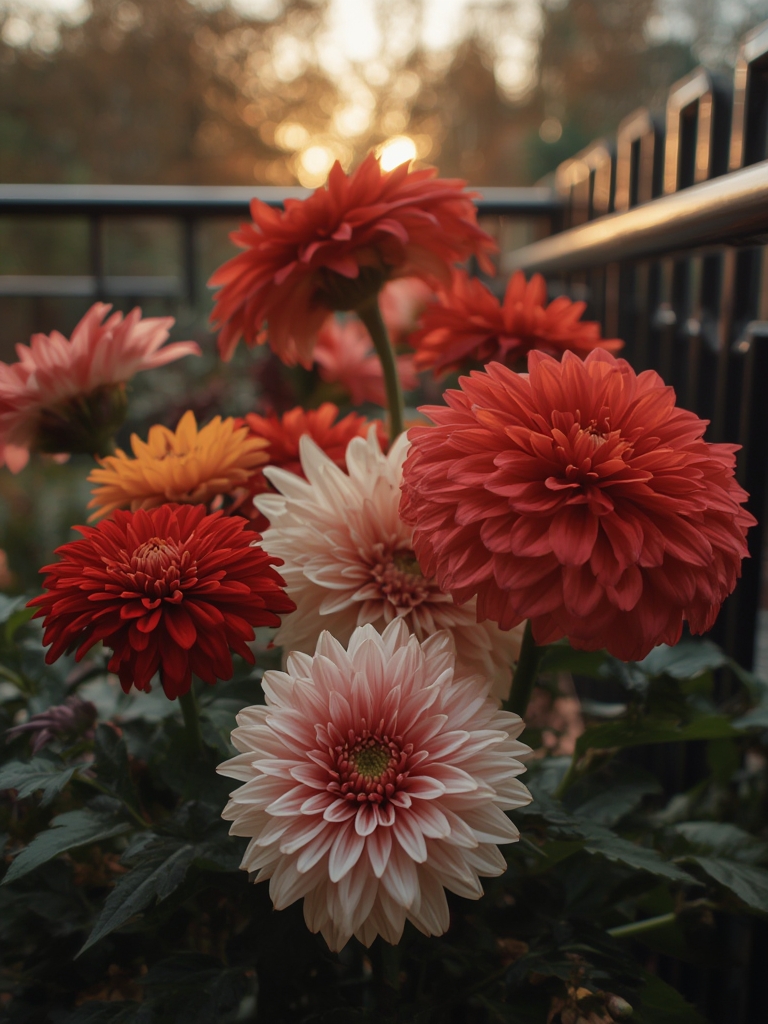
- Fall: Warm earth tones – chrysanthemums, asters, and ornamental kale.
- Winter: Structural interest – evergreen heathers, ornamental grasses, and winter pansies.
Align each theme with the sunlight and soil conditions you recorded, ensuring every zone gets the right plants for its environment.
2. Prepare the Soil with Data‑Backed Amendments
Test and Amend
After testing, amend the soil based on the results:
- If pH is below 6.0, add lime at 5 lb per 100 sq ft.
- If pH is above 7.0, incorporate sulfur at 3 lb per 100 sq ft.
- For sandy soils, mix in organic compost at a depth of 2–3 inches to improve water retention.
- Clay soils benefit from coarse sand or gypsum (1 cup per 10 sq ft) to improve aeration.
Structure the Bed
Use a raised bed or mounded row for areas with poor drainage. A 12‑inch height typically provides enough depth for most annuals and perennials, while also improving root oxygenation.
3. Choose the Right Flowers Based on Climate Data
Consult USDA Hardiness Zone maps (or local extension services) to confirm which species survive your winter lows. For example, Zone 5 (−20 °F to −10 °F) can handle delphiniums and peonies, while Zone 9 (20 °F to 30 °F) is ideal for hibiscus and bougainvillea. Pair this data with your sunlight map to avoid mismatches.
4. Planting: Timing and Technique
When to Plant
- Cool‑season annuals (pansies, snapdragons): plant 2–4 weeks before the last frost.
- Warm‑season annuals (marigolds, petunias): plant after soil reaches 65 °F.
- Perennials: plant in early fall (soil still warm) or early spring.
How to Plant
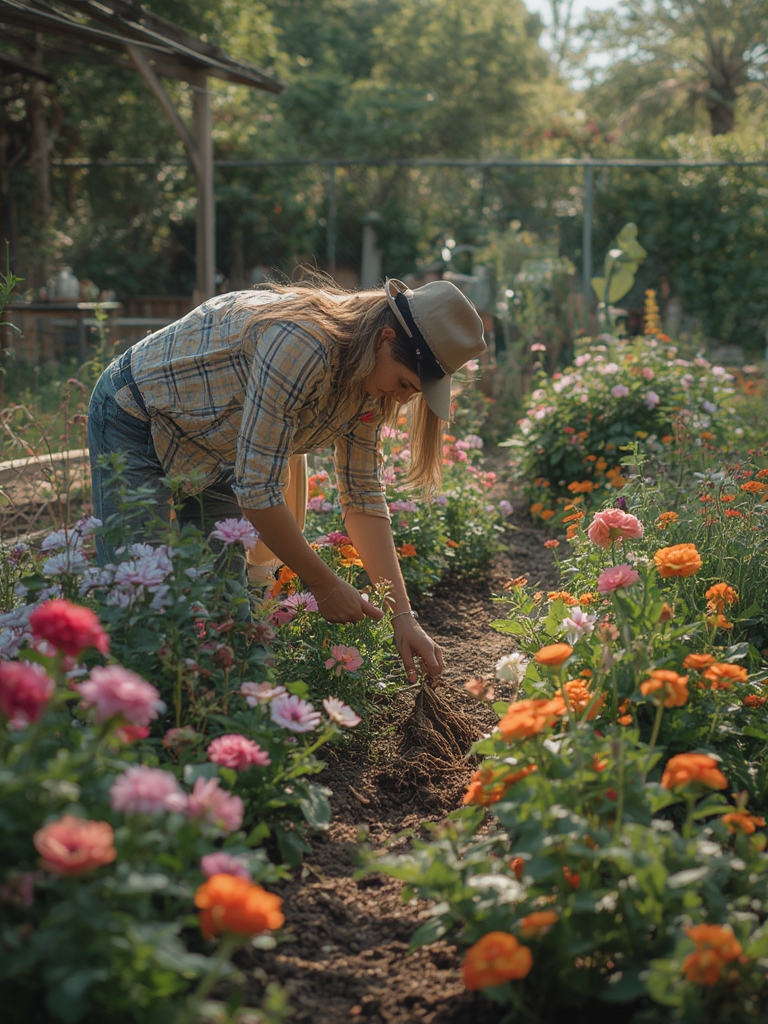
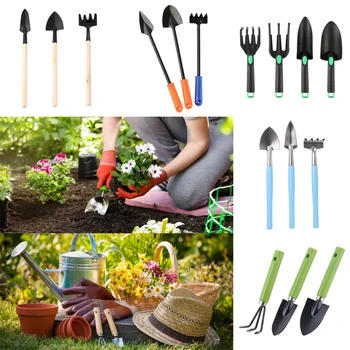
- Dig a hole twice the width of the root ball but no deeper.
- Loosen the sides and backfill with a mix of native soil and 5 % compost.
- Place the plant at the same depth it was in the nursery pot; backfill and firm gently.
- Water thoroughly (about 1 quart per plant) to settle soil around roots.
5. Watering Strategies Backed by Numbers
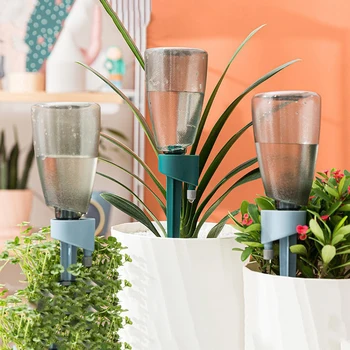
Most flowering plants need 1 inch of water per week, equivalent to about 0.62 gal per square foot. Use a rain gauge or a simple ruler placed in a shallow container to track precipitation. If rainfall is less than 0.5 inch, supplement with a drip‑irrigation system delivering 0.5 gal per hour per 10 ft of tubing. Water early in the morning to reduce evaporation and disease risk.
6. Feeding: Nutrient Management
Apply a balanced fertilizer with an NPK ratio of 10‑10‑10 or a bloom‑boosting formula (e.g., 5‑10‑10) at 1 lb per 100 sq ft every 6 weeks during the active growing season. For organic lovers, use well‑rotted compost or fish emulsion (1 tbsp per gallon of water) as a side‑dressing.
7. Integrated Pest Management (IPM)
Track pest pressure with weekly scouting logs. If you see < 5 % leaf damage, try cultural controls first:
- Remove weeds that harbor pests.
- Space plants according to label recommendations (usually 12–18 inches) to improve airflow.
- Apply a mulch layer of 2–3 inches to suppress soil‑borne insects.
When thresholds exceed 10 % damage, introduce beneficial insects (ladybugs, lacewings) or use a neem oil spray (2 ml per liter of water) applied in the early evening.
8. Seasonal Refresh: Updating Themes
Every 3–4 months, revisit your seasonal theme plan:
- Spring: Replace spent bulbs with fresh stock; add a splash of lilac or bluebell for contrast.
- Summer: Deadhead spent blooms weekly to encourage rebloom; introduce a heat‑tolerant lantana for continuous color.
- Fall: Mulch with shredded leaves to protect roots; plant sedum for late‑season interest.
- Winter: Prune back perennials after frost; add evergreen ornamental grasses for structure.
Document each change in a garden journal (digital or paper) with dates, plant varieties, and performance notes. Over time, this data will reveal which species truly thrive in your micro‑climates.
9. Ongoing Maintenance Checklist
| Task | Frequency | Key Metric |
|---|---|---|
| Soil moisture check | Weekly | 1 inch of water per week |
| Fertilizer application | Every 6 weeks | 1 lb/100 sq ft |
| Deadheading | Bi‑weekly | Bloom count maintained |
| Pest scouting | Weekly | Damage < 5 % |
| Mulch replenishment | Quarterly | 2–3 in depth |
10. Celebrate Your Success
When your garden reaches peak bloom, capture the moment with high‑resolution photos and share them on social media using hashtags like #SeasonalFlowerGarden and #DataDrivenGardening. Not only does this provide personal satisfaction, it also creates a visual record you can reference when planning next year’s garden.
By following these data‑informed steps and refreshing your garden with themes for every season, you’ll enjoy a continuously evolving tapestry of color, fragrance, and pollinator activity—all while keeping maintenance efficient and enjoyable.