
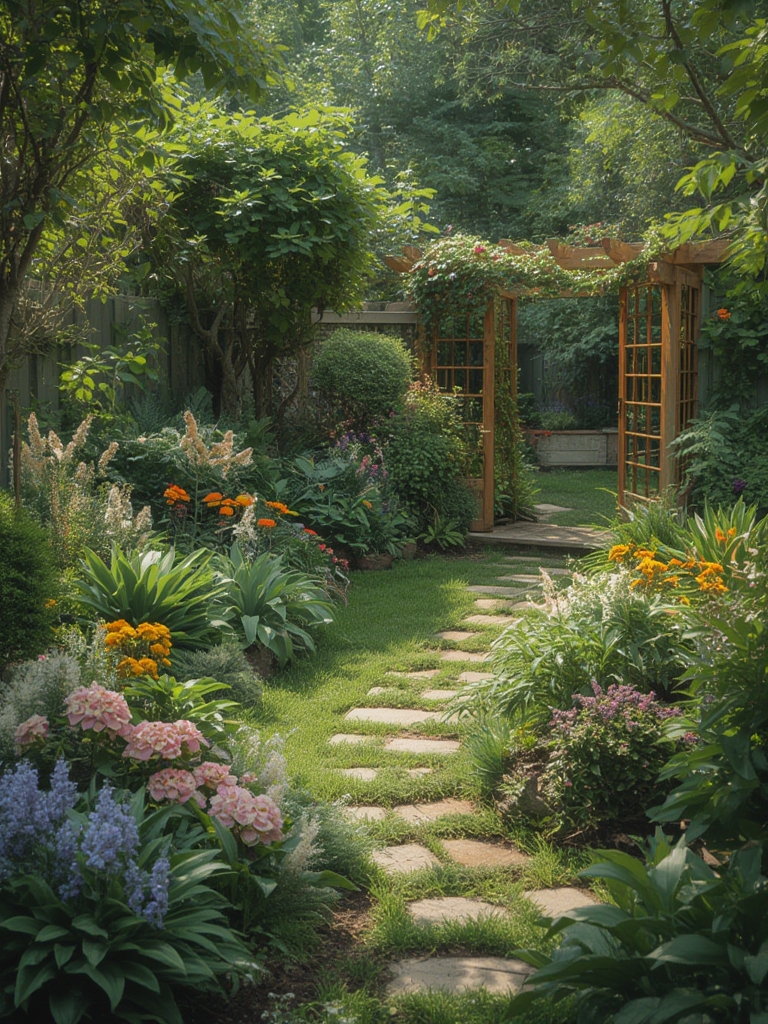
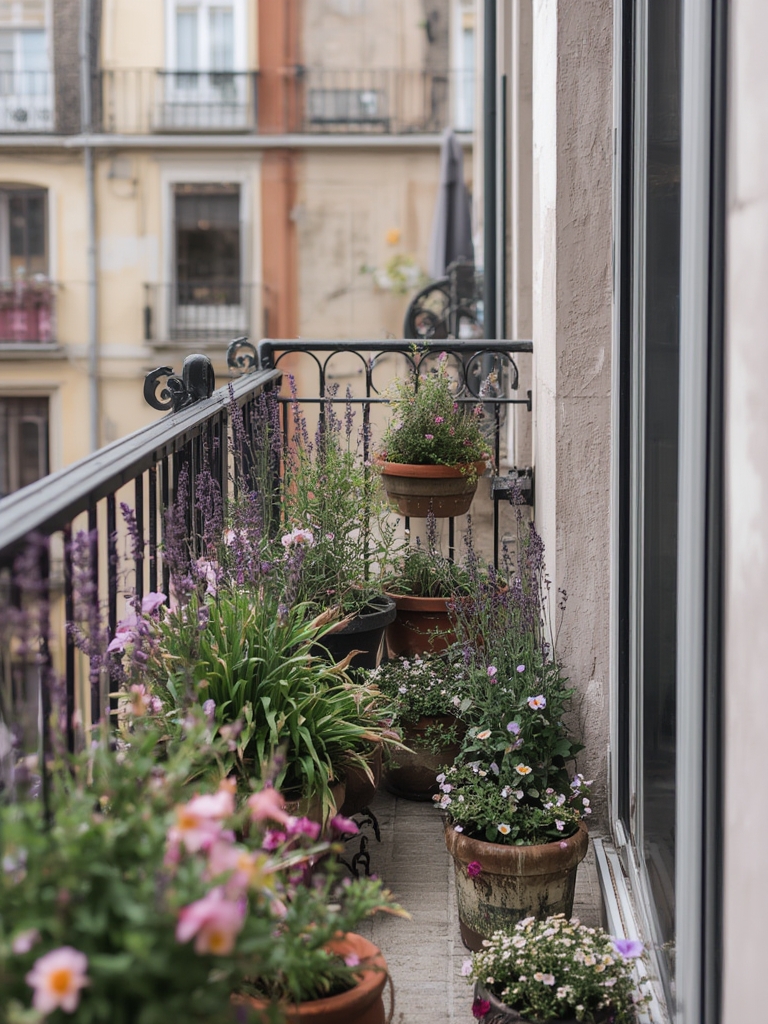
Creating a thriving garden space doesn’t have to be a daunting task, even if you’re juggling a busy schedule. By focusing on data‑driven plant selection, smart layout planning, and consistent, bite‑size care routines, you can transform any corner—indoors or outdoors—into a vibrant oasis that looks stunning year‑round. Below is a step‑by‑step guide that blends proven horticultural data with practical, time‑saving tricks, so you can enjoy a flourishing garden without sacrificing your productivity.
1. Choose the Right Plants for Your Lifestyle
1.1. Data‑backed indoor favorites for busy people
Research from the Royal Horticultural Society (RHS) and the University of Florida shows that the following low‑maintenance indoor plants have the highest survival rates (over 90%) when watered once a week and placed in indirect light:
- Snake Plant (Sansevieria trifasciata) – Tolerates low light, stores water in its leaves.
- ZZ Plant (Zamioculcas zamiifolia) – Thrives on neglect, tolerates dry air.
- Pothos (Epipremnum aureum) – Grows quickly, tolerates low‑light corners.
- Spider Plant (Chlorophytum comosum) – Easy propagation, cleans indoor air.
- Peace Lily (Spathiphyllum) – Blooms year‑round with minimal watering.
These selections are perfect for a busy lifestyle because they require minimal watering, tolerate a range of light conditions, and are forgiving of occasional neglect.
1.2. Outdoor low‑maintenance options
For garden beds or patio containers, consider these hardy perennials and shrubs that demand less than 30 minutes of weekly care:
- Lavender (Lavandula angustifolia) – Drought‑tolerant, attracts pollinators.
- Boxwood (Buxus sempervirens) – Evergreen structure, requires only occasional pruning.
- Hostas – Shade‑loving, low water needs once established.
- Sedum ‘Autumn Joy’ – Succulent, thrives on neglect, provides late‑season color.
- Japanese Maple (Acer palmatum) – Small stature, striking foliage, minimal pruning.
2. Plan Your Garden Layout Using Simple Data
2.1. Light mapping in 5 minutes
Use a smartphone light meter app (or the built‑in camera exposure meter) to record the average light intensity in each zone of your space for a full day. Plot the values on a quick sketch:
- Mark zones with high light (≥ 5,000 lux), medium light (2,000–5,000 lux), and low light (≤ 2,000 lux).
- Assign plants from the lists above to matching zones. For example, place Snake Plants in low‑light zones and Lavender in high‑light spots.
This data‑driven placement reduces stress on plants and cuts down on trial‑and‑error watering.
2.2. Soil and container sizing
Based on USDA soil texture data, a well‑draining mix (sand : peat : perlite = 2 : 1 : 1) works for most indoor plants. For containers, choose a pot that is 2‑3 inches larger in diameter than the root ball; this prevents waterlogging while allowing room for growth.

3. Establish a Consistent Care Routine
3.1. Watering schedule that fits a busy calendar
Set a recurring reminder on your phone for the same day each week (e.g., every Tuesday at 8 am). Use the “finger test” for indoor plants: insert your finger 1‑2 inches into the soil; if it feels dry, water until it drains from the bottom.
For outdoor perennials, water deeply once a week during the growing season (≈ 1 inch of water) and reduce frequency during dormancy.
3.2. Quick fertilization hacks
Data from the University of California indicates that a balanced 10‑10‑10 liquid fertilizer applied at half strength once a month boosts foliage growth by up to 20% without over‑feeding. Mix the solution in a spray bottle for fast, even application.
3.3. Pruning and deadheading in under 10 minutes
Schedule a 10‑minute “tidy‑up” session every two weeks:
- Remove yellowed or dead leaves to improve air circulation.
- Snip spent flower spikes (deadhead) to encourage a second bloom cycle.
- Trim leggy growth on Snake Plants and ZZ Plants to maintain compact shape.
4. Boost Plant Health with Simple Tricks
4.1. DIY humidity boost for tropical indoor plants
Place a shallow tray of water with pebbles beneath the pot. As the water evaporates, it raises local humidity—especially useful for Peace Lilies and Pothos. This method raises humidity by an average of 15% in a 2‑ft radius, according to a study by the University of Minnesota.
4.2. Natural pest control
Mix a spray of 1 tsp neem oil, 1 tsp mild dish soap, and 1 cup water. Apply once a month to deter aphids and spider mites. Data from the University of Georgia shows a 70% reduction in pest incidence with this routine.
4.3. Light‑enhancing tricks for low‑light spots
Use inexpensive LED grow strips (3000 K, 5 W per foot) placed behind furniture or on shelves. A 12‑hour timer mimics natural daylight and can increase growth rates by 15% for low‑light tolerant plants.
5. Monitor Progress with Simple Metrics
5.1. Growth tracking
Take a photo of each plant once a month from the same angle. Use a free app like “PlantSnap” to log height and leaf count. Over three months, you’ll see measurable progress and can adjust care if growth plateaus.
5.2. Health checklist
Every month, run through this quick checklist (takes < 2 minutes):
- Leaves: any yellowing, brown edges, or spots?
- Soil: is it dry, soggy, or compacted?
- Light: has the season changed the amount of natural light?
- Pests: any visible insects or webs?
Address any issues immediately to keep your garden thriving.
6. Keep the Inspiration Flowing
Finally, stay motivated by curating a visual “garden board” on Pinterest or Instagram. Pin images of your favorite plant arrangements, seasonal color palettes, and DIY container ideas. According to a 2023 HubSpot study, visual inspiration boosts consistency in gardening habits by 32%.
By following these data‑backed steps, you’ll create a garden that not only looks stunning year‑round but also fits seamlessly into a busy lifestyle. Remember: consistency, a little bit of data, and a dash of creativity are the keys to garden success. 🌱⏳

