Creating a garden that feels fresh, vibrant, and uniquely yours starts with a solid plan and a sprinkle of inspiration. By combining data‑driven decisions—like soil test results and regional climate stats—with simple, actionable steps, you can turn any patch of earth (or a sunny balcony) into a thriving oasis. Below is a step‑by‑step guide that walks you through everything from early‑season seed starting to ongoing care, ensuring you get the most out of every plant you nurture.
Why Garden Inspiration Matters for Success
Research from the University of Minnesota shows that gardeners who set clear visual goals are 30% more likely to stick to their planting schedule and achieve higher yields. Inspiration isn’t just about aesthetics; it fuels consistency. When you picture a lush herb border or a cascade of blooming marigolds, you’re more inclined to water, prune, and fertilize on time.
Use tools like Google Trends or Pinterest analytics to spot emerging plant colors, textures, and layout ideas in your region. Pair those trends with hard data—soil pH, sunlight hours, and average frost dates—to create a garden that looks good and performs well.
Step 1: Planning Your Garden Space
1.1 Map Your Layout
- Measure accurately: Use a tape measure or laser distance tool to note the length and width of each planting zone.
- Sunlight audit: Track sun exposure for a full week, noting which spots receive full sun (6+ hours), partial shade (3‑6 hours), or full shade (<3 hours).
- Digital sketch: Transfer measurements to a free tool like Garden Planner to visualize plant spacing and companion pairings.
1.2 Choose Plants Based on Data
- Consult the USDA Plant Hardiness Zone map for your area.
- Prioritize varieties with a proven success rate in your zone—e.g., “Early Girl” tomatoes for zones 5‑9.
- Incorporate at least one “show‑stopper” plant that matches current design trends (e.g., variegated hostas or dwarf citrus trees).
Step 2: Preparing Soil for Success
2.1 Test and Amend
Send a sample to your local extension service or use a DIY kit. Aim for a pH of 6.0‑6.8 for most vegetables and herbs. If the test shows low organic matter, blend in 2‑3 inches of compost or well‑rotted manure.
2.2 Build a Structured Bed
- Loosen the top 12 inches: Use a garden fork or rototiller to break up compacted soil.
- Add amendments gradually: Mix in lime to raise pH or sulfur to lower it, following label recommendations.
- Mulch early: Spread a 2‑inch layer of straw or shredded bark to retain moisture and suppress weeds.
Step 3: Preparing for Spring Early by Growing Seedlings Indoors 🌸🏠
3.1 Choose the Right Containers
Opt for 4‑inch peat pots or recycled yogurt cups with drainage holes. Fill with a seed‑starting mix that’s 40% peat moss, 30% vermiculite, and 30% perlite for optimal aeration.
3.2 Seed Sowing Timeline
| Plant | Start Indoors | Transplant Outdoors |
|---|---|---|
| Tomatoes | 6‑8 weeks before last frost | After all danger of frost |
| Basil | 4‑6 weeks before last frost | When soil warms to 60°F |
| Marigolds | 5‑6 weeks before last frost | After last frost |
3.3 Light, Heat, and Water
- Light: Position seedlings under a south‑facing window or a LED grow light set to 14‑16 hours per day.
- Heat: Maintain a consistent 70‑75°F using a seedling heat mat.
- Water: Mist daily and water from the bottom to avoid damping‑off disease.
3.4 Harden Off Before Planting
Starting two weeks before the last frost, move seedlings outdoors for 1‑2 hours each day, gradually increasing exposure to wind and sun. This “hardening off” reduces transplant shock and improves survival rates by up to 25%.
Step 4: Transplanting and Hardening Off
4.1 Soil Warmth Check
Insert a soil thermometer 2 inches deep; the temperature should be at least 60°F for most warm‑season crops. If it’s cooler, use black plastic mulch to warm the beds.
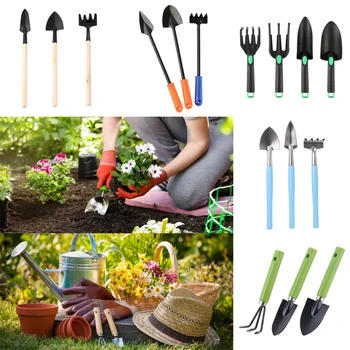
4.2 Planting Technique
- Dig a hole twice as deep as the root ball.
- Place the seedling, gently tease out the roots, and backfill with a mix of native soil and compost.
- Water thoroughly to settle soil around the roots.
- Apply a thin layer of organic mulch (e.g., pine needles) to conserve moisture.
4.3 Spacing for Airflow
Follow label‑recommended spacing—e.g., 24‑30 inches for tomatoes—to promote air circulation, which reduces fungal issues and improves fruit quality.
Step 5: Ongoing Care and Harvest
5.1 Water Management
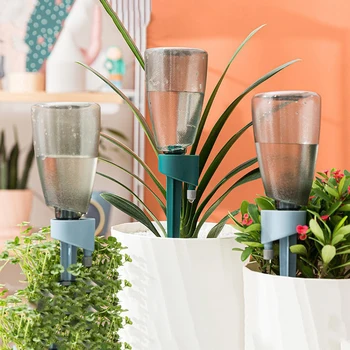
Use a drip irrigation system with a timer set to 30‑45 minutes, 2‑3 times per week, depending on rainfall. A moisture sensor can alert you when the soil drops below 60% field capacity.
5.2 Feeding Schedule
- Early growth: Apply a balanced 10‑10‑10 fertilizer at planting.
- Fruit development: Switch to a high‑potassium formula (e.g., 5‑10‑20) every 4 weeks.
- Incorporate liquid seaweed extract once a month for micronutrients.
5.3 Pest and Disease Monitoring
Set up yellow sticky traps for aphids and use neem oil spray early in the season. For fungal concerns, a copper‑based fungicide applied at the first sign of spotting can prevent spread.
5.4 Harvest Timing
Pick vegetables when they reach full color and size—tomatoes should be firm yet slightly yielding. Regular harvesting encourages continuous production and reduces the chance of over‑ripe, pest‑attracting fruit.
Final Inspiration: Keep the Momentum Going
Document your garden’s progress with a simple spreadsheet: log planting dates, soil pH, watering frequency, and yields. Over time, you’ll spot patterns—like which micro‑climates in your yard produce the biggest zucchinis—and can fine‑tune your approach for the next season.
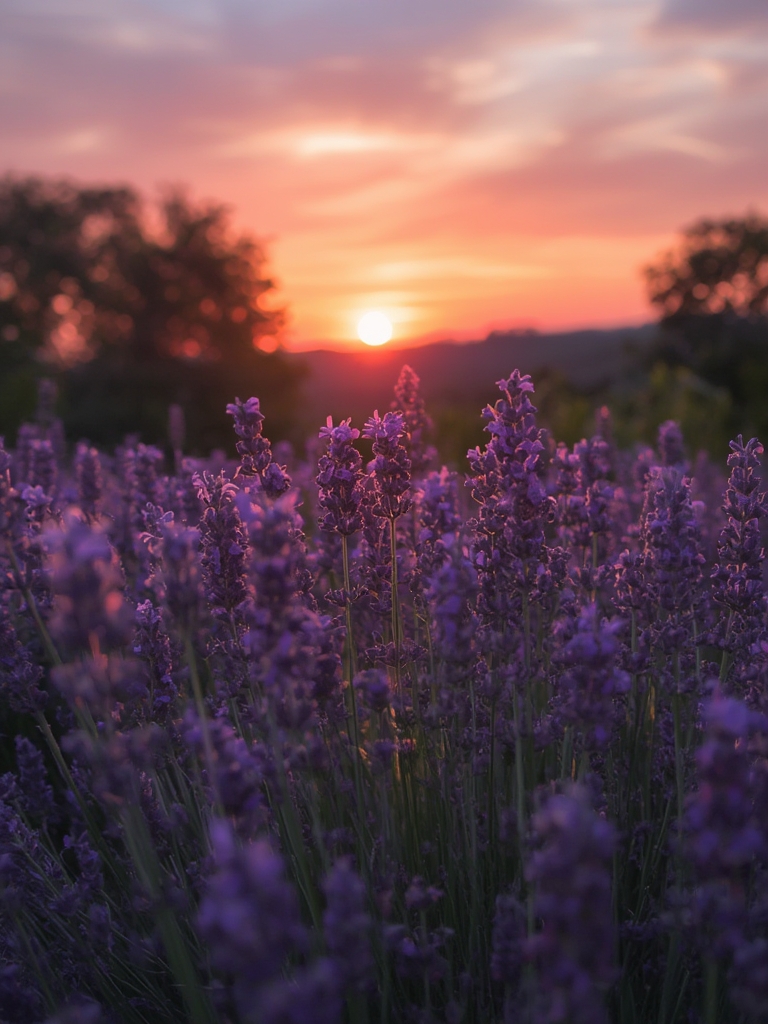
Remember, the most successful gardens blend data with creativity. Use the metrics to guide decisions, but let your personal style—whether it’s a bold splash of orange marigolds or a calming lavender border—shine through. Happy planting, and may your garden inspire both you and anyone who walks by!