
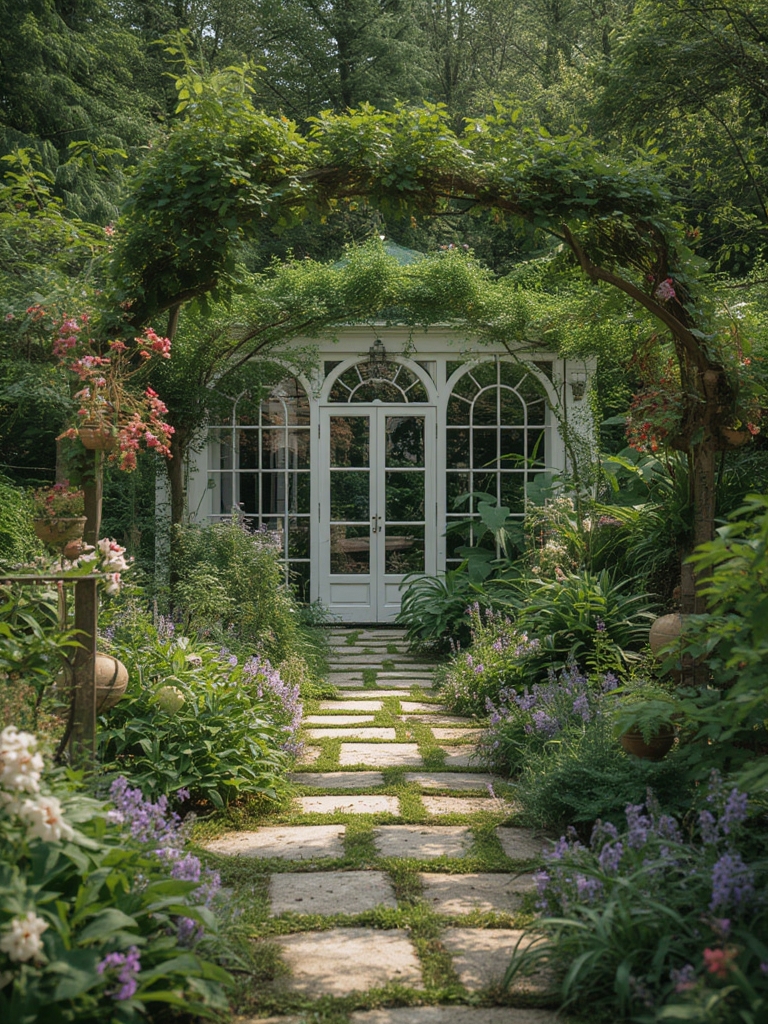
Creating a garden that feels both personal and inspiring doesn’t have to be a daunting task. By combining data‑driven planting strategies with creative landscaping ideas, you can transform any backyard into a thriving oasis that attracts pollinators, boosts curb appeal, and provides a peaceful retreat. Below you’ll find a step‑by‑step guide to growing a versatile, low‑maintenance plant—lavender (Lavandula angustifolia)—along with practical tips for soil preparation, watering, pruning, and design integration. Lavender is an excellent choice for garden inspiration because it thrives in a variety of climates, offers fragrant blooms, and pairs beautifully with other ornamental plants.
Step 1: Choose the Right Location and Soil
Assess Sunlight and Airflow
- Lavender requires at least 6–8 hours of direct sunlight daily. Use a sunlight calculator or a simple observation chart to track sun exposure in different parts of your yard.
- Good airflow prevents fungal diseases. Plant on a raised mound or slope if possible to improve drainage and air movement.
Soil Testing and Amendments
- Perform a soil pH test; lavender prefers a pH of 6.5–7.5. If the soil is too acidic, add lime; if too alkaline, incorporate a small amount of composted pine needles.
- Mix in 1 part coarse sand and 1 part organic compost per cubic foot of native soil to improve drainage and nutrient content.
- For data‑driven precision, use a handheld EC meter to ensure the electrical conductivity stays below 2 mS/cm, indicating low salinity.
Step 2: Planting Lavender Correctly
Timing and Spacing
- Plant in early spring after the last frost or in early fall in milder climates. This gives roots time to establish before extreme temperatures.
- Space plants 12–18 inches apart to allow airflow and room for mature growth.
Planting Technique
- Dig a hole twice the width of the root ball but no deeper than the container’s rim.
- Place the plant at the same depth it was in the pot, backfill with the amended soil, and gently firm.
- Water thoroughly to settle soil around the roots, then let the surface dry out before the next watering.
Step 3: Watering and Fertilizing
Establishing a Water Schedule
- During the first 2–3 weeks, water once a week with 1–2 inches of water, ensuring the soil stays moist but not soggy.
- After establishment, reduce watering to every 2–3 weeks during dry periods; lavender is drought‑tolerant and prefers slightly dry soil.
Fertilizer Recommendations
- Apply a low‑nitrogen, high‑phosphorus fertilizer (e.g., 5‑10‑5) in early spring and again after the first bloom cycle.
- Over‑fertilizing can lead to weak stems and reduced fragrance; stick to ½ cup per 10 sq ft as a guideline.
Step 4: Pruning for Health and Aesthetic Appeal
When and How to Prune
- Prune in late summer after the final bloom, cutting back about one‑third of the plant’s height.
- Use clean, sharp pruning shears to make cuts just above a leaf node, preserving the plant’s natural shape.
Seasonal Maintenance
- In early spring, remove any dead or woody stems that didn’t survive the winter.
- Lightly shape the plant to encourage a compact, bushy form, which improves air circulation and reduces disease risk.
Innovative Landscaping Ideas to Elevate Your Garden Oasis
Integrate Lavender with Complementary Plants
- Pair lavender with sage, rosemary, and thyme for a Mediterranean herb garden that shares similar soil and water needs.
- Combine with silver‑leafed ornamental grasses (e.g., Pennisetum alopecuroides) to create texture contrast and a dynamic visual flow.
Create Functional Garden Zones
- Relaxation nook: Position a low‑lying lavender border around a small patio or fire pit. The scent intensifies with heat, enhancing the sensory experience.
- Pollinator pathway: Plant lavender in a winding pathway alongside native wildflowers like coneflower and bee balm to attract bees, butterflies, and hummingbirds.
Use Hardscape Elements for Visual Interest
- Install raised gravel beds with a mix of pea gravel and river stones; the reflective surface highlights lavender’s purple hues.
- Incorporate a drip irrigation system concealed beneath mulch to deliver precise water amounts, conserving resources and maintaining consistent moisture levels.
Seasonal Enhancements
- During summer, add fairy lights or solar lanterns among the lavender rows for an enchanting evening ambiance.
- In fall, scatter seed heads of ornamental grasses and a few decorative pumpkins to transition the garden’s palette while maintaining a cohesive look.
Actionable Checklist for Ongoing Success
- ✔️ Test soil pH and amend as needed before planting.
- ✔️ Ensure 6–8 hours of daily sunlight for optimal growth.
- ✔️ Water weekly for the first 3 weeks, then taper to bi‑weekly.
- ✔️ Apply low‑nitrogen fertilizer twice a year.
- ✔️ Prune after the final bloom, removing one‑third of growth.
- ✔️ Rotate companion plants every 2–3 years to prevent soil depletion.
- ✔️ Review irrigation system quarterly for clogs or leaks.
By following these data‑backed steps and incorporating creative design elements, you’ll not only cultivate a thriving lavender patch but also lay the foundation for a garden that inspires, relaxes, and delights year after year. Remember, the key to a successful backyard oasis is consistency, observation, and a willingness to experiment with new landscaping concepts. Happy gardening!

