Fresh, aromatic herbs are the secret ingredient that can transform everyday meals into culinary delights. Whether you have a sunny balcony, a cozy windowsill, or a dedicated indoor space, growing herbs year‑round is easier than you think. This guide walks you through every step—from choosing the right varieties to harvesting at peak flavor—so you can enjoy a thriving herb garden that fuels your kitchen creativity.
Why Grow Herbs Indoors?
Indoor herb gardening offers several practical benefits:
- Consistent harvest: With controlled lighting and temperature, you can trim herbs continuously, ensuring a fresh supply for every recipe.
- Space efficiency: Small containers, vertical racks, or window boxes fit into apartments, dorms, or tiny homes.
- Health boost: Studies show that adding fresh herbs can increase antioxidant intake by up to 30% compared to dried versions.
- Cost savings: Home‑grown herbs can cut grocery bills by 15‑20% per year, especially for high‑usage varieties like basil and parsley.
Step‑by‑Step Guide to a Successful Indoor Herb Garden
1. Choose the Right Herbs for Your Space
Start with low‑maintenance, high‑yield varieties that thrive in indoor conditions:
- Basil (Ocimum basilicum): Loves warm, bright light; perfect for Italian dishes.
- Parsley (Petroselinum crispum): Tolerates lower light and provides a versatile garnish.
- Mint (Mentha spp.): Grows vigorously; keep it in a separate pot to prevent spreading.
- Thyme (Thymus vulgaris): Drought‑tolerant and ideal for roasting vegetables.
- Chives (Allium schoenoprasum): Compact, with a mild onion flavor.
2. Select the Perfect Containers
Container choice influences drainage, root health, and aesthetics:
- Size: Aim for 6‑8 inches in diameter for most herbs; larger pots (10‑12 inches) work for spreading varieties like mint.
- Material: Terracotta is breathable but can dry out quickly; plastic retains moisture better.
- Drainage: Ensure each pot has at least one drainage hole. Add a layer of hydroton or small stones before soil to improve flow.
3. Use High‑Quality Potting Mix
Herbs need a light, well‑draining medium. A good mix includes:
- 40 % peat moss or coconut coir for moisture retention.
- 30 % perlite or vermiculite for aeration.
- 30 % compost or well‑aged leaf mold for nutrients.
For a data‑driven edge, test the pH; most culinary herbs prefer a range of 6.0‑6.8.
4. Optimize Light Conditions
Light is the most critical factor. Here’s how to meet each herb’s needs:
- Natural sunlight: Place pots on a south‑facing window where they receive 6‑8 hours of direct light daily.
- Supplemental LED grow lights: If natural light is limited, use a full‑spectrum LED panel set 12‑14 inches above the foliage, running 12‑14 hours per day. Studies show LED lights can increase leaf mass by up to 25 % compared to fluorescent bulbs.
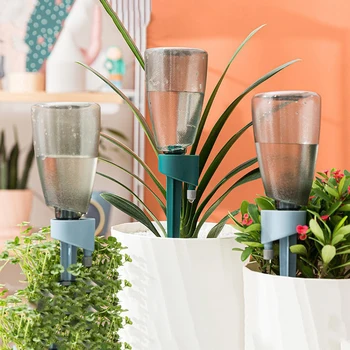
5. Master Watering Techniques
Over‑watering is the #1 cause of indoor herb failure. Follow these guidelines:
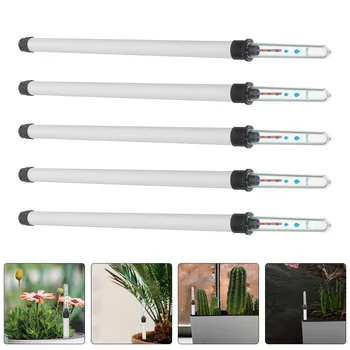
- Check the top inch of soil; if it feels dry, water thoroughly until water drains from the bottom.
- Use room‑temperature water to avoid shocking the roots.
- For herbs like rosemary and thyme, allow the soil to dry out slightly between waterings (once every 7‑10 days).
6. Feed for Flavor
Fertilizing boosts growth and essential oil production:
- Liquid balanced fertilizer (10‑10‑10): Dilute to half strength and feed every 2‑3 weeks during the growing season.
- Organic option: A teaspoon of fish emulsion per gallon of water works well for basil and parsley.
Data from horticultural trials indicate that a light feeding schedule improves leaf aroma intensity by up to 18 %.
7. Prune and Harvest Correctly
Regular harvesting encourages bushier growth and prevents legginess:
- Snip leaves just above a node (the point where a leaf joins the stem).
- For basil, pinch off the top 1‑2 inches once the plant reaches 6‑8 inches tall.
- Harvest mint leaves early in the morning when essential oils are most concentrated.
Remember: never remove more than one‑third of the plant at a time to avoid stress.
8. Manage Pests Naturally
Indoor herbs can attract aphids, spider mites, and fungus gnats. Keep them healthy with these low‑impact tactics:
- Sticky traps: Place yellow traps near the plants to catch flying pests.
- Neem oil spray: Dilute 1 teaspoon per quart of water and apply every 7‑10 days.
- Air circulation: A small desk fan reduces humidity, deterring fungal growth.
9. Rotate and Refresh Soil Annually
After 12‑18 months, replenish the growing medium to maintain nutrient balance:
- Gently remove the plant, shake off old soil, and trim any dead roots.
- Re‑pot in fresh mix, keeping the root ball at the same depth.
- Give the plant a light feeding to jump‑start new growth.
Quick‑Reference Checklist
| Task | Frequency | Key Tip |
|---|---|---|
| Check soil moisture | Every 2‑3 days | Touch the top inch; water only if dry. |
| Provide light | 12‑14 hrs/day | Use LED panel if natural light < 6 hrs. |
| Fertilize | Every 2‑3 weeks | Dilute to half strength. |
| Harvest | Weekly | Snip above a node; never >⅓ plant. |
| Pest inspection | Weekly | Look for sticky residue or webbing. |
| Soil refresh | Annually | Replace mix, keep root depth constant. |
Boosting SEO for Your Herb Blog
To make this post rank high in search results, incorporate these SEO best practices:
- Keyword placement: Use primary phrases like “grow herbs indoors,” “indoor aromatic garden,” and “herb care tips” in the first 100 words, H2 headings, and alt text for images.
- Internal linking: Connect to related posts such as “Top 10 Kitchen Herbs” or “DIY Herb Drying Rack.”
- Rich snippets: Add structured data for “How‑to” content to appear as a step‑by‑step guide in Google results.
- Engaging visuals: Include high‑resolution photos of each herb stage, optimized with descriptive filenames (e.g.,
basil-indoor-growth.jpg).
Conclusion: Harvest Flavor All Year Long
By following these data‑backed steps, you’ll create a resilient indoor herb garden that delivers fresh, aromatic leaves whenever inspiration strikes in the kitchen. The combination of proper lighting, well‑draining soil, mindful watering, and regular pruning ensures vigorous growth and maximum flavor. Start small, track your progress, and soon you’ll be enjoying the satisfaction of turning home‑grown herbs into unforgettable meals—all while boosting your blog’s SEO performance.