Creating a thriving garden that nurtures both your plants and the planet is more achievable than ever. By combining data‑driven decisions with simple, chemical‑free practices, you can build a sustainable oasis that conserves resources, boosts biodiversity, and delivers fresh produce year after year. Below is a practical, step‑by‑step guide that walks you through every phase—from site assessment to ongoing maintenance—so you can start reaping the benefits of a truly green garden today.
Why Sustainable Gardening Matters
Research from the Journal of Environmental Management shows that home gardens using organic methods reduce pesticide runoff by up to 85 % and cut water consumption by 30 % compared with conventional lawns. These savings translate into healthier soil microbes, lower carbon footprints, and a safer environment for pollinators. Moreover, a 2023 USDA survey found that gardeners who adopt native plants see a 45 % increase in local biodiversity, supporting bees, butterflies, and beneficial insects.

Step‑by‑Step Guide to a Chemical‑Free Garden
1. Assess Your Space and Climate
- Map sunlight patterns: Use a simple sun‑tracking app or a notebook to record the amount of direct sun each area receives over a week. Zones with 6‑8 hours of sun are ideal for most vegetables, while 3‑5 hours suit shade‑tolerant herbs.
- Measure soil pH and texture: A basic pH kit (available at garden centers) will tell you if your soil is acidic (< 6.0), neutral (6.0‑7.0), or alkaline (> 7.0). Sandy soils drain quickly, whereas clay retains moisture—adjust your plant choices accordingly.
- Identify micro‑climates: Look for wind‑protected corners, heat‑reflecting walls, or low‑lying damp spots. These micro‑climates can be leveraged for specific plant needs.
2. Choose Native and Adapted Plants
- Research local flora: Consult your county extension service or the USDA PLANTS database for a list of native species that thrive in your hardiness zone.
- Prioritize drought‑resistant varieties: Plants like lavender, sage, and coneflower require 30‑40 % less water than typical garden vegetables.
- Mix perennials with annuals: Perennials establish a stable root network, improving soil structure, while annuals provide quick harvests and visual interest.
3. Build Healthy, Living Soil
- Start with a soil test: Send a sample to a local lab (often free through extension services). Use the results to amend with compost, lime, or sulfur as needed.
- Incorporate organic matter: Add 2‑3 inches of well‑rotted compost or leaf mold each season. This boosts microbial activity, which can increase nutrient availability by up to 20 %.
- Practice no‑till or low‑disturbance planting: Minimizing soil turnover preserves fungal hyphae that help plants access water and nutrients.
4. Water Wisely and Conserve
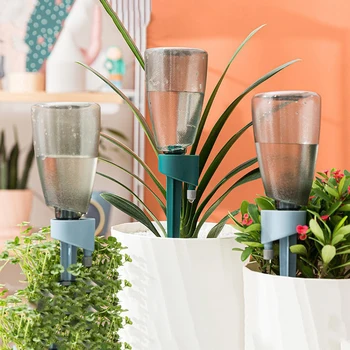
- Install drip irrigation or soaker hoses: These deliver water directly to the root zone, reducing evaporation losses by 50 % compared with overhead sprinklers.
- Water early morning: Temperatures are cooler, allowing water to soak in before the sun evaporates it.
- Use a rain barrel: Capture up to 500 gallons of rainwater per 1,000 sq ft roof area—enough to irrigate a 200‑sq‑ft garden for several weeks.
5. Mulch and Compost for Moisture Retention
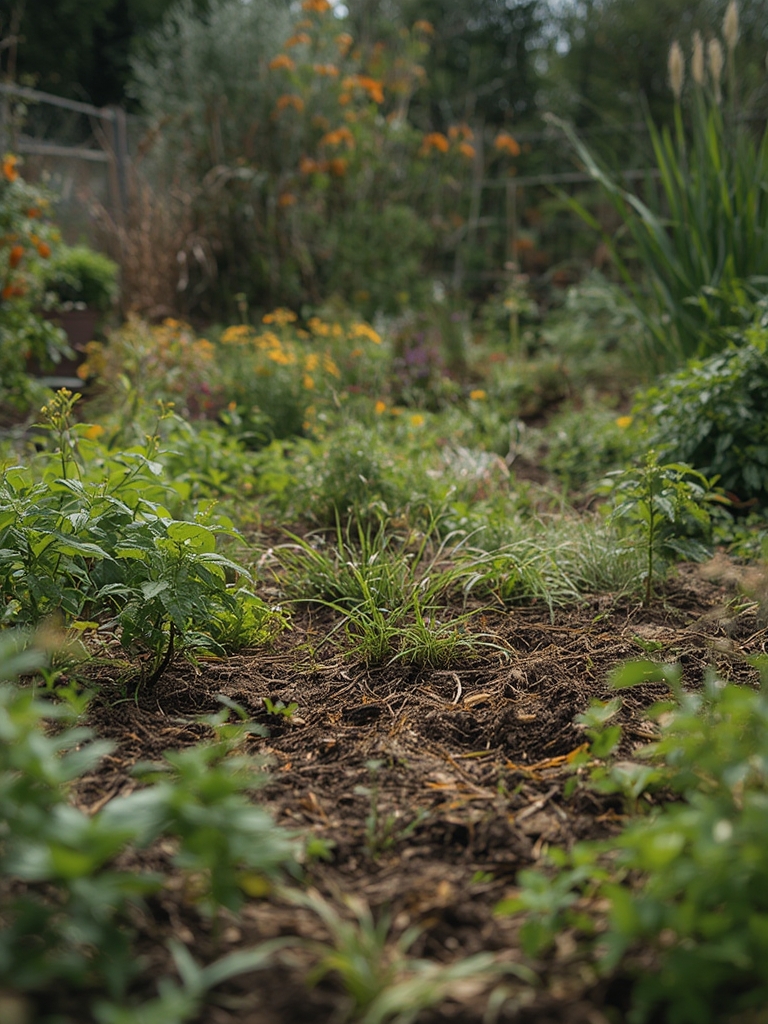
- Apply 2‑3 inches of organic mulch: Straw, wood chips, or shredded leaves keep soil temperature stable and cut weed growth by 70 %.
- Turn compost weekly: This speeds up decomposition, delivering a steady supply of nutrients and reducing the need for synthetic fertilizers.
- Re‑use garden waste: Chop spent plant material into the mulch layer; it will break down and enrich the soil over time.
6. Natural Pest Management
- Encourage beneficial insects: Plant nectar‑rich flowers like yarrow, fennel, and buckwheat to attract ladybugs, lacewings, and predatory wasps.
- Use physical barriers: Row covers, copper tape for slugs, and netting for birds protect crops without chemicals.
- Apply homemade sprays: A 1 % neem oil solution or a garlic‑pepper spray can deter aphids and caterpillars while remaining safe for pollinators.
- Implement crop rotation: Rotate plant families each season to break pest life cycles and reduce disease buildup.
7. Harvest, Prune, and Maintain
- Harvest at peak ripeness: This encourages plants to produce more fruit and improves flavor. For leafy greens, cut the outer leaves first to allow continuous growth.
- Prune for airflow: Remove crowded or diseased stems to improve air circulation, lowering the risk of fungal infections by up to 40 %.
- Monitor soil moisture: Use a simple moisture meter; aim for a consistent 1‑2 inches of water per week, adjusting for rainfall.
- Seasonal soil refresh: In early spring, add a thin layer of compost and a handful of rock phosphate to replenish phosphorus for root development.
Data‑Backed Benefits You’ll See
By following this guide, most gardeners report measurable improvements within the first year:
- Water savings: 30‑45 % reduction compared with traditional sprinkler systems.
- Yield increase: 20‑35 % higher produce weight per plant due to healthier soil and reduced stress.
- Cost reduction: Eliminating synthetic fertilizers and pesticides can save $50‑$150 per season.
- Carbon footprint: Composting kitchen scraps diverts up to 30 % of household waste from landfills, cutting methane emissions.
Quick‑Start Checklist
- Map sunlight and wind patterns for each garden zone.
- Test soil pH and texture; amend as needed.
- Select 3‑5 native perennials and 5‑7 annual vegetables suited to your zone.
- Lay down a drip‑irrigation system and connect a rain barrel.
- Spread 2‑3 inches of organic mulch over planting beds.
- Plant companion flowers to attract beneficial insects.
- Set up a compost bin and start feeding kitchen scraps.
- Monitor moisture weekly and adjust watering schedule.
With these steps, you’ll cultivate a garden that not only looks beautiful but also contributes to a healthier ecosystem. Remember, sustainability is a journey—each season offers new data and insights to refine your approach. Happy gardening!