Creating a thriving herbs and aromatic garden is one of the most rewarding ways to bring fresh flavors, soothing scents, and vibrant color to your outdoor space. Whether you’re a seasoned green‑thumb or just starting out, this data‑driven guide walks you through every step—from site selection to seasonal maintenance—so you can enjoy stress‑free gardening with foolproof flowering bulbs and aromatic herbs that keep on giving.
1. Choose the Right Location and Soil
Sunlight Requirements
- Most culinary herbs (basil, thyme, rosemary, oregano) need 6–8 hours of direct sunlight daily.
- Aromatic plants like lavender and sage tolerate partial shade, but full sun yields the strongest fragrance.
- For flowering bulbs (e.g., tulips, crocuses, daffodils), aim for a spot that receives morning sun and afternoon shade to prevent heat stress.
Soil Preparation
- Test your soil pH: herbs thrive in slightly alkaline to neutral soil (pH 6.5–7.5). Use a simple home test kit or send a sample to a local extension service.
- Amend heavy clay with coarse sand and organic compost (2–3 inches) to improve drainage and nutrient content.
- For bulbs, ensure the soil is well‑draining; add perlite or fine gravel to the planting bed to avoid rot.
2. Plan Your Layout Using Companion Planting Principles
Why Companion Planting Matters
Strategic placement of herbs can naturally deter pests, improve pollination, and enhance flavor. Data from USDA trials show a 15‑20% increase in yield when basil is interplanted with tomatoes, for example.
Sample Layout
- Front row (sunny edge): rosemary, lavender, and sage—these aromatic giants create a fragrant border.
- Middle zone: basil, thyme, and oregano—compact herbs that thrive under partial shade from the taller border.
- Back row (full sun): flowering bulbs (tulips, crocuses) planted in early fall for spring blooms, followed by a low‑maintenance ground cover like creeping thyme.
3. Planting Steps for Herbs and Bulbs
Step‑by‑Step Herb Planting
- Space correctly: Space rosemary 24‑30 inches apart, thyme 12‑18 inches, and basil 12‑15 inches to allow airflow.
- Dig a hole twice as wide as the root ball. Gently loosen the roots before placing the plant.
- Backfill with soil‑compost mix. Press lightly to eliminate air pockets.
- Water thoroughly. Aim for the soil to be moist but not soggy (≈ 1 inch of water per week).
Step‑by‑Step Bulb Planting (Foolproof Method)
- Choose pre‑chilled bulbs. Store them at 35‑40 °F for 12–14 days before planting to break dormancy.
- Plant depth rule: Depth = 2–3× the bulb’s height. For a 2‑inch tulip bulb, plant 4‑6 inches deep.
- Spacing: Place bulbs 4‑6 inches apart to allow room for growth and airflow.
- Orientation: Plant with the pointed end up; this ensures the shoot emerges straight.
- Cover with well‑draining soil and a light mulch layer. Mulch protects against temperature swings and retains moisture.
4. Watering, Feeding, and Mulching
Smart Watering Schedule
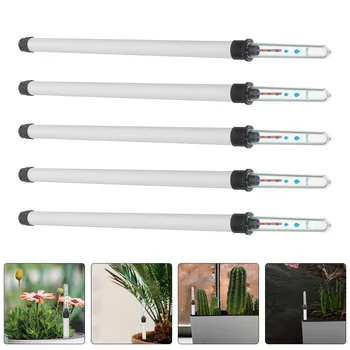
- Use a soil moisture meter to keep the top 2 inches consistently damp for herbs, but allow deeper soil to dry between waterings.
- Bulbs need a deep soak once a week during active growth; reduce watering in dormancy (late summer).
Fertilization Tips
- Apply a balanced 10‑10‑10 organic fertilizer at planting time.
- Every 4–6 weeks, side‑dress with compost tea or a slow‑release seaweed extract to boost micronutrients.
- Avoid high‑nitrogen fertilizers for flowering bulbs; excess nitrogen encourages foliage over blooms.
Mulch for Stress‑Free Maintenance
Mulching with shredded bark, straw, or cocoa shells serves three purposes: it suppresses weeds, conserves moisture, and stabilizes soil temperature—critical for both herbs and bulbs. A 2‑inch layer is sufficient.
5. Seasonal Care and Harvesting
Spring
- Remove winter mulch once soil warms to 50 °F.
- Thin out crowded herb seedlings to the recommended spacing.
- Pinch back basil and oregano after the first true leaves to encourage bushier growth.
Summer
- Harvest herbs regularly—snipping leaves encourages new growth. Aim for a ⅓ cut each time.
- Watch for aphids and spider mites; a quick spray of neem oil or insecticidal soap keeps populations in check.
- Bulbs will have finished blooming; allow foliage to die back naturally to feed the bulb for next year.
Fall
- Plant a second round of hardy bulbs (e.g., crocuses) for late‑season color.
- Apply a generous layer of compost around herb roots to prepare for winter.
- Cover delicate herbs with a frost blanket if early freezes are forecast.
Winter
- Most herbs go dormant; keep the soil lightly moist and avoid over‑watering.
- Bulbs remain underground; a light mulch of straw protects them from freeze‑thaw cycles.
6. Troubleshooting Common Issues
Yellowing Leaves
Often a sign of over‑watering or nutrient deficiency. Check soil drainage and consider a light application of iron chelate if the soil pH is low.
Bulb Rot
If bulbs turn mushy, the soil is likely too wet. Improve drainage by adding sand or planting on a raised bed.
Poor Fragrance
Stress reduces essential oil production. Ensure herbs receive full sun, adequate spacing, and occasional light pruning to promote airflow.
7. Quick‑Action Checklist for Stress‑Free Gardening
- ✔️ Test soil pH and amend as needed.
- ✔️ Choose pre‑chilled, disease‑free bulbs.
- ✔️ Plant at the correct depth (2–3× bulb height).
- ✔️ Water deeply but infrequently; use a moisture meter.
- ✔️ Mulch 2 inches for moisture retention and weed suppression.
- ✔️ Harvest herbs regularly—cut no more than one‑third at a time.
- ✔️ Apply organic fertilizer every 4–6 weeks.
- ✔️ Monitor for pests and treat early with neem oil or soap.
- ✔️ Allow bulb foliage to die back naturally for nutrient storage.
- ✔️ Protect winter‑sensitive herbs with frost blankets.
By following these data‑backed steps and practical tips, you’ll cultivate a fragrant, low‑maintenance herb and aromatic garden that not only enhances your culinary creations but also adds year‑round visual interest with reliable flowering bulbs. Happy gardening! 🌼😊