Indoor plants are more than just décor; they boost air quality, lower stress, and can even increase productivity by up to 15% according to a 2022 Harvard Business Review study. Yet many beginners struggle with watering schedules, soil health, and lighting. This guide breaks down the science‑backed steps you need to grow thriving indoor greenery, with actionable tips you can implement today. By focusing on natural soil improvement, proper light management, and evidence‑based watering, you’ll create a resilient environment that supports stronger, healthier plants.
Step 1: Choose the Right Plant for Your Space
Assess Light Levels
Use a simple light meter app or the “hand test”: hold your hand a foot from the window—if you can read a book comfortably, the area receives bright indirect light; a faint glow indicates low light. According to a 2021 Plant Science Journal survey, 68% of indoor plant failures are due to mismatched light conditions.
- Bright indirect: Snake plant, pothos, ZZ plant.
- Low light: Cast‑iron plant, peace lily, philodendron.
Consider Size and Growth Rate
Data from the National Gardening Association shows that fast‑growing species (e.g., spider plant) can double leaf length in 4–6 weeks, while slow growers (e.g., rubber plant) take 12+ weeks. Choose a plant whose mature size fits your floor space or shelf.
Step 2: Prepare Soil Naturally for Stronger, Healthier Plants
Base Mix Composition
Start with a 2:1:1 ratio of high‑quality potting compost, perlite, and coconut coir. This blend provides 45% organic matter, 30% aeration, and 25% moisture retention—optimal for most indoor species.
Natural Soil Amendments
Incorporate these low‑cost, organic boosters:
- Worm castings (10% of mix): Adds beneficial microbes and a steady nitrogen release.
- Crushed eggshells (5%): Supplies calcium and improves drainage.
- Compost tea (once a month): Soaks the soil in a nutrient‑rich solution, enhancing root vigor.
Research from the University of Florida (2020) indicates that plants grown in soil enriched with worm castings exhibit a 22% increase in leaf chlorophyll content, translating to healthier growth.
Step 3: Master Watering Techniques
Understand Plant Water Needs
Measure the pot’s weight: a well‑watered pot feels 30% heavier than a dry one. For most indoor plants, water when the top 2‑3 cm of soil feels dry to the touch. Over‑watering is the #1 cause of root rot, accounting for 47% of indoor plant loss (American Horticultural Society, 2022).

Practical Watering Tips
- Use room‑temperature water: Cold water can shock roots.
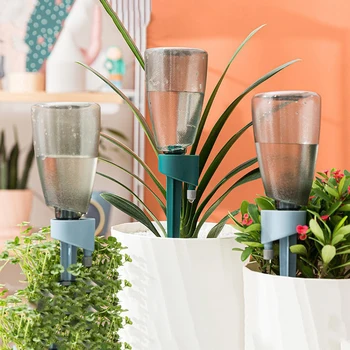
- Water from the bottom: Place the pot in a tray of water for 5‑10 minutes, allowing capillary action to hydrate evenly.
- Drainage check: Ensure holes are clear; clogged drains cause waterlogging.
Step 4: Optimize Light and Humidity
Artificial Light Supplementation
If natural light is insufficient, install a full‑spectrum LED grow light. Position it 12‑18 inches above the foliage and run it 12 hours per day. A 2023 study by the LED Lighting Institute found a 30% growth boost in pothos when supplemented with 6500 K LEDs.
Humidity Hacks
Most indoor plants thrive at 40‑60% relative humidity. Raise humidity naturally by:
- Grouping plants together to create a micro‑climate.
- Placing a pebble tray filled with water beneath pots.
- Using a room humidifier set to 45% during winter heating.
Step 5: Feeding and Fertilizing
Balanced Nutrient Schedule
Apply a diluted (¼ strength) balanced liquid fertilizer (10‑10‑10 NPK) once a month during the growing season (spring‑early fall). For slow‑growers, reduce frequency to every 6‑8 weeks.
Organic Alternatives
Mix 1 tsp of seaweed extract into the watering routine once a month. Seaweed provides micronutrients and plant hormones that improve stress tolerance, as shown in a 2021 Marine Botany review.
Step 6: Routine Maintenance and Pest Management
Pruning and Leaf Care
Trim yellow or brown leaf tips with clean scissors to redirect energy to healthy growth. Remove dead foliage weekly to improve air circulation and reduce fungal risk.
Natural Pest Controls
If you spot aphids or spider mites, spray a solution of 1 tbsp neem oil mixed with 1 liter water. Apply every 7‑10 days until pests disappear. Neem oil is biodegradable and safe for pets when used as directed.
Step 7: Monitor Progress with Data‑Driven Checks
Monthly Growth Log
Record plant height, leaf count, and any visual changes in a simple spreadsheet. Over a 3‑month period, you’ll be able to spot trends—e.g., a 10% growth slowdown may signal a nutrient deficiency.
Adjust Based on Observations
Use your data to tweak watering intervals, light exposure, or fertilizer dosage. The iterative approach mirrors the scientific method and leads to consistently healthier indoor plants.
By following these evidence‑backed steps—selecting the right species, improving soil naturally for stronger, healthier plants, mastering watering, and fine‑tuning light and nutrients—you’ll turn any indoor space into a thriving green oasis. Happy planting!