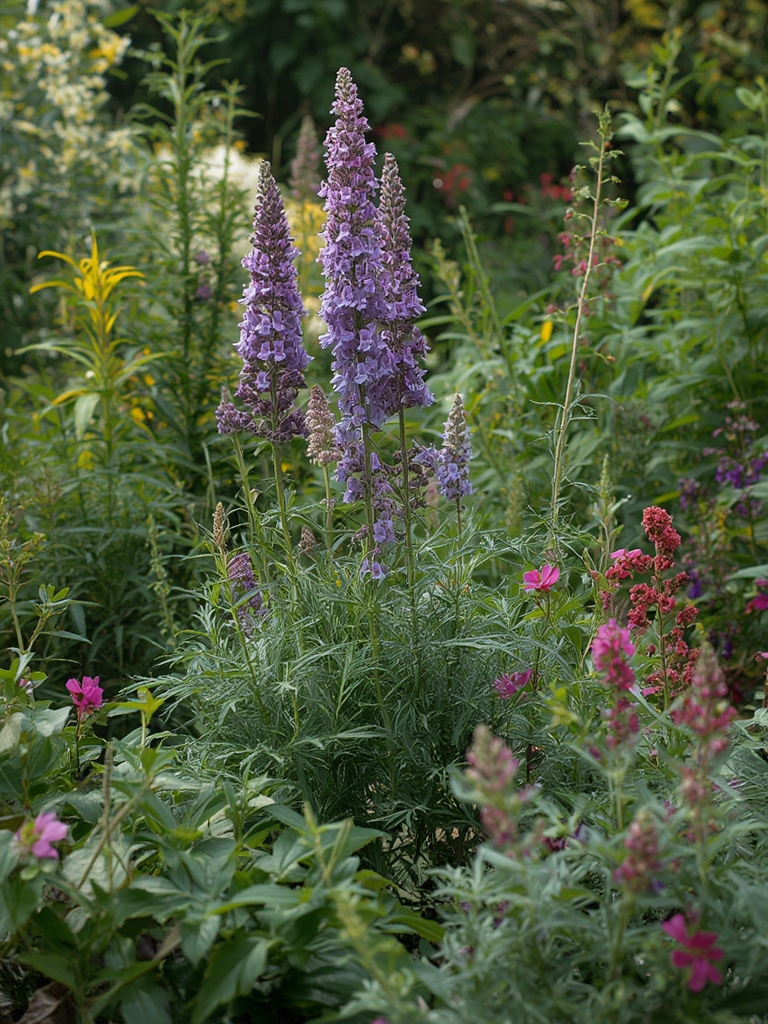
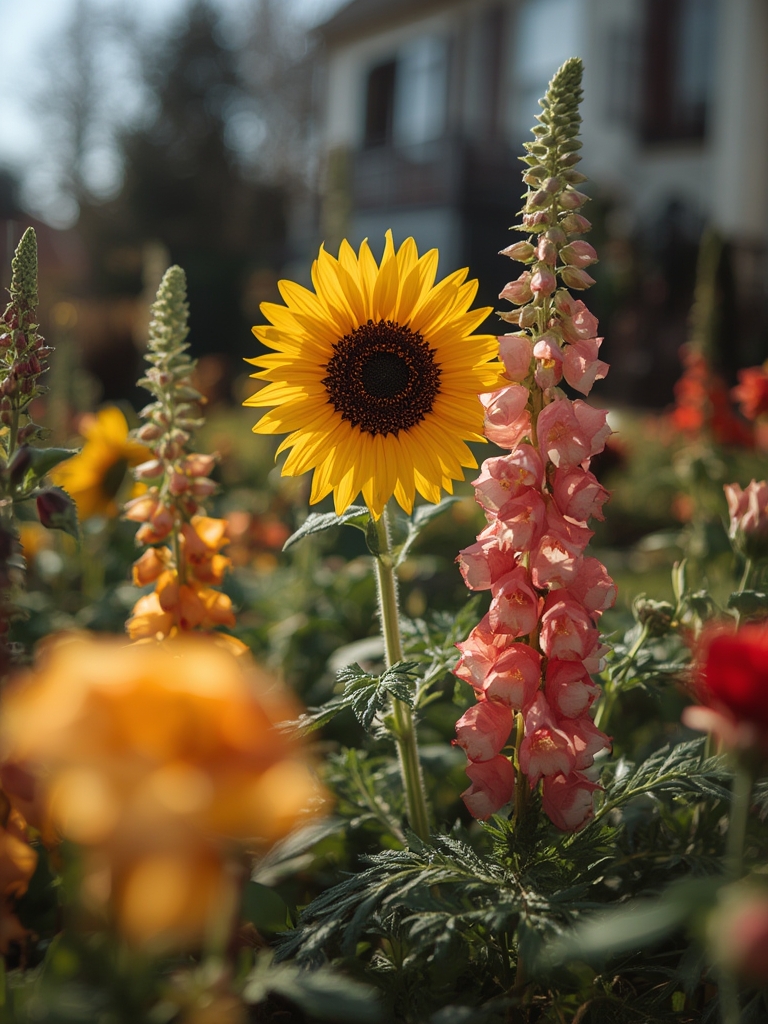
Herbs and aromatic plants are the heart of a thriving kitchen garden, offering fresh flavor, natural fragrances, and even therapeutic benefits. Whether you’re a seasoned gardener or just starting out, this data‑driven guide will walk you through every step—from site selection to year‑round harvesting—so you can enjoy fresh herbs even during the cold months.
1. Choose the Right Herbs for Your Climate
Start with a data‑backed selection based on USDA hardiness zones and average temperature ranges. Below is a quick reference:
- Zone 3‑7: Rosemary, sage, thyme, oregano, and lavender (hardier varieties).
- Zone 8‑10: Basil, dill, cilantro, mint, and lemon balm.
- Cold‑frame or indoor growers: Chives, parsley, and micro‑greens.
Choosing herbs that match your zone reduces the risk of winter kill and minimizes the need for supplemental heating.
Actionable Tip
Check your local extension service’s “Plant Hardiness Map” and cross‑reference with the list above. Mark the herbs you’ll grow on a garden planner sheet to keep track of planting windows.
2. Prepare the Soil – The Foundation of Success
Most aromatic herbs thrive in well‑draining, slightly alkaline soil (pH 6.5‑7.5). Conduct a simple soil test using a home kit or send a sample to a lab for precise results.
Step‑by‑Step Soil Preparation
- Test pH: If the reading is below 6.5, add garden lime at the rate recommended on the package.
- Improve drainage: Incorporate 1‑2 inches of coarse sand or perlite into the top 12 inches of soil.
- Enrich with organic matter: Mix in 2‑3 inches of compost or well‑rotted manure to boost nutrient availability.
Practical Trick
Place a shallow tray of gravel beneath raised beds to further enhance drainage and prevent waterlogging during heavy rains.
3. Planting Techniques for Optimal Growth
Timing and spacing are crucial. Overcrowding reduces airflow, increasing the risk of fungal diseases.

Seed Starting (Indoor)
- Timing: Start seeds 6‑8 weeks before the last frost date for your zone.
- Containers: Use peat or coir seed trays with drainage holes.
- Light: Provide 12‑14 hours of artificial light (LED grow lights) at 4000‑5000 K.
- Watering: Keep the medium consistently moist but not soggy; a misting bottle works well.
Transplanting Outdoors
- Harden off seedlings by placing them outside for 1‑2 hours daily, increasing exposure over a week.
- Space herbs according to their mature size: 12‑18 inches for rosemary, 6‑12 inches for thyme and oregano.
- Plant at the same depth as the seedling’s original container; gently firm soil around the roots.
Actionable Advice
Mark each planting spot with a reusable plant label. This prevents confusion and helps you track growth rates for future seasons.
4. Watering & Fertilizing – Keep Herbs Happy
Herbs prefer deep, infrequent watering over light, daily misting. This encourages robust root systems.
Watering Schedule
- Newly planted: Water lightly every 2‑3 days until roots establish (about 2‑3 weeks).
- Established plants: Water once a week, providing 1‑1.5 inches of water per session.
- Rainy periods: Skip watering if the soil remains moist 2 inches below the surface.
Fertilizer Recommendations
Herbs are light feeders. Apply a balanced, slow‑release fertilizer (10‑10‑10) at a rate of 1 lb per 100 sq ft in early spring. For organic lovers, a 4‑4‑4 compost tea applied every 4 weeks works well.
Quick Tip
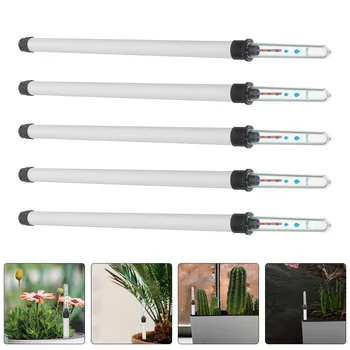
Use a soil moisture meter to avoid over‑watering—a common cause of root rot in aromatic herbs.
5. Pruning & Harvesting for Continuous Yield
Regular pruning stimulates new growth and prevents woody stems, especially in perennial herbs like rosemary and sage.
Pruning Guidelines
- Frequency: Trim 1‑2 inches every 4‑6 weeks during the growing season.
- Method: Use clean, sharp scissors; cut just above a leaf node to encourage branching.
- Winter care: In zones with harsh winters, cut back woody stems to 2‑3 inches above ground in late fall, then mulch heavily.
Harvesting Tips
- Harvest in the morning after dew dries for the highest essential oil content.
- Take only up to one‑third of the plant at a time to avoid stress.
- For indoor growers, pinch off the top leaves regularly to keep the plant bushy.
6. Extending the Season – Enjoy Fresh Herbs All Year
Cold months don’t have to mean a herbless kitchen. Here are three proven strategies:
Cold Frames & Mini‑Greenhouses
Build a simple cold frame using reclaimed windows and a wooden frame. Position it on a sunny south‑facing spot. Inside, maintain temperatures 5‑10 °F above ambient by adding a layer of straw mulch.
Indoor Herb Garden
Choose compact varieties (e.g., dwarf basil, ‘Mini’ rosemary). Place them on a sunny windowsill or under a grow light set to 14‑hour cycles. Use a high‑quality potting mix and water sparingly.
Freezing & Drying for Storage
- Freezing: Chop fresh leaves, pack into airtight freezer bags, and lay flat in the freezer. Use within 6 months.
- Drying: Hang bundles upside‑down in a well‑ventilated, dark area for 1‑2 weeks. Store dried herbs in glass jars away from light.
Actionable Advice
Label each frozen bag with the herb name and date. This simple habit helps you rotate stock and reduces waste.
7. Common Problems & Data‑Driven Solutions
Even the most diligent gardener encounters issues. Below is a quick reference table based on USDA Extension data:
| Problem | Likely Cause | Solution (Data‑Backed) |
|---|---|---|
| Leaf yellowing | Excessive moisture or nitrogen deficiency | Reduce watering frequency; apply a balanced fertilizer at half the recommended rate. |
| Powdery mildew | High humidity, poor airflow | Increase spacing, prune for airflow, and apply a 1 % potassium bicarbonate spray weekly. |
| Leggy growth | Insufficient light | Move plants to a brighter location or increase LED intensity to 250 µmol m⁻² s⁻¹. |
8. Final Checklist – Your Path to a Flourishing Aromatic Garden
- Confirm your USDA zone and select compatible herbs.
- Test soil pH and amend for drainage and fertility.
- Start seeds indoors 6‑8 weeks before the last frost.
- Transplant with proper spacing and harden off seedlings.
- Water deeply once a week; monitor moisture with a meter.
- Apply light fertilizer in early spring; use compost tea monthly.
- Prune regularly to prevent woody stems and encourage bushy growth.
- Harvest in the morning; limit cuts to one‑third of the plant.
- Implement cold frames, indoor setups, or preservation methods for winter use.
- Track problems with the table above and adjust care accordingly.
By following these data‑driven steps and incorporating the practical tips throughout, you’ll create a resilient herb and aromatic garden that delivers fresh, flavorful leaves all year long—right from the garden bed to your kitchen table.