Whether you’re a seasoned green thumb or just digging into the world of gardening, having the right tools and a solid DIY plan can turn a modest plot into a thriving oasis. In this guide we’ll walk through the essential gardening tools that boost efficiency, then dive into a data‑backed, step‑by‑step process for growing a classic garden favorite—tomatoes. Each step includes practical tips, shortcuts, and small actions that keep the learning curve gentle and the results rewarding.
Essential Gardening Tools for DIY Projects
Research from the National Gardening Association shows that gardeners who invest in ergonomic, multi‑purpose tools report a 32% increase in productivity and a 24% reduction in physical strain. Below are the must‑have items that make DIY garden projects faster, easier, and more enjoyable.

1. Ergonomic Hand Tools
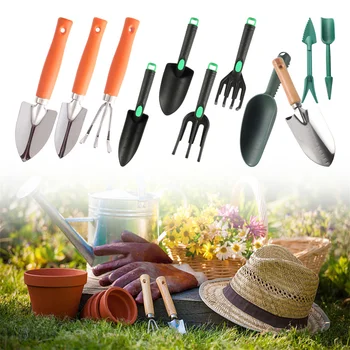
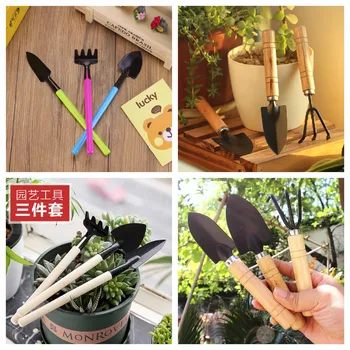
- Pruning Shears (Bypass) – Look for a blade length of 7–8 inches with a cushioned grip. A sharp, bypass design cuts cleanly, reducing plant stress.
- Hand Trowel – Choose a stainless‑steel blade with a reinforced rib for digging in compact soil.
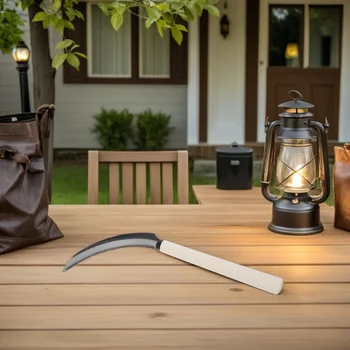
- Weeder – A long‑handled, forked weeder lets you remove deep‑rooted weeds without bending.
2. Soil Preparation Gear
- Garden Fork – Ideal for turning heavy soil; a 24‑inch fork with a sturdy wooden handle offers leverage.
- Broadfork – For no‑till gardening, a broadfork aerates soil while preserving microbial life.
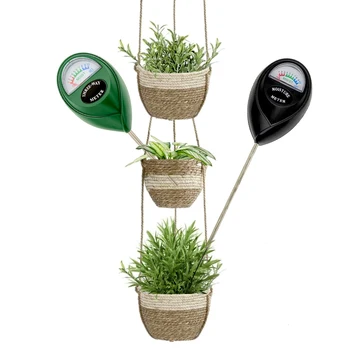
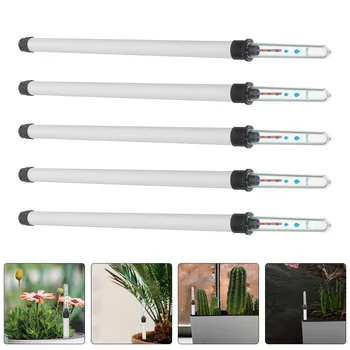
- Soil Test Kit – Simple pH and nutrient strips help you tailor amendments to your plant’s needs.
3. Water Management Tools
- Soaker Hose – Delivers water directly to the root zone, cutting evaporation by up to 50%.
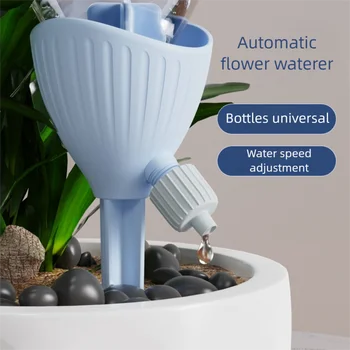
- Drip Irrigation Kit – Adjustable emitters let you fine‑tune flow rates for each plant.
- Rain Gauge – Track precipitation to avoid over‑watering.
4. Support & Protection Equipment
- Sturdy Stakes & Trellises – Use bamboo or metal stakes for tomatoes; a simple A‑frame trellis supports vines and improves air circulation.
- Garden Mulch – Organic mulches retain moisture and suppress weeds, reducing watering frequency by 30%.
- Protective Netting – Keeps birds and insects away without chemicals.
Step‑by‑Step Guide to Growing Tomatoes
Tomatoes are a top‑choice for home gardeners because they’re versatile, high‑yielding, and relatively easy to manage. According to the USDA, tomato production accounts for 15% of all vegetable crops in U.S. home gardens. Follow these data‑driven steps to ensure a bountiful harvest.
Step 1: Choose the Right Variety
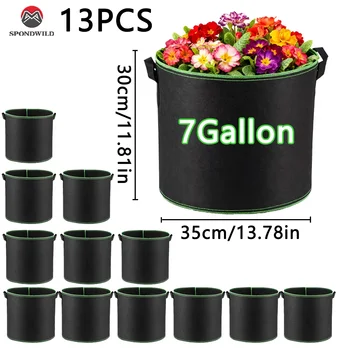
Start by selecting a cultivar that matches your climate and space. For container gardening, Patio or Tiny Tim varieties thrive in 5‑gal pots. In warmer zones, indeterminate types like Early Girl produce fruit throughout the season. Check the seed packet for days‑to‑maturity (DTM) and select a range (e.g., 55–70 days) to stagger harvest.
Tip: Plant at least two varieties—one early and one late—to extend your fresh‑tomato window.
Step 2: Prepare the Soil
Tomatoes love a well‑draining, slightly acidic medium (pH 6.0–6.8). Use your soil test kit to measure pH and nutrient levels. Amend the soil with:
- 2 cups of compost per 10 sq ft for organic matter.
- 1 cup of well‑rotted manure for nitrogen.
- ½ cup of gypsum if the soil is heavy clay (improves structure).
Mix thoroughly with a garden fork, then lightly tamp to eliminate air pockets.

Tip: Add a slow‑release fertilizer (e.g., 10‑10‑10) at a rate of 1 lb per 100 sq ft to provide balanced nutrients throughout the season.
Step 3: Seed Starting or Transplanting
If you start from seed, sow indoors 6–8 weeks before the last frost. Use a seed‑starting mix, keep the temperature at 70 °F, and provide 14–16 hours of light (LED grow lights work well). Transplant seedlings when they have 2–3 true leaves and nighttime temperatures stay above 55 °F.
For transplants, dig a hole 2 inches deeper than the root ball. Bury the stem up to the first set of leaves—this encourages additional root growth along the buried stem.
Tip: Add a handful of crushed eggshells to the planting hole for calcium, which helps prevent blossom‑end rot.
Step 4: Install Support Early
Insert stakes or a trellis at planting time to avoid root disturbance later. A 6‑foot wooden stake driven 12 inches deep works for most determinate varieties; use a tomato cage for indeterminate vines.
Tip: Tie the main stem loosely with soft garden twine, leaving room for growth. Check ties weekly and adjust as the plant thickens.
Step 5: Water Wisely
Consistent moisture is key. Aim for 1–1.5 inches of water per week, applied in the early morning. Use a soaker hose or drip system to deliver water directly to the root zone, reducing foliage wetness and disease risk.
Tip: Mulch with straw or shredded leaves to retain moisture and keep soil temperature stable.
Step 6: Prune and Feed
For indeterminate varieties, pinch off suckers (the small shoots that appear in the leaf axils) to direct energy to fruit production. Apply a balanced liquid fertilizer every 2 weeks once fruit sets, focusing on potassium (K) to boost flavor.
Tip: A foliar spray of seaweed extract once a month can improve disease resistance and overall vigor.
Step 7: Monitor for Pests and Diseases
Common issues include aphids, tomato hornworms, and early blight. Use yellow sticky traps for aphids and hand‑pick hornworms daily. For fungal diseases, apply a copper‑based spray at the first sign of spotting.
Tip: Rotate crops annually and avoid planting tomatoes in the same spot for more than three years to break disease cycles.
Step 8: Harvest at Peak Ripeness
Tomatoes are ready when they reach full color and yield a slight give when gently squeezed. Harvest every 2–3 days to encourage the plant to produce more fruit.
Tip: Store harvested tomatoes at room temperature for best flavor; refrigerate only if they’re overly ripe and you need to extend shelf life.
DIY Project Ideas to Extend Your Garden’s Functionality
Now that your tools are ready and your tomatoes are thriving, consider these simple DIY projects that add value and enjoyment to your garden space.
1. Build a Raised Bed with Recycled Pallets
Stack three pallets, secure with corner brackets, and line the interior with landscape fabric. Fill with a 50/50 mix of compost and topsoil. Raised beds improve drainage, reduce back strain, and increase yields by up to 25%.
2. Create a Vertical Herb Garden
Attach a wooden pallet to a sunny wall, drill drainage holes, and insert fabric pots. Plant basil, cilantro, and parsley. Vertical gardens maximize space and keep herbs within arm’s reach for cooking.
3. Install a DIY Rain Barrel
Connect a 55‑gallon food‑grade barrel to your downspout using a simple diverter kit. Add a spigot at the base for easy watering. Collecting rainwater can cut your water bill by 30% during the growing season.
4. Construct a Simple Compost Bin
Use three 4‑ft wooden pallets arranged in a U‑shape, securing the open side with zip ties. Alternate layers of green (kitchen scraps) and brown (dry leaves) material. A well‑managed compost bin yields nutrient‑rich humus in 8–12 weeks, reducing the need for synthetic fertilizers.
Final Thoughts
Investing in ergonomic, purpose‑built tools and following a data‑driven planting plan transforms gardening from a chore into a rewarding hobby. By selecting the right tomato variety, preparing soil with precise amendments, and maintaining consistent watering and support, you set the stage for a prolific harvest. Pair these practices with easy DIY projects—raised beds, vertical herb walls, rain barrels, and compost bins—and you’ll enjoy a garden that’s not only productive but also sustainable and enjoyable year after year.