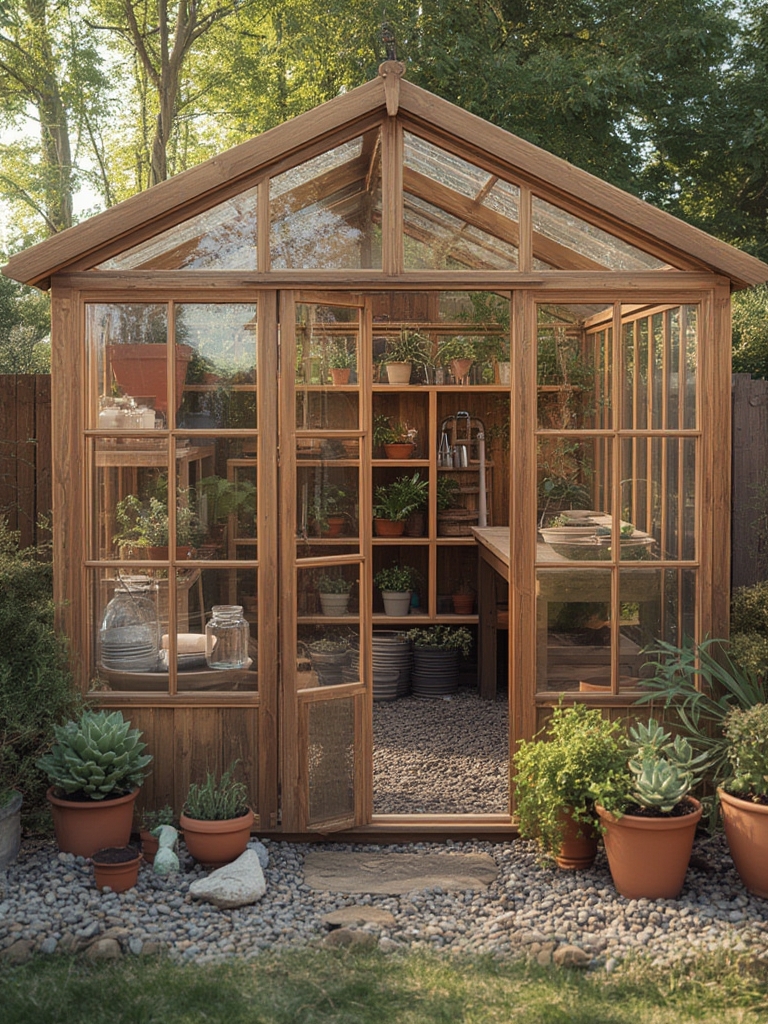
Whether you’re a seasoned green thumb or just starting your first garden, the right tools and a solid DIY plan can turn a modest plot into a thriving oasis. In this guide we’ll walk you through the essential gardening tools that save time and effort, and then dive into a step‑by‑step DIY project for growing a versatile, low‑maintenance plant: the herbaceous perennial rosemary (Rosmarinus officinalis). Rosemary not only adds flavor to your kitchen but also attracts pollinators and provides a fragrant, evergreen backdrop for any garden design.
Essential Gardening Tools for Faster, Easier Work
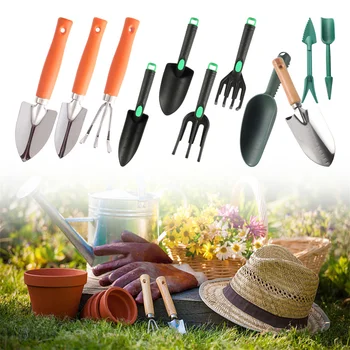
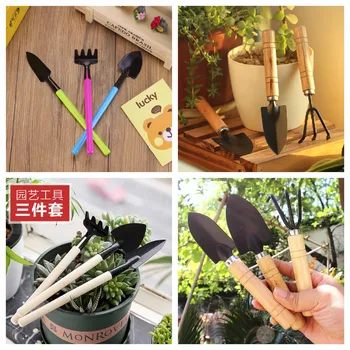
1. Hand Trowel – The All‑Purpose Digging Companion
- Why it matters: A sturdy hand trowel lets you loosen soil, transplant seedlings, and mix compost with precision.
- Tip: Choose a trowel with a stainless‑steel blade and a comfortable, non‑slip grip to reduce hand fatigue.
2. Pruning Shears (Secateurs) – Clean Cuts for Healthy Growth
- Why it matters: Sharp, clean cuts prevent disease and encourage vigorous regrowth.
- Tip: Keep the blades oiled and sharpened; a quick wipe after each use extends their life.
3. Garden Fork – Aerate and Amend Soil Efficiently
- Why it matters: A fork breaks up compacted soil, improves drainage, and mixes in organic matter without tearing roots.
- Tip: Use a fork with a long handle for better leverage on larger beds.
4. Watering Can with a Rose Head – Gentle, Even Moisture
- Why it matters: A rose‑head spout distributes water slowly, reducing runoff and soil erosion.
- Tip: Fill the can with lukewarm water to avoid shocking plant roots.
5. Garden Kneeler/Seat – Comfort for Long Sessions
- Why it matters: Protects knees and back, allowing you to work longer without discomfort.
- Tip: Look for a model with a detachable seat so you can switch between kneeling and sitting.
DIY Project: Growing and Caring for Rosemary
Step 1: Choose the Perfect Location
Rosemary thrives in full sun (at least 6‑8 hours daily) and well‑draining soil. Pick a spot that meets these conditions, whether it’s a raised bed, a sunny patio container, or a garden border.

- Actionable tip: Perform the “paper towel test” – place a damp paper towel on the soil; if it stays moist for more than 24 hours, the soil may retain too much water.
- Trick: Add a layer of coarse sand or perlite to improve drainage in heavy clay soils.
Step 2: Prepare the Soil
Mix the existing soil with organic compost and a small amount of gritty material (sand, perlite, or fine gravel) in a 2:1:1 ratio.
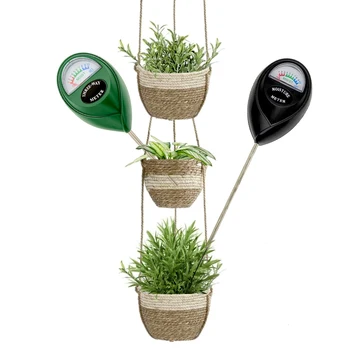
- Actionable tip: Use the garden fork to turn the soil to a depth of 12 inches, ensuring an even blend.
- Trick: Sprinkle a handful of crushed eggshells for extra calcium, which helps rosemary develop strong stems.
Step 3: Planting Rosemary
- Space seedlings or cuttings 18‑24 inches apart to allow airflow.
- Dig a hole slightly larger than the root ball.
- Place the plant, backfill with soil, and gently firm around the base.
Practical advice: Water the newly planted rosemary lightly to settle the soil, then step back—over‑watering at this stage can cause root rot.
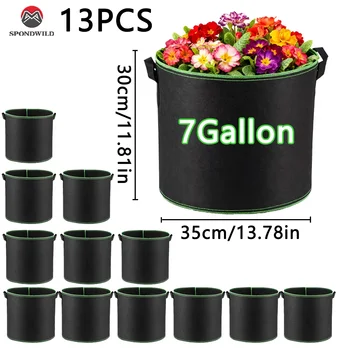
Step 4: Watering Schedule
Rosemary is drought‑tolerant but needs consistent moisture during the first two weeks to establish roots.
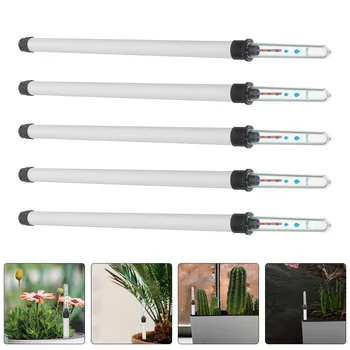
- Actionable tip: Water once a week with about 1 inch of water, using the watering can with a rose head for gentle distribution.
- Trick: Insert a wooden stake into the soil; if it pulls up moist soil, you’re watering enough.
Step 5: Feeding and Fertilizing
Rosemary doesn’t require heavy feeding. A light application of balanced, slow‑release fertilizer in early spring is sufficient.
- Actionable tip: Sprinkle 1‑2 tablespoons of fertilizer around the base, then work it lightly into the top inch of soil.
- Trick: Use a coffee grounds mulch (thin layer) to add nitrogen without overwhelming the plant.
Step 6: Pruning for Growth and Harvest
Regular pruning encourages bushier growth and prevents woody stems.

- After the plant reaches 12‑inch height, trim back 1/3 of the top growth using clean pruning shears.
- Harvest stems as needed, cutting just above a leaf node to stimulate new shoots.
Practical tip: Never remove more than one‑third of the plant at once; this maintains enough foliage for photosynthesis.
Step 7: Managing Pests and Diseases
Rosemary is relatively pest‑resistant, but occasional issues include aphids and powdery mildew.
- Actionable tip: Spray a mild neem oil solution (1 teaspoon per quart of water) every two weeks during humid periods.
- Trick: Increase airflow by spacing plants properly and pruning interior branches.
DIY Add‑On Projects to Enhance Your Rosemary Garden
1. Create a Rustic Herb Rack
Using reclaimed wooden pallets, assemble a vertical rack that holds multiple herb pots, including rosemary. This saves ground space and adds visual interest.
- Materials: Pallet, sandpaper, exterior paint, pot brackets.
- Steps: Sand the pallet, paint for weather resistance, attach brackets, and secure pots.
- Tip: Position the rack near a sunny wall to maximize heat retention.
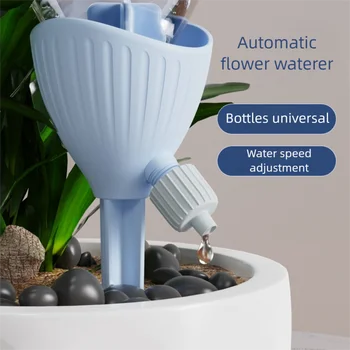
2. Build a Self‑Watering Reservoir
A simple self‑watering system reduces daily watering chores.
- Materials: Large plastic bottle, cotton wick, drill.
- Steps: Cut the bottle in half, invert the top into the bottom, insert a cotton wick through a small hole, and place the assembly in the pot.
- Tip: Refill the reservoir when the water level drops to the middle of the bottle.
3. Install a Miniature Drip Irrigation Line
For larger rosemary beds, a drip line delivers water directly to the root zone, conserving up to 30 % more water than overhead watering.
- Materials: 1/4‑inch drip tubing, emitters, timer.
- Steps: Lay tubing along plant rows, attach emitters near each plant, connect to a timer set for early morning watering.
- Tip: Flush the system once a month to prevent clogging.
Quick Recap: Key Takeaways for Success
- Invest in a high‑quality hand trowel, pruning shears, garden fork, rose‑head watering can, and a comfortable kneeler.
- Select a sunny, well‑draining spot and amend soil with compost and sand.
- Plant rosemary 18‑24 inches apart, water lightly, and avoid over‑watering.
- Prune regularly, feed sparingly, and monitor for pests with natural remedies.
- Enhance the garden with DIY projects like herb racks, self‑watering reservoirs, and drip irrigation.
By pairing the right tools with a clear, data‑driven plan, you’ll watch your rosemary—and any other garden favorite—flourish with minimal effort. Happy gardening!