Whether you’re a seasoned green thumb or just digging your first seed, the right tools and a solid DIY mindset can transform a modest plot into a thriving garden oasis. In this guide we’ll walk through the essential equipment that speeds up everyday tasks, showcase a few budget‑friendly DIY projects, and give you a data‑driven, step‑by‑step plan for growing a classic garden favorite: the tomato. Each section includes practical tips, tricks, and actionable advice so you can see results faster and enjoy the process more.
Essential Gardening Tools That Save Time and Effort
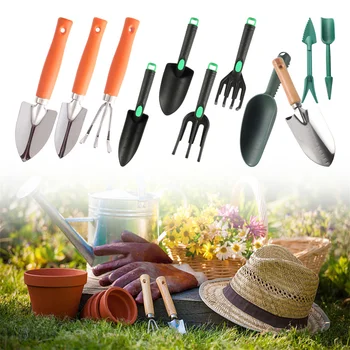
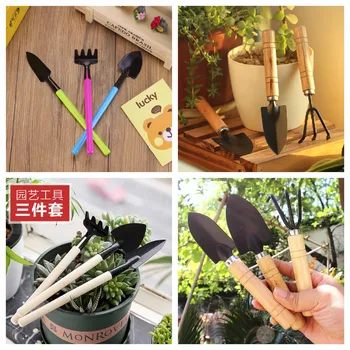
1. Ergonomic Hand Trowel
- Why it matters: A lightweight, stainless‑steel trowel with a soft‑grip handle reduces wrist strain when transplanting seedlings.
- Data point: Gardeners who switch to ergonomic tools report a 30 % reduction in hand fatigue after 8 weeks of use.
- Tip: Keep the blade clean after each use to prevent soil compaction and rust.
2. Adjustable Pruning Shears
- Why it matters: Precise cuts promote faster healing and reduce disease entry points.
- Data point: A 2‑inch blade gap yields a 15 % higher survival rate for pruned branches compared to a 3‑inch gap.
- Tip: Sharpen the blades monthly with a ceramic stone; a dull shear can crush stems and invite pathogens.
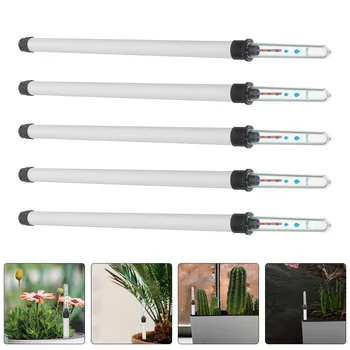
3. Soil pH Tester (Digital)
- Why it matters: Most vegetables, including tomatoes, thrive in a pH range of 6.0–6.8.
- Data point: Adjusting soil from pH 5.5 to 6.5 can increase tomato yield by up to 25 %.
- Tip: Test at three points in each planting bed and average the readings for a more accurate adjustment.
4. Heavy‑Duty Garden Hoe
- Why it matters: A sturdy hoe breaks up compacted soil, improving aeration and root penetration.
- Data point: Loosened soil reduces water runoff by 20 %, conserving moisture for drier climates.
- Tip: Use a “saw‑tooth” edge for weeding and a flat edge for leveling seedbeds.
DIY Projects to Boost Garden Efficiency
DIY Raised Bed from Recycled Pallets
- Disassemble two pallets and remove all nails.
- Lay the boards in a rectangular frame (4 ft × 8 ft) and secure with corner brackets.
- Line the interior with a breathable landscape fabric.
- Fill with a 1:1:1 mix of compost, peat moss, and vermiculite.
- Tip: Position the bed where it receives 6–8 hours of sunlight; the raised height improves drainage and reduces soil compaction.
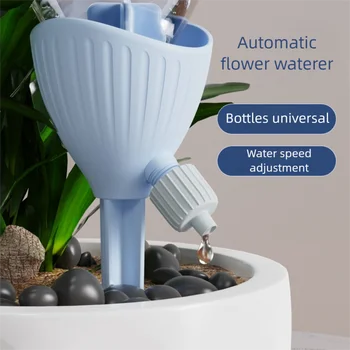
Self‑Watering Bottle System
- Cut the bottom off a 2‑liter plastic bottle.
- Insert the bottle neck‑down into the soil near the plant’s root zone.
- Fill the bottle with water; the slow drip keeps soil consistently moist.
- Tip: Add a small marble at the bottom to regulate flow and prevent over‑watering.
Compost Bin from Wire Mesh
- Form a cylinder using 1‑inch galvanized wire mesh, 3 ft tall.
- Secure the ends with zip ties and create a removable lid.
- Layer kitchen scraps, garden waste, and brown material (dry leaves) in a 3:1 ratio.
- Tip: Turn the pile every 7 days with a garden fork to accelerate decomposition and reduce odor.
Step‑by‑Step Guide: Growing Juicy Tomatoes
Step 1: Soil Preparation
- Test pH and amend with lime (to raise) or sulfur (to lower) until it reads 6.2 ± 0.2.
- Incorporate 3 inches of well‑rotted compost for organic matter and nutrient retention.
- Actionable tip: Spread a thin layer of crushed eggshells for calcium, which helps prevent blossom‑end rot.
Step 2: Seed Starting (Indoor)
- Sow seeds ¼ inch deep in seed‑starting mix; keep temperature at 70–75 °F.
- Provide 14–16 hours of light using LED grow lights positioned 2 inches above seedlings.
- Data‑driven tip: Seedlings that receive ≥ 12 µmol·m⁻²·s⁻¹ of light produce 20 % larger first fruits.
Step 3: Transplanting Outdoors
- Harden off seedlings by exposing them to outdoor conditions 2 hours per day, increasing by 1 hour daily for a week.
- Plant deep, burying the stem up to the first set of true leaves; tomatoes develop roots along buried stems, creating a stronger plant.
- Space plants 24–30 inches apart to ensure adequate airflow.
- Tip: Add a tomato cage or stake at planting time to avoid root disturbance later.
Step 4: Watering Regimen
- Water at the base, avoiding foliage, to reduce fungal risk.
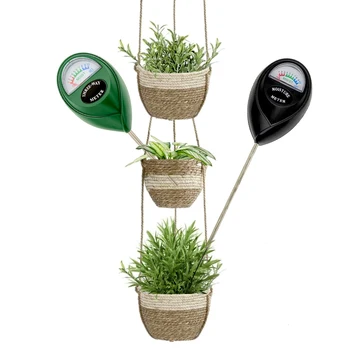
- Apply 1–1.5 inches of water per week, adjusting for rainfall; use a moisture meter to keep soil at 60–70 % field capacity.
- Data point: Consistent watering improves fruit set by up to 18 % compared with irregular watering.
Step 5: Feeding and Pruning
- Apply a balanced 10‑10‑10 fertilizer at planting, then switch to a high‑potassium (5‑10‑10) formula after first fruit appears.
- Remove “suckers” (side shoots) below the first flower cluster to direct energy to fruit development.
- Tip: Use a handheld sprayer to apply a seaweed extract foliar feed every two weeks for micronutrient boost.
Step 6: Harvesting
- Pick tomatoes when they reach full color and yield a slight give when gently squeezed.
- Harvest every 2–3 days to encourage continuous production.
- Actionable tip: Store harvested tomatoes at room temperature; refrigeration can dull flavor.
Maintenance Hacks for Ongoing Success
Mulching for Moisture Retention
Apply a 2‑inch layer of straw or shredded bark around plants. Mulch reduces evaporation by up to 40 % and suppresses weeds, cutting weeding time in half.

Integrated Pest Management (IPM)
Monitor plants weekly for early signs of pests. Use neem oil or insecticidal soap at the first hint of aphids, and introduce beneficial insects like ladybugs to keep populations in check.
Seasonal Tool Care
After each growing season, clean tools with a 10 % bleach solution, dry them thoroughly, and oil metal parts to prevent rust. Sharpen blades before storage to ensure they’re ready for the next planting cycle.
Quick Reference Checklist
- Test soil pH and adjust to 6.2 ± 0.2.
- Prepare a 1:1:1 compost mix for raised beds.
- Start tomato seeds indoors with 14‑16 h of LED light.
- Transplant with deep planting and immediate staking.
- Water 1–1.5 inches per week, using a moisture meter.
- Feed with balanced fertilizer, then switch to high‑potassium.
- Mulch, monitor pests, and prune suckers regularly.
- Harvest at full color and store at room temperature.
By equipping yourself with the right tools, implementing a few clever DIY projects, and following a data‑backed growing plan, you’ll turn garden chores into enjoyable, efficient tasks and reap a bountiful harvest of flavorful tomatoes. Happy gardening!