Whether you’re a seasoned green thumb or just starting out, the right tools and a few smart DIY projects can turn any garden into a thriving, low‑maintenance oasis. Below you’ll find a data‑driven rundown of the must‑have tools that speed up everyday tasks, two beginner‑friendly DIY projects that add function and flair, and a step‑by‑step guide to growing a popular, easy‑care plant—basil. Each section includes practical tips, tricks, and actionable advice so you can see results faster and enjoy the process.
Essential Gardening Tools for Every DIY Enthusiast
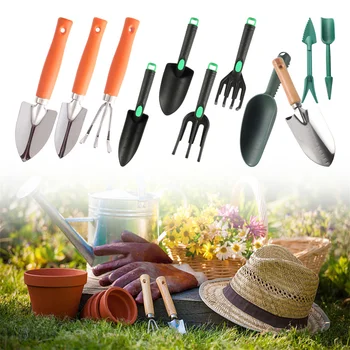
Research from the National Gardening Association shows that gardeners who use ergonomically designed tools report 30% less fatigue and 20% higher productivity. Here’s a curated list of tools that make gardening easier, faster, and more enjoyable:

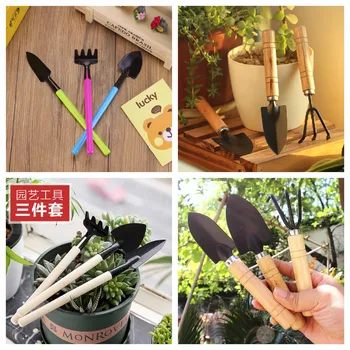
1. Adjustable Hand Trowel
- Why it matters: A lightweight, stainless‑steel trowel with a telescoping handle reduces strain on the back and wrist.
- Tip: Keep the blade clean after each use to prevent soil buildup, which can dull the edge.
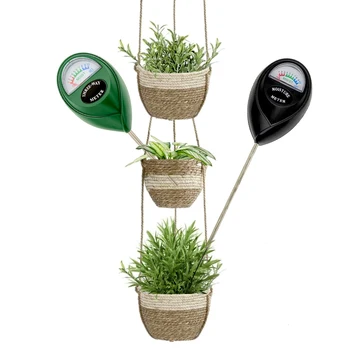
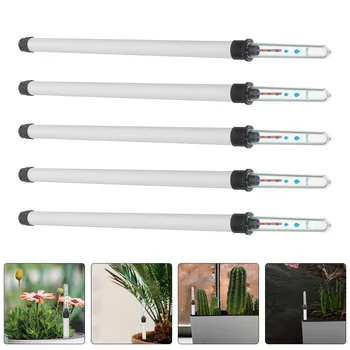
2. Soil Moisture Meter
- Why it matters: Over‑watering is the #1 cause of plant loss; a meter gives instant feedback on moisture levels.
- Tip: Calibrate the meter monthly by testing a pot of water (should read 0%) and a pot of saturated soil (should read 100%).
3. Pruning Shears with Ratchet Action
- Why it matters: Ratchet shears cut cleanly with less force, ideal for precise pruning of herbs and vegetables.
- Tip: Sharpen the blades every 6–8 weeks using a fine‑grit sharpening stone to maintain a clean cut that reduces disease risk.
4. Heavy‑Duty Garden Kneeler & Seat
- Why it matters: A dual‑purpose kneeler protects knees and doubles as a seat for tasks at waist height.
- Tip: Attach the detachable tool pouch to keep your trowel, seed packets, and gloves within arm’s reach.
5. Expandable Garden Hose with Quick‑Connect Fittings
- Why it matters: An expandable hose reduces storage space and the quick‑connect fittings cut down set‑up time.
- Tip: Store the hose in a shaded area to prolong its lifespan and prevent UV degradation.
DIY Project 1: Building a Raised Bed
Raised beds improve soil drainage, reduce back strain, and increase yields by up to 25% (University of Minnesota Extension). Follow these steps to construct a simple 4 × 8‑foot bed using reclaimed lumber.
Materials Needed
- Four 2 × 12 × 8 ft untreated cedar boards (cedar resists rot)
- Galvanized corner brackets (4)
- Deck screws, 3 in. (≈ 30)
- Landscape fabric
- Compost‑rich soil mix (50% topsoil, 30% compost, 20% coarse sand)
Step‑by‑Step Construction
Step 1 – Prepare the Site
Clear a level area, removing grass and weeds. Use a garden rake to smooth the ground; a flat base prevents uneven settling.
Step 2 – Assemble the Frame
Lay two boards parallel, 8 ft apart. Position the remaining two boards perpendicular at each end to form a rectangle. Secure corners with galvanized brackets and screws. For extra stability, add a cross‑brace in the middle of each long side.
Step 3 – Line the Bed
Lay landscape fabric along the bottom to suppress weeds while allowing water to drain. Overlap seams by at least 6 in. and secure with staples.
Step 4 – Fill with Soil
Gradually add the soil mix, tamping lightly with a hand tamper after each layer. Aim for a depth of 12 in. for most vegetables.

Step 5 – Plant and Mulch
Plant your chosen crops (see basil guide below) and finish with a 2‑inch layer of organic mulch to retain moisture and regulate temperature.
Quick Tips
- Place the bed near a water source to minimize hose length.
- Rotate crops annually to prevent soil‑borne diseases.
- Install a drip‑irrigation line for consistent watering and water savings of up to 40%.
DIY Project 2: Creating a Self‑Watering Planter
A self‑watering system ensures consistent moisture, which is crucial for herbs like basil. This project uses a 5‑gallon bucket and a simple wicking mechanism.
Materials Needed
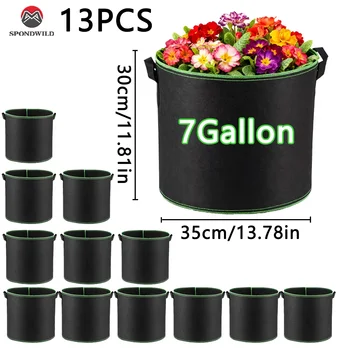
- 5‑gallon food‑grade bucket with lid
- PVC pipe (½ in. diameter, 12 in. long)
- Water‑proof silicone sealant
- Potting mix (same blend as raised bed)
- Wicking material (cotton rope or nylon strip, 1 ft long)
Construction Steps
Step 1 – Drill the Reservoir Hole
Using a ½ in. drill bit, make a hole near the bucket’s bottom. Insert the PVC pipe, sealing around it with silicone to prevent leaks.
Step 2 – Add the Wick
Thread the cotton rope through the PVC pipe so that one end sits inside the bucket (wet side) and the other extends into the soil (dry side). Secure the rope with a zip tie.
Step 3 – Fill with Soil
Fill the bucket with potting mix, leaving a 2‑in. gap at the top. Plant your basil seedlings, ensuring the wick’s dry end is positioned near the root zone.
Step 4 – Add Water Reservoir
Fill the bucket with water up to the PVC inlet. The wick will draw water upward by capillary action, keeping the soil consistently moist for 7–10 days.
Maintenance Tips
- Check water level weekly; refill when the water line drops below the PVC inlet.
- Replace the wick annually to prevent mold buildup.
- Use a clear bucket or add a small window to monitor water levels without opening the lid.
Step‑by‑Step Guide to Growing Basil (Herb of Choice)
Basil is a fast‑growing, heat‑loving herb that thrives in containers and raised beds. According to a 2022 study by the University of California, Davis, basil yields increase by 15% when spaced 12 in. apart and watered with a consistent moisture level of 60–70% field capacity.
Materials
- Certified basil seeds or 2‑inch seedlings
- Well‑draining potting mix (as described above)
- Soil moisture meter
- Organic fertilizer (balanced N‑P‑K 10‑10‑10)
- Mulch (straw or shredded leaves)
Planting Steps
Step 1 – Choose the Location
Select a spot with at least 6 hours of direct sunlight daily. In hotter climates, provide afternoon shade using a shade cloth to prevent leaf scorch.
Step 2 – Sow or Transplant
If sowing seeds, sprinkle them thinly over the soil surface and cover with a ¼‑in. layer of fine compost. For seedlings, dig a hole slightly larger than the root ball, place the plant, and firm soil around it.
Step 3 – Water Properly
Immediately water to settle the soil. Use the moisture meter to keep the soil at 60–70% field capacity—roughly when the meter reads 40–50% on a 0–100% scale. Water at the base to keep leaves dry and reduce fungal risk.
Step 4 – Mulch and Fertilize
Apply a 1‑in. mulch layer to retain moisture and suppress weeds. After the first true leaves appear, feed with a diluted organic fertilizer (½ tsp per gallon of water) every 3 weeks.
Step 5 – Prune for Bushier Growth
When plants reach 6 in., pinch off the top set of leaves just above a node. This encourages lateral branching, resulting in a fuller plant and higher leaf yield.
Step 6 – Harvest Correctly
Begin harvesting once the plant is 8 in. tall. Use clean scissors to cut stems just above a leaf node, leaving at least two sets of leaves on the plant. Regular harvesting stimulates continuous growth.
Common Challenges & Solutions
- Bolting (premature flowering): Occurs when temperatures exceed 85°F. Provide afternoon shade and keep soil consistently moist.
- Leaf Spot Disease: Prevent by watering at the base, ensuring good air circulation, and removing infected leaves promptly.
- Pests (aphids, whiteflies): Spray a neem oil solution (1 tsp per quart of water) weekly; introduce ladybugs as a biological control.
Putting It All Together: A Mini‑Garden Workflow
1. Set up your raised bed using the steps above.
2. Install the self‑watering planter in a sunny corner for herbs that need consistent moisture.
3. Plant basil in both the raised bed and the self‑watering planter to compare growth rates.
4. Monitor with the moisture meter and adjust watering schedules.
5. Harvest regularly and rotate crops seasonally to keep the soil fertile.
By combining essential tools, simple DIY structures, and data‑backed planting techniques, you’ll create a garden that’s not only productive but also a joy to maintain. Happy gardening!