Whether you’re a seasoned green thumb or just starting out, the right tools and a few smart DIY projects can turn gardening from a chore into a rewarding hobby. In this guide we’ll walk through the essential tools that make every task easier, share simple DIY upgrades you can build with common household items, and provide a step‑by‑step, data‑driven plan for growing a productive tomato crop. Each section includes practical tips, tricks, and actionable advice you can implement today for faster, more enjoyable results.
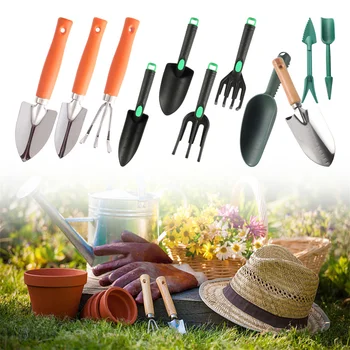
Essential Gardening Tools for Efficiency and Comfort
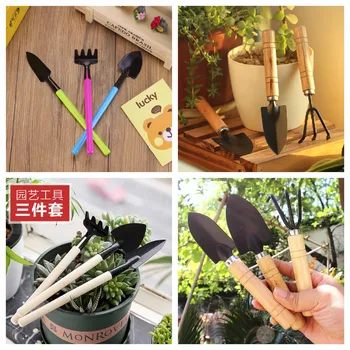
1. Ergonomic Hand Trowel
Choose a trowel with a soft‑grip handle and a stainless‑steel blade. A lightweight design reduces wrist strain, while a slightly curved blade improves soil penetration. Tip: Keep the blade clean after each use to prevent rust and maintain sharpness.

2. Adjustable Pruning Shears
Look for shears with a ratcheting mechanism and a non‑stick coating. Adjustable tension lets you cut both thin stems and thicker branches without crushing the plant tissue. Trick: Sharpen the blades monthly with a fine‑grit sharpening stone for clean cuts that reduce disease risk.
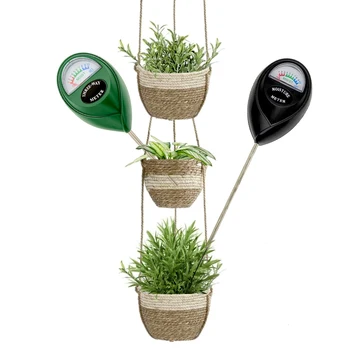
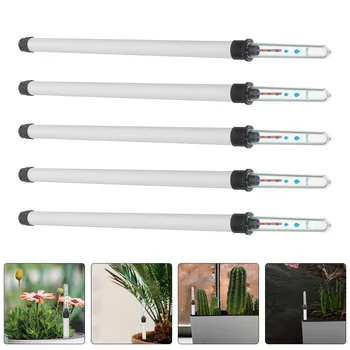
3. Soil Tester (pH & Nutrient Meter)
A digital meter provides instant readings of pH, nitrogen, phosphorus, and potassium levels. Data‑driven adjustments to soil amendments lead to healthier growth. Actionable advice: Test soil in three spots per garden bed, average the results, and adjust with lime (to raise pH) or sulfur (to lower pH) accordingly.
4. Heavy‑Duty Garden Fork
For breaking up compacted soil, a fork with sturdy, tapered tines is essential. It aerates the root zone without over‑working the soil structure. Tip: Use the fork after a light watering; moist soil reduces effort and prevents root damage.
5. Adjustable Garden Kneeler & Seat
This dual‑purpose tool protects knees and back while providing a stable platform for planting. Look for a model with a detachable tool pouch. Trick: Keep a small bottle of hand sanitizer on the side to maintain hygiene between tasks.
DIY Projects to Boost Garden Productivity
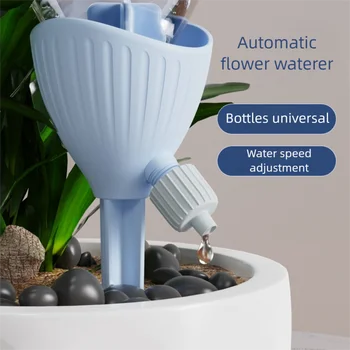
DIY Self‑Watering Planter
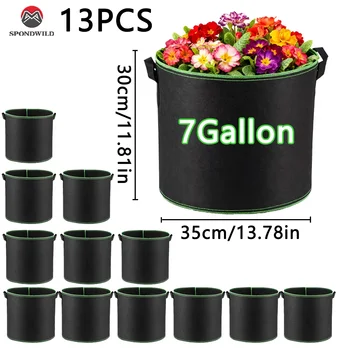
Materials: 5‑gallon bucket, PVC pipe (½ inch), cotton rope, drill.

- Drill a ½‑inch hole near the bottom of the bucket for the PVC pipe.
- Insert the pipe, sealing with silicone to prevent leaks.
- Fill the bucket with soil and plant your seedlings.
- Place the cotton rope through the pipe, extending it into the soil; the rope will wick water from the bucket to the roots.
Tip: Fill the bucket with water once a week; the wicking system reduces watering frequency by up to 40%.
Vertical Herb Garden Using Recycled Pallet
Materials: Wooden pallet, landscape fabric, staple gun, potting soil, herb seedlings.
- Secure landscape fabric to the back of the pallet to hold soil.
- Fill each slot with a mix of 40% compost, 30% peat moss, and 30% perlite.
- Plant herbs (basil, thyme, cilantro) at a depth of ¼ inch.
- Mount the pallet against a sunny wall (6–8 hours of direct sunlight).
Actionable advice: Rotate herbs every two weeks to ensure even growth and prevent shading.
Step‑by‑Step Guide: Growing Juicy Tomatoes
Step 1: Choose the Right Variety
Data from the USDA shows that determinate varieties (e.g., ‘Roma’) yield 20% more in small spaces, while indeterminate types (e.g., ‘Beefsteak’) produce higher total yields over a longer season. Select based on garden size and harvest timeline.
Step 2: Soil Preparation
Tomatoes thrive in a loamy mix with a pH of 6.2–6.8. Use the soil tester to confirm pH, then amend:
- For every 10 sq ft, add 2 lb of aged compost.
- Mix in 1 lb of balanced organic fertilizer (10‑10‑10) for nitrogen, phosphorus, and potassium.
- Incorporate ½ lb of gypsum to improve calcium content and prevent blossom‑end rot.
Tip: After amendment, water the bed lightly and let it settle for 24 hours before planting.
Step 3: Planting
Space seedlings 24–30 inches apart in rows 36 inches apart. Plant deeper than the pot, burying the stem up to the first set of true leaves; this encourages a stronger root system.
Actionable advice: Use a small stake or tomato cage at planting time to avoid root disturbance later.
Step 4: Watering Strategy
Consistent moisture is critical. Research indicates that a 1‑inch water depth per week yields optimal fruit size. Implement a drip‑irrigation line with a flow rate of 2 gph (gallons per hour) per plant.
Tip: Mulch with 2‑3 inches of straw to retain moisture and suppress weeds.
Step 5: Feeding Schedule
Apply a high‑potassium fertilizer (e.g., 5‑10‑10) every 3 weeks after the first fruit set. Use a liquid feed at a concentration of 1 Tbsp per gallon of water.
Trick: Add a pinch of Epsom salt (magnesium sulfate) to each feeding to improve chlorophyll production and fruit sweetness.
Step 6: Pruning & Support
For indeterminate varieties, remove suckers that appear in the leaf axils once they reach 4 inches. This directs energy to fruit development.
Tip: Tie vines to cages using soft garden twine; avoid wire that can cut into stems.
Step 7: Pest Management
Monitor weekly with yellow sticky traps for aphids and whiteflies. If populations exceed 5 traps per plant, spray a neem oil solution (2 Tbsp per gallon) early in the morning.
Actionable advice: Companion plant basil and marigold around tomatoes to naturally repel pests.
Maintenance Tips and Quick Wins
Weekly Soil Check
Use the soil tester every Sunday. If nitrogen drops below 5 ppm, top‑dress with a nitrogen‑rich amendment like blood meal (½ lb per 10 sq ft).
Harvest Timing
Tomatoes reach peak flavor when they turn fully red (or the appropriate color for the variety) and give a slight give under gentle pressure. Harvest every 2–3 days to encourage continued production.
Season Extension
Place a floating row cover over the beds when night temperatures dip below 55 °F. This can extend the harvest window by up to 4 weeks.
Putting It All Together: Your Action Plan
- Day 1–2: Gather essential tools (trowel, shears, tester, fork, kneeler).
- Day 3: Build the self‑watering planter and vertical herb pallet.
- Day 4: Test and amend soil, then plant tomato seedlings.
- Day 5–7: Install drip irrigation, mulch, and set up stakes/cages.
- Weekly: Check soil pH, water depth, and pest traps; adjust feeding.
- Monthly: Prune indeterminate vines, rotate herbs, and refresh compost layers.
By combining the right tools, a few clever DIY projects, and a data‑driven growing routine, you’ll see healthier plants, higher yields, and a garden that feels less like work and more like a personal oasis. Start with these steps, track your results, and tweak as needed—your garden will thank you.