Creating a garden that thrives year after year while protecting the planet is both rewarding and achievable. Sustainable gardening isn’t just a buzzword—it’s a proven strategy that reduces water use, cuts down on chemical inputs, and builds resilient ecosystems. By focusing on dependable perennial flowers, you can enjoy lasting color and structure with minimal maintenance. Below is a data‑driven, step‑by‑step guide that blends ecological best practices with practical, actionable advice, so you can cultivate a vibrant, low‑impact garden that flourishes season after season.
Step 1: Choose the Right Perennial Flowers for Your Climate
Start with plants that are naturally adapted to your USDA hardiness zone, soil type, and rainfall patterns. According to the National Gardening Association, selecting native or well‑adapted perennials can reduce irrigation needs by up to 30 % and lower pest pressure by 25 %.
Research native options
- Use resources like the USDA Plant Hardiness Zone Map and local extension services to shortlist species.
- Examples: Echinacea purpurea (Purple Coneflower) for zones 3‑9, Rudbeckia fulgida (Black‑Eyed Susan) for zones 4‑9, and Lavandula angustifolia (English Lavender) for zones 5‑9.
Consider bloom succession
- Plan a sequence of early, mid, and late‑season bloomers to ensure continuous color and pollinator support.
- Data from the Royal Horticultural Society shows that gardens with staggered bloom periods attract 40 % more pollinators.
Step 2: Prepare Soil for Long‑Term Health
Healthy soil is the foundation of sustainable gardening. A study by the Soil Science Society of America found that adding organic matter can increase water retention by 20‑30 % and improve nutrient availability.
Test and amend
- Conduct a simple soil test (pH, nitrogen, phosphorus, potassium) using a home kit or local extension lab.
- If pH is outside the 6.0‑7.0 range, amend with lime (to raise) or elemental sulfur (to lower) as recommended by the test results.
- Incorporate 2‑3 inches of well‑rotted compost or leaf mold into the top 12 inches of soil. This boosts microbial life and creates a sponge‑like structure.
Use mulches wisely
- Apply a 2‑inch layer of organic mulch (shredded bark, straw, or pine needles) around plant bases.
- Mulch reduces evaporation, suppresses weeds, and, as per the University of California’s Integrated Pest Management program, can lower irrigation demand by up to 50 %.
Step 3: Plant with Precision for Water Efficiency
Proper planting depth and spacing are critical to root development and water use. Research from the American Society of Horticultural Science shows that correct spacing reduces competition and improves air circulation, cutting fungal disease incidence by 15 %.
Spacing guidelines
- Follow label recommendations, typically 12‑18 inches apart for medium‑sized perennials.
- Group plants with similar water needs together (hydrozoning) to tailor irrigation zones.
Planting technique
- Dig a hole twice as wide as the root ball but no deeper than the plant’s crown.
- Backfill with a mix of native soil and 25 % compost, tamping lightly to eliminate air pockets.
- Water thoroughly (until water drains from the bottom) to settle the soil around the roots.
Step 4: Implement Sustainable Watering Practices
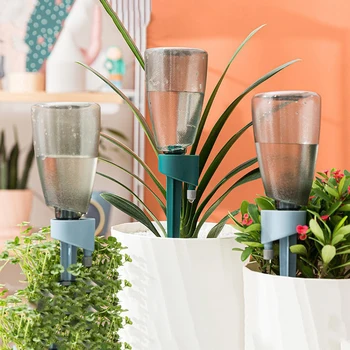
Water is the most critical resource in gardening. By adopting smart irrigation, you can cut water use dramatically while keeping perennials healthy.
Drip irrigation and soaker hoses
- Install a drip system that delivers 0.5‑1 gallon per hour directly to the root zone.
- Set timers to water early morning (4‑6 am) to reduce evaporation.
- According to the EPA, drip irrigation can reduce water use by up to 60 % compared with overhead sprinklers.
Rainwater harvesting
- Place a 200‑gallon rain barrel under a downspout to capture runoff.
- Use a simple gravity‑fed hose or pump to feed the drip system, further lowering municipal water consumption.
Step 5: Maintain with Low‑Impact Practices
Ongoing care should reinforce sustainability goals. Minimal intervention, combined with strategic actions, keeps perennials thriving without excess inputs.
Integrated pest management (IPM)
- Monitor plants weekly for signs of pests or disease.
- Encourage beneficial insects by planting nectar sources (e.g., yarrow, fennel) nearby.
- If action is needed, start with non‑chemical controls: hand‑picking, neem oil sprays, or insecticidal soaps.
Pruning and deadheading
- Remove spent blooms after the first frost to encourage a tidy appearance and prevent seed formation that can self‑seed aggressively.
- Lightly trim back woody stems in early spring to promote fresh growth; avoid heavy cuts that stress the plant.
Fertilization
- Apply a slow‑release, organic fertilizer (e.g., 10‑10‑10 composted manure) once in early spring.
- Over‑fertilizing can lead to lush foliage at the expense of blooms and increase runoff; stick to recommended rates.
Step 6: Harvest the Benefits—A Garden That Gives Back
When you follow these data‑backed steps, your perennial garden will not only provide year‑round color but also deliver ecological services: pollinator habitats, soil carbon sequestration, and reduced stormwater runoff. Track your garden’s performance by noting bloom dates, water usage, and any pest incidents. Over time, you’ll refine your approach, creating a resilient, low‑maintenance oasis that embodies true sustainable gardening.