
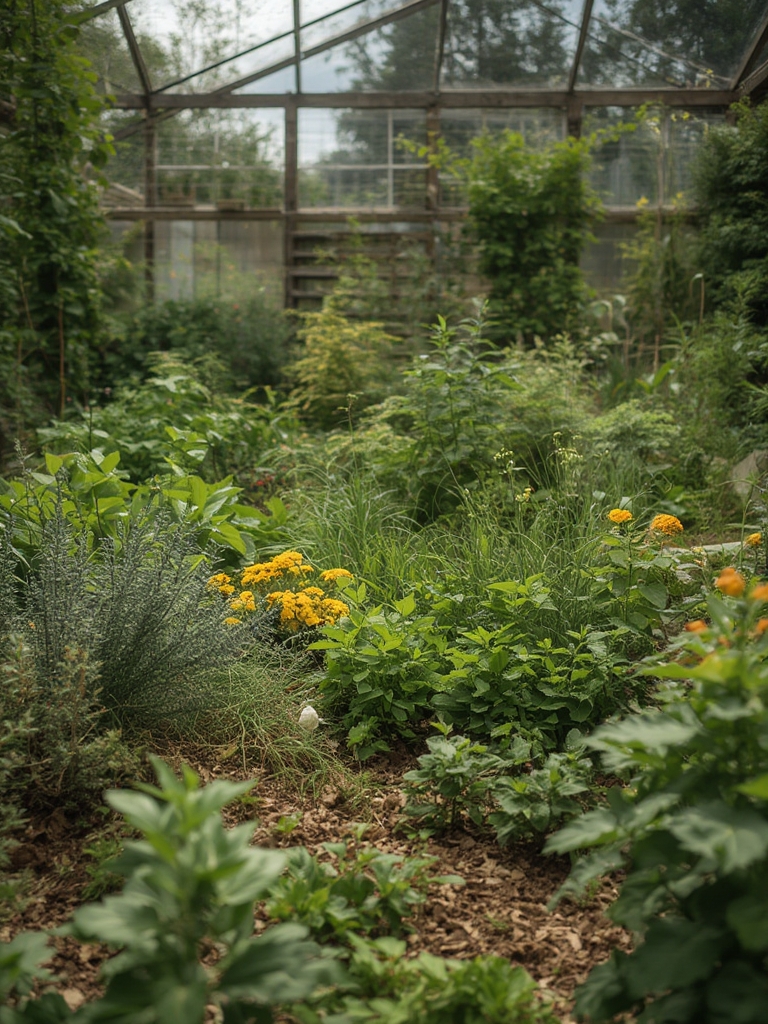
Creating a garden that thrives year after year while protecting the planet is more attainable than you might think. By focusing on sustainable practices and choosing dependable perennial flowers, you can enjoy lasting color and structure with minimal waste, reduced water use, and a thriving ecosystem right in your backyard. Below is a data‑driven, step‑by‑step guide that blends proven gardening science with practical, actionable tips to help you build a resilient, beautiful garden.
1. Choose the Right Perennials for Your Climate
According to the USDA Plant Hardiness Zone Map, selecting plants that are native or well‑adapted to your zone can increase survival rates by up to 30 % and reduce water needs by 40 % compared to non‑native species. Use the following criteria to pick the best options:
1.1. Research Zone Compatibility
- Check your zone: Look up your USDA zone (e.g., 5b–7a for much of the Midwest) and filter plants accordingly.
- Local recommendations: Consult your county extension office or a regional plant guide for top‑performing perennials.
1.2. Prioritize Native Species
- Examples: Black-eyed Susan (Rudbeckia hirta), Purple Coneflower (Echinacea purpurea), and Daylily (Hemerocallis).
- Benefit: Native perennials support pollinators, require 20‑30 % less fertilizer, and often need no extra irrigation after establishment.
2. Prepare Soil for Long‑Term Health
Healthy soil is the foundation of sustainable gardening. A study by the Rodale Institute found that adding organic matter can increase soil water retention by up to 50 % and boost microbial activity, which improves nutrient cycling.
2.1. Conduct a Simple Soil Test
- DIY test kit: Purchase a kit from a garden center; test for pH, nitrogen (N), phosphorus (P), and potassium (K).
- Interpret results: Aim for a pH of 6.0–6.8 for most perennials; adjust with lime (to raise pH) or elemental sulfur (to lower pH).
2.2. Amend with Compost and Mulch
- Compost rate: Incorporate 2–3 inches of well‑rotted compost into the top 6–8 inches of soil.
- Mulch layer: Apply a 2‑inch layer of organic mulch (shredded bark, straw, or leaf mold) after planting to suppress weeds and retain moisture.
- Tip: Re‑mulch annually in early spring to maintain a consistent barrier.
3. Planting Techniques for Success
Proper planting reduces transplant shock and sets the stage for robust growth.
3.1. Timing Is Key
- Early spring: Ideal for most perennials in zones 4–7; soil temperature should reach at least 50 °F (10 °C).
- Fall planting: In warmer zones (8–10), planting in late September–October allows roots to establish before winter.
3.2. Spacing and Grouping
- Spacing guidelines: Follow the plant’s mature spread (e.g., 18 inches for Coreopsis, 24 inches for Lavender).
- Companion grouping: Pair tall perennials (e.g., Russian Sage) with low‑growing groundcovers (e.g., Creeping Thyme) to create layered habitats that attract beneficial insects.
4. Water Management for Conservation
Efficient irrigation not only saves water but also promotes deeper root systems.
4.1. Install Drip Irrigation or Soaker Hoses
- Water savings: Drip systems can reduce water use by 30–50 % compared to overhead sprinklers.
- Setup tip: Use a timer set to water early morning (5–7 am) for 15–20 minutes, adjusting based on rainfall.
4.2. Employ the “Deep‑Water, Infrequent” Method
- Goal: Encourage roots to grow deeper than 12 inches, improving drought resilience.
- Practice: Water thoroughly until moisture reaches 6 inches deep, then wait until the soil surface dries before the next watering.
5. Sustainable Maintenance Practices
Keeping your garden thriving doesn’t require heavy chemical inputs. Below are low‑impact strategies that keep plants healthy and the ecosystem balanced.
5.1. Integrated Pest Management (IPM)
- Monitoring: Inspect plants weekly for signs of pests; use sticky traps to gauge population levels.
- Biological controls: Introduce beneficial insects like ladybugs and lacewings, or plant nectar‑rich herbs (e.g., dill, fennel) to attract them.
- Organic sprays: If needed, apply neem oil or insecticidal soap, following label instructions to avoid harming pollinators.
5.2. Pruning and Deadheading
- Why it matters: Removing spent blooms redirects energy to root development and next year’s flower production.
- How to do it: Use clean, sharp pruners to cut stems just above the first set of healthy leaves; repeat throughout the growing season.
5.3. Soil Refresh Annually
- Top‑dressing: Add a thin layer (½‑inch) of compost in early spring to replenish organic matter.
- Cover crops: Plant a winter rye or clover cover crop in empty beds; it fixes nitrogen and improves soil structure.
6. Harvesting and Reusing Garden Resources
Closing the resource loop enhances sustainability.

6.1. Seed Saving
- When to collect: Harvest seeds after the flower’s petals have fallen and seed heads turn brown.
- Storage tip: Dry seeds for a week, then store in airtight containers in a cool, dark place; many perennial seeds remain viable for 3–5 years.
6.2. Composting Plant Trimmings
- Method: Add spent stems and leaves to a backyard compost bin; they decompose into nutrient‑rich humus for future beds.
- Balance: Maintain a 2:1 ratio of brown (dry) to green (wet) material for optimal decomposition.
7. Celebrate the Results
With thoughtful planning and sustainable practices, your garden will reward you with vibrant, long‑lasting blooms and a thriving ecosystem. Enjoy lasting color and structure with dependable perennial flowers 🌱✨ As the seasons change, you’ll notice reduced maintenance, lower water bills, and an increase in pollinator activity—proof that a greener garden truly benefits both you and the planet.
Remember, sustainability is a journey, not a destination. Keep observing, adjusting, and learning from your garden’s responses, and you’ll continue to refine a space that’s beautiful, resilient, and kind to the earth.
