Welcome to your ultimate guide on sustainable gardening—where eco‑friendly practices meet thriving, beautiful green spaces. By integrating data‑driven techniques, you’ll not only reduce your environmental footprint but also boost plant health, save water, and enjoy a garden that looks great all year round. Below you’ll find clear, step‑by‑step instructions, practical tips, and seasonal decor ideas to keep your outdoor area fresh and inviting 🍁🌸❄️.
Step 1: Assess and Plan Your Garden Space
Effective sustainable gardening starts with a solid plan. According to the EPA, well‑planned gardens can reduce water use by up to 30 %.
1.1 Conduct a Site Survey
- Sunlight mapping: Track sun exposure for a full week. Use a simple notebook or a free app to note which areas receive full sun (6+ hours), partial shade (3–6 hours), or full shade (0–3 hours). This data guides plant selection.
- Soil testing: Purchase a basic pH test kit (≈ $10). Aim for a pH of 6.0–7.0 for most vegetables. Record nutrient levels (N‑P‑K) to determine amendment needs.
- Water source analysis: Identify where water comes from (municipal, rain barrel, well). Calculate average weekly usage to set realistic irrigation goals.
1.2 Sketch a Garden Layout
Use graph paper or a free online tool like Garden Planner. Allocate zones based on sunlight data, group plants with similar water needs, and reserve a 2‑square‑meter area for compost.
Step 2: Build Healthy, Sustainable Soil
Healthy soil is the foundation of any sustainable garden. Research from the Journal of Soil Science shows that adding organic matter can increase water retention by 20–30 %.
2.1 Amend with Compost
- Start a kitchen compost: Collect fruit/veg scraps, coffee grounds, and eggshells. Avoid meat and dairy to prevent pests.
- Layer technique: Alternate 2 inches of brown material (dry leaves, shredded paper) with 1 inch of green material (food waste). Turn the pile every 2 weeks to speed decomposition.
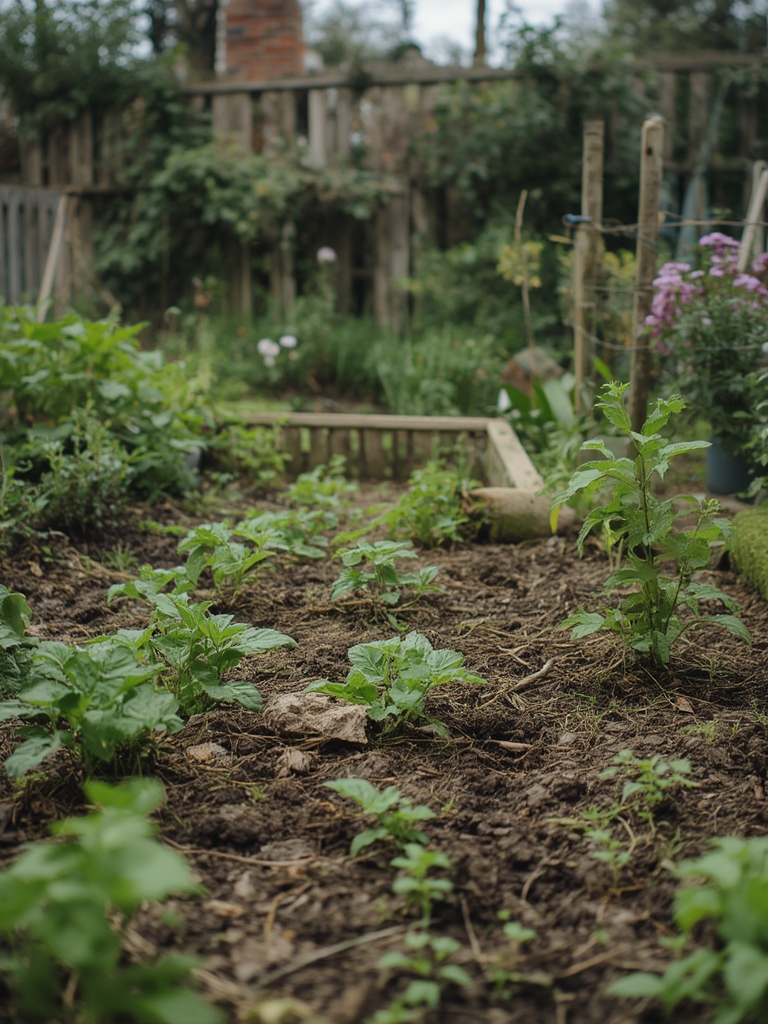
- Application rate: Spread a 2‑inch layer of finished compost over planting beds and work it into the top 6 inches of soil.
2.2 Use Mulch for Moisture Retention
Mulching reduces evaporation and suppresses weeds. Data from the University of California Agriculture and Natural Resources indicates that organic mulches can cut irrigation needs by up to 50 %.
- Materials: Straw, shredded bark, or pine needles.
- Depth: 3–4 inches, keeping mulch a few centimeters away from plant stems.
Step 3: Implement Water‑Smart Irrigation
Water conservation is a cornerstone of sustainable gardening. The USDA reports that drip irrigation can save 30–50 % more water than overhead sprinklers.
3.1 Install Drip Irrigation
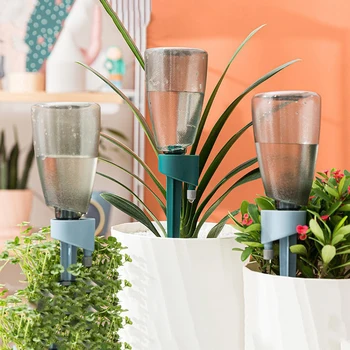
- Design: Run main tubing from a water source to each plant row. Attach emitters (0.5–2 gph) directly at the base of each plant.
- Timing: Set timers for early morning or late evening to minimize evaporation. Start with 15‑minute cycles and adjust based on soil moisture readings.
3.2 Harvest Rainwater
Collecting rainwater reduces reliance on municipal supply. A 200‑liter rain barrel can provide enough water for a 10‑square‑meter garden during a dry spell.

- Installation tip: Place the barrel on a raised platform and connect it to your drip system with a simple float valve.
- Maintenance: Clean the barrel twice a year to prevent mosquito breeding.
Step 4: Choose and Plant Sustainable Species
Opt for native or drought‑tolerant plants that require less fertilizer and water. According to a 2022 study by the National Wildlife Federation, native plants support 40 % more pollinators than non‑native varieties.
4.1 Selecting Plants
- Native herbs: Salvia officinalis (sage), Thymus serpyllum (wild thyme).
- Drought‑tolerant veggies: Swiss chard, kale, and cherry tomatoes.
- Perennial pollinator magnets: Echinacea, coneflower, and bee balm.
4.2 Planting Technique
- Dig a hole twice as wide as the root ball but no deeper.
- Mix 25 % compost with native soil for backfill.
- Place the plant, backfill gently, and water thoroughly.
- Apply a thin mulch ring (2 inches) around the base.
Step 5: Ongoing Maintenance for Long‑Term Success
Consistent, low‑impact care keeps your garden thriving while preserving resources.
5.1 Integrated Pest Management (IPM)
- Monitoring: Inspect leaves weekly for signs of pests.
- Biological controls: Release ladybugs or use neem oil (1 tsp per gallon) for aphid outbreaks.
- Physical barriers: Install row covers during peak pest seasons.
5.2 Seasonal Pruning and Harvesting
Pruning improves air circulation, reducing disease risk. Harvest vegetables regularly—this encourages continuous production and prevents over‑ripe, wasteful crops.
Step 6: Refresh Your Outdoor Space Year‑Round with Seasonal Garden Décor Ideas 🍁🌸❄️
Seasonal décor not only adds visual interest but also supports sustainability when you use recycled or natural materials.
6.1 Autumn (🍁)
- Create a DIY pumpkin vase using a hollowed pumpkin, filled with dried wheat stalks.
- Scatter fallen, cleaned leaves as a natural mulch for ornamental beds.
6.2 Spring (🌸)
- Hang reclaimed wooden pallets as vertical herb gardens.
- Use painted mason jars as hanging lanterns for evening ambiance.
6.3 Winter (❄️)
- Wrap a reclaimed metal bucket with burlap and fill it with evergreen branches for a rustic centerpiece.
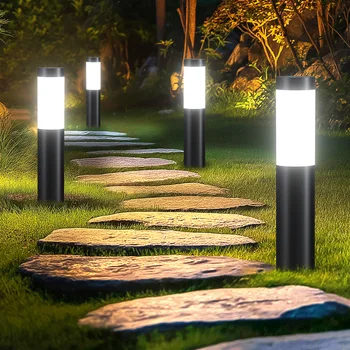
- Install solar‑powered garden lights to highlight ever‑green shrubs without adding to the electric bill.
Data‑Driven Benefits of Sustainable Gardening
Implementing the steps above yields measurable results:
- Water savings: Up to 45 % reduction in usage (drip + mulch).
- Soil health: Organic matter increase of 2–3 % per year, boosting nutrient availability.
- Carbon footprint: Composting kitchen waste can cut household greenhouse gases by ~0.5 kg CO₂e per month.
Quick Action Checklist
- Map sunlight and test soil pH.
- Set up compost and apply a 2‑inch mulch layer.
- Install drip irrigation and connect a rain barrel.
- Choose native/drought‑tolerant plants and plant using the soil‑mix method.
- Implement IPM, prune, and harvest regularly.
- Refresh décor each season using recycled or natural items.
By following this data‑backed, step‑by‑step guide, you’ll cultivate a garden that’s not only beautiful and productive but also kind to the planet. Happy sustainable gardening!