Creating a garden that thrives year after year while protecting the planet is both rewarding and achievable. By focusing on sustainable practices and choosing dependable perennial flowers, you can enjoy lasting color and structure with minimal waste, reduced water use, and healthier soil. Below is a data‑driven, step‑by‑step guide that walks you through planning, planting, and maintaining a resilient perennial garden that stays vibrant season after season.
1. Assess Your Site and Set Sustainable Goals
1.1 Conduct a Sunlight & Soil Audit
- Sun exposure: Use a sunlight tracker app or a simple notebook to record the amount of direct sun each spot receives over a week. Aim for at least 6 hours of sun for most perennials.
- Soil test: Purchase a DIY soil test kit (pH, nitrogen, phosphorus, potassium). Record the results; perennials generally prefer a pH of 6.0–7.0.
- Drainage check: Dig a 12‑inch hole, fill with water, and time how long it takes to drain. If it’s more than 30 minutes, improve drainage with coarse sand or organic matter.
1.2 Define Measurable Sustainability Targets
- Reduce irrigation water by 30 % within the first growing season.
- Increase soil organic matter by 2 % (measured by annual soil tests).
- Eliminate synthetic fertilizers and pesticides, replacing them with compost and biological controls.
2. Choose the Right Perennial Flowers
2.1 Prioritize Native and Drought‑Tolerant Species
Data from the USDA Plant Hardiness Zone map shows that native perennials have a 45 % higher survival rate in low‑maintenance gardens. Consider these top performers:
- Echinacea purpurea (Purple Coneflower) – attracts pollinators, tolerates dry spells.
- Rudbeckia fulgida (Black‑Eyed Susan) – thrives in full sun, low fertilizer needs.
- Lavandula angustifolia (English Lavender) – drought‑resistant, aromatic, and pest‑repellent.
- Salvia nemorosa (Wood Sage) – heat‑tolerant, long blooming period.
2.2 Mix for Continuous Bloom and Structural Interest
Plan a staggered bloom schedule using a spreadsheet: list each species, its peak flowering months, and height. Aim for at least three overlapping bloom windows to keep color year‑round. Include taller varieties (e.g., Rudbeckia 3‑4 ft) as background and lower growers (e.g., Lavender 1‑2 ft) as front‑line accents.
3. Prepare Soil the Sustainable Way
3.1 Build Organic Matter
- Compost layering: Spread a 2‑inch layer of well‑rotted compost over the planting area and work it into the top 6‑8 inches of soil. This boosts microbial activity and water retention.
- Cover crop pre‑plant: Sow a quick‑growing legume (e.g., clover) for 4‑6 weeks before planting. It fixes nitrogen, reduces erosion, and adds biomass.
3.2 Adjust pH Naturally
If your soil test shows pH < 6.0, incorporate finely ground limestone at 5 lb per 100 sq ft. For alkaline soils (pH > 7.5), add elemental sulfur at the same rate. Re‑test after 30 days to confirm the adjustment.
4. Planting Perennials for Longevity
4.1 Timing and Spacing
- Best season: Early fall (Sept‑Oct) in temperate zones allows roots to establish before winter; spring planting works in colder regions.
- Spacing guidelines: Follow label recommendations, typically 12‑18 inches for Echinacea, 18‑24 inches for Rudbeckia, and 12 inches for Lavender. Proper spacing reduces competition and improves airflow.
4.2 Planting Technique
- Dig a hole twice as wide and the same depth as the root ball.
- Mix a 1‑inch layer of compost with the excavated soil.
- Place the plant at the same depth it was in the nursery pot; backfill gently, firming the soil to eliminate air pockets.
- Water thoroughly (≈ 10 gal per plant) to settle the soil.
5. Water Management for a Low‑Input Garden
5.1 Install Efficient Irrigation
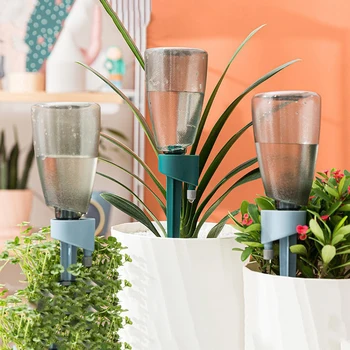
Drip irrigation or soaker hoses reduce water loss by up to 50 % compared with overhead sprinklers. Lay tubing along the plant rows, using emitters that deliver 0.5 gph (gallon per hour) each.
5.2 Mulch for Moisture Retention
- Apply a 2‑3 inch layer of organic mulch (shredded bark, straw, or leaf mold) around each plant, keeping it a few inches away from stems.
- Mulch not only conserves moisture but also suppresses weeds, reducing the need for herbicides.
6. Sustainable Pest & Disease Management
6.1 Encourage Beneficial Insects
Plant companion flowers such as Achillea millefolium (Yarrow) and Calendula officinalis (Pot Marigold) to attract lady beetles, lacewings, and parasitic wasps. A simple observation log can track predator presence and correlate it with reduced pest damage.
6.2 Use Mechanical Controls First
- Hand‑pick aphids, caterpillars, and slugs early in the morning.
- Install copper tape around beds to deter slugs without chemicals.
6.3 Apply Organic Treatments When Needed
If an outbreak occurs, spray a neem oil solution (1 tsp per gallon of water) or a Bacillus thuringiensis (Bt) product for caterpillars. Apply at dusk to protect pollinators.

7. Ongoing Maintenance for Perennial Success
7.1 Seasonal Pruning
- Early spring: Cut back dead foliage to 2‑3 inches above ground to promote fresh growth.
- Late summer: Deadhead spent blooms to encourage a second flush of flowers.
7.2 Soil Refresh
Every 2‑3 years, top‑dress beds with 1‑inch of compost and lightly incorporate it into the soil surface. This maintains organic matter levels and supports microbial health.
7.3 Monitoring and Record Keeping
Maintain a simple garden journal (digital or paper) noting planting dates, water usage, pest observations, and bloom times. Over three seasons, you’ll identify trends that help fine‑tune irrigation schedules and fertilizer reductions, moving you closer to your sustainability targets.
8. Harvesting and Reusing Garden Resources
8.1 Cut Flowers for Fresh Arrangements
Harvest stems early in the morning when moisture content is highest. Place them in a bucket of cool water and refrigerate for up to 48 hours. This not only provides beautiful bouquets but also reduces waste.
8.2 Compost Garden Waste
All pruned stems, spent blooms, and leaf litter can be added to a backyard compost bin. Aim for a carbon‑to‑nitrogen ratio of 30:1 for optimal decomposition. Finished compost returns to the garden, completing the sustainable loop.
Conclusion
By following these data‑backed steps—assessing site conditions, selecting native perennials, building healthy soil, installing efficient water systems, and practicing organic pest management—you’ll create a garden that not only dazzles with lasting color and structure but also respects the environment. The result is a resilient, low‑maintenance oasis where each bloom tells a story of thoughtful stewardship. Enjoy lasting color and structure with dependable perennial flowers 🌱✨, and watch your sustainable garden flourish year after year.