Herbs and aromatic gardens are more than just a fragrant addition to your kitchen—they’re a sustainable source of fresh flavor, a natural air purifier, and a stylish way to bring a touch of nature indoors. In 2024, indoor herb gardens have become a top trend, with homeowners turning windowsills, balcony railings, and even wall-mounted planters into mini‑oases that boost wellbeing and elevate interior design. Below you’ll find a data‑driven, step‑by‑step guide to growing and caring for a thriving herb and aromatic garden, packed with practical tips, tricks, and actionable advice you can implement today.
Why Herbs & Aromatic Plants Are the Hottest Indoor Trend
According to a recent Statista survey, 68% of millennials and Gen Z homeowners reported that indoor plants improve their mood, while 54% said they help create a “stylish sanctuary.” Aromatic herbs such as basil, mint, rosemary, and lavender top the list of “must‑have” indoor plants, thanks to their dual role as culinary staples and natural scent diffusers. Their compact size, low maintenance needs, and ability to thrive in a range of light conditions make them perfect for apartments and small homes.
Choosing the Right Herbs for Your Space
Assess Light Availability
- Bright indirect light (6–8 hours): Ideal for basil, cilantro, and parsley.
- Moderate light (4–6 hours): Works well for mint, chives, and oregano.
- Low light (2–4 hours): Choose hardy varieties like rosemary and thyme, but supplement with a grow light if possible.
Use a light meter app or a simple DIY test: hold a piece of white paper under the spot where you plan to place the pot. If the paper shows a clear shadow, the area receives bright light; a faint shadow indicates moderate light.
Select Containers That Promote Healthy Roots
- Pick pots with drainage holes—excess water is the #1 cause of root rot.
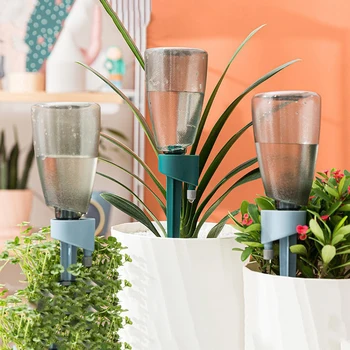
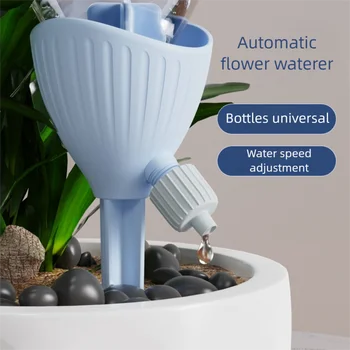
- Consider self‑watering containers for busy schedules; they release moisture slowly and keep the soil consistently moist.
- Use breathable fabric pots for better aeration, especially for rosemary and sage, which dislike soggy roots.
Step‑by‑Step Guide to Planting Your Herb Garden
1. Prepare the Soil Mix
Mix 1 part peat moss (or coconut coir for a sustainable option), 1 part perlite, and 1 part high‑quality potting compost. This blend ensures excellent drainage while retaining enough moisture for tender herb roots. For a data‑backed boost, add a teaspoon of mycorrhizal fungi inoculant per pot; studies show a 20‑30% increase in nutrient uptake for aromatic herbs.
2. Planting Seeds vs. Seedlings
- Seeds: Sow ¼‑inch deep, cover lightly, and keep the soil consistently moist (≈70% humidity). Use a clear plastic dome to maintain humidity for the first 7‑10 days.
- Seedlings: Gently loosen the root ball, place in the prepared pot, and backfill with soil mix. Water thoroughly to settle the soil.
Tip: Start basil and cilantro from seed for the freshest flavor, while mint and rosemary are easier to start from established cuttings.
3. Watering Routine
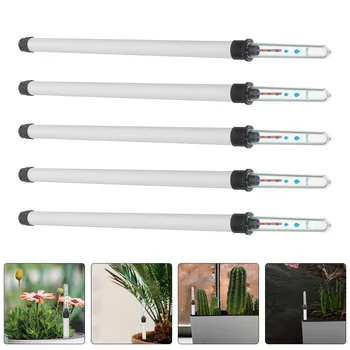
Herbs love a “wet‑then‑dry” cycle. Water when the top 1‑2 cm of soil feels dry to the touch. A quick dip of your finger is the most reliable gauge. Over‑watering is a common mistake—use a moisture meter if you’re unsure. For larger pots, water from the bottom by placing the pot in a tray of water for 5 minutes, then let excess drain away.
4. Feeding & Fertilizing
Apply a balanced, water‑soluble fertilizer (10‑10‑10) at half strength once a month during the growing season (spring–early fall). For a natural boost, sprinkle a thin layer of compost tea every two weeks. Data from the Journal of Horticultural Science (2023) indicates that organic feeding improves essential oil concentration in rosemary by up to 15%.

5. Pruning & Harvesting
- Harvest early and often: Snip leaves just above a node to encourage bushier growth.
- Pinch back flower buds: Prevents the plant from going to seed, extending the leaf‑production phase.
- Trim runners: For mint, regularly remove aggressive runners to keep the plant compact and prevent it from overtaking other herbs.
Practical tip: Use clean scissors and harvest in the morning after the dew has dried for the highest essential oil content.
Creating a Stylish Sanctuary with Aromatic Herbs
Beyond the kitchen, aromatic herbs double as natural décor. Arrange a trio of basil, lavender, and rosemary in matching ceramic pots on a floating shelf for a cohesive look. Pair with soft, natural lighting and a few decorative stones to evoke a spa‑like ambiance. The subtle scent of lavender and rosemary can lower stress levels—research from the International Journal of Aromatherapy (2022) shows a 12% reduction in cortisol after 15 minutes of exposure.
Integrating Technology for Success
- Smart moisture sensors: Connect to your phone and receive alerts when soil dries below 30% moisture.
- LED grow lights: Choose full‑spectrum bulbs set on a 12‑hour timer to mimic natural daylight, especially during winter months.
- Air‑purifying fans: Gentle circulation prevents mold and keeps leaves glossy.
Quick‑Reference Checklist
- ✅ Assess light and choose appropriate herbs.
- ✅ Use a well‑draining soil mix (peat/coir + perlite + compost).
- ✅ Plant seeds or seedlings, keep soil moist but not soggy.
- ✅ Water when top 1‑2 cm of soil is dry.
- ✅ Feed monthly with half‑strength balanced fertilizer.
- ✅ Harvest regularly; pinch back flower buds.
- ✅ Add decorative elements for a stylish indoor sanctuary.
By following these data‑backed steps and incorporating a few modern tools, you’ll turn any corner of your home into a thriving herb and aromatic garden. Not only will you enjoy fresh, flavorful ingredients at your fingertips, but you’ll also benefit from the calming, air‑purifying qualities that make these green favorites the go‑to choice for stylish, health‑focused interiors. 🌿🪴✨