
Welcome to the world of garden transformation! Whether you’re just starting out or looking to refresh an existing space, Modern Landscaping Ideas can turn any backyard into a stylish, functional oasis. This guide walks you through easy‑to‑implement concepts, practical tips, and common pitfalls to avoid, all while keeping the tone friendly and approachable for beginner gardeners.
Why Embrace Modern Landscaping?
Modern landscaping blends clean lines, sustainable practices, and a mix of textures to create a space that feels both contemporary and inviting. By focusing on simplicity, low‑maintenance plants, and thoughtful design, you’ll enjoy a garden that looks great year‑round without demanding endless hours of upkeep.
Key Elements of Modern Landscaping
1. Minimalist Hardscapes
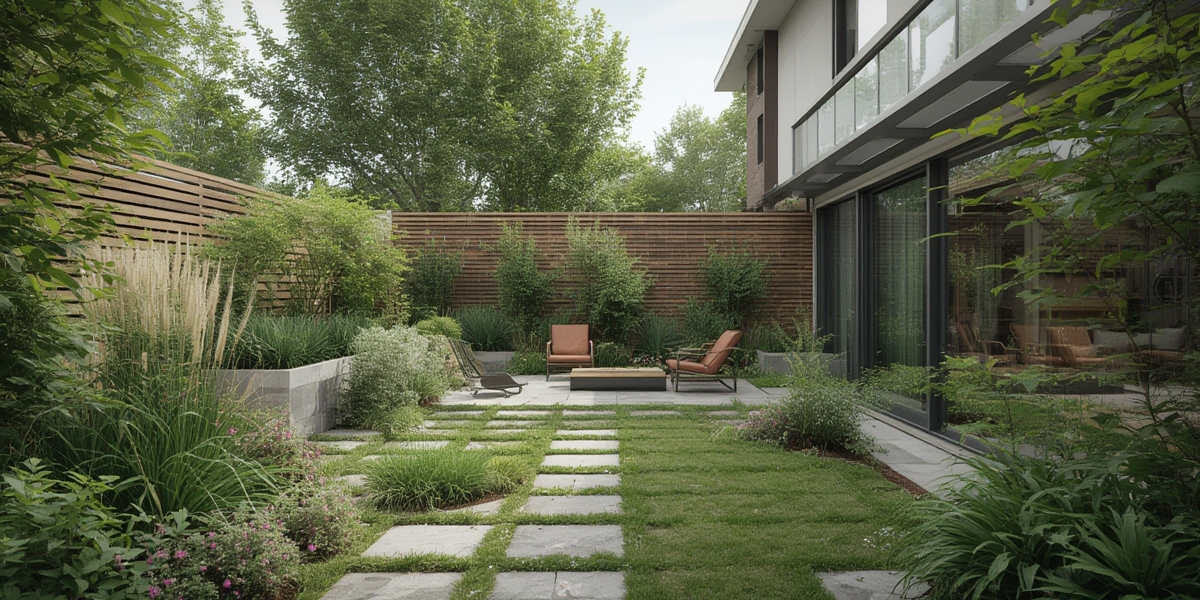
Hardscapes—paths, patios, and retaining walls—form the backbone of a modern garden. Choose materials like smooth concrete, large stone slabs, or reclaimed wood. Keep the layout simple: straight lines or gentle curves that guide the eye without overwhelming the space.
2. Native and Drought‑Tolerant Plants
Using plants that thrive in your local climate reduces water use and maintenance. Look for grasses, succulents, and perennials that stay vibrant with minimal irrigation. Group plants with similar water needs together for an efficient watering system.
3. Structured Planting Design
Think of planting as a series of layers—groundcovers, mid‑height foliage, and vertical accents. Use geometric planting beds or raised planters to create clean edges. Repeating the same plant species in multiple spots adds cohesion while keeping the design fresh.
4. Functional Outdoor Living Areas
Modern gardens often include zones for relaxation, dining, or play. A modest patio with a low‑profile sofa, a fire pit, or a simple pergola can become the centerpiece of your outdoor living experience.
Practical Tips to Implement Modern Landscaping Ideas
Plan with a Sketch
Start by drawing a rough layout on graph paper or using a free online garden planner. Mark where hardscapes, plant beds, and functional zones will sit. This visual roadmap helps you stay organized and avoid costly changes later.
Select a Cohesive Color Palette
Choose 2–3 complementary colors for foliage and hardscape materials. Neutral tones like gray, white, and black pair well with the deep greens of foliage, while a pop of color—such as lavender or goldenrod—adds visual interest without clutter.
Use Mulch for Cleanliness and Moisture Retention
Apply a 2–3 inch layer of organic mulch (bark, wood chips, or straw) around your plants. Mulch suppresses weeds, conserves moisture, and gives planting beds a tidy appearance that aligns with modern aesthetics.
Incorporate Low‑Maintenance Lighting
Strategic LED lighting can highlight pathways, accent plants, and create ambiance after dark. Solar‑powered fixtures are eco‑friendly and easy to install—just place them where they receive ample sunlight during the day.
Install Efficient Irrigation
Drip irrigation or soaker hoses deliver water directly to the root zone, reducing waste. Pair this with a timer to automate watering, ensuring your garden receives consistent moisture without daily manual effort.
Common Mistakes to Avoid
Overcrowding Plants
Modern design thrives on space. Planting too many species too close together creates a chaotic look and can lead to competition for nutrients and water. Follow recommended spacing guidelines for each plant and allow room for growth.
Ignoring Soil Health
Even the most beautiful design will falter if the soil is poor. Test your soil’s pH and nutrient levels before planting. Amend with compost or well‑rotted organic matter to improve structure and fertility.
Choosing the Wrong Hardscape Materials
While sleek concrete looks modern, it can become slippery when wet. Opt for textured finishes or add anti‑slip additives. Also, avoid overly ornate stone that clashes with a minimalist aesthetic.
Neglecting Seasonal Changes
Plants that look great in summer may lose their appeal in winter. Incorporate evergreen elements—such as ornamental grasses or dwarf conifers—to maintain visual interest year‑round.
Skipping Proper Drainage
Poor drainage can cause water pooling, damaging both plants and hardscapes. Ensure that patios slope away from structures and that planting beds have adequate drainage layers (gravel beneath soil).
Step‑by‑Step Mini Project: A Modern Pocket Garden
Materials Needed
- Concrete pavers (4‑6 pieces)
- Geotextile fabric
- Gravel (1‑2 inches)
- High‑quality potting soil
- Native succulents (e.g., Sedum, Echeveria)
- Low‑maintenance ornamental grass (e.g., Blue Fescue)
- Mulch
- Solar LED pathway lights
Steps
- Mark the Area: Use a garden hose or string to outline a 6‑foot square in a sunny corner.
- Prepare the Base: Remove existing grass, lay geotextile fabric, then spread a 2‑inch layer of gravel for drainage.
- Lay the Pavers: Arrange concrete pavers in a simple grid, leaving a ¼‑inch gap for sand filling later.
- Fill Gaps: Sweep sand into the gaps and compact with a rubber mallet.
- Build Plant Beds: On two opposite sides, create raised beds using the remaining pavers, filling them with potting soil.
- Plant: Place succulents in clusters, leaving space for the ornamental grass to add height and movement.
- Mulch: Apply a thin layer of mulch to retain moisture and keep the design tidy.
- Light It Up: Insert solar LED lights along the paver edges for a subtle evening glow.
This compact project demonstrates how Modern Landscaping Ideas can be applied even in limited spaces, delivering a polished look with minimal effort.
Maintenance Checklist for a Modern Garden
- Weekly: Remove weeds, check irrigation system for clogs, and sweep pathways.
- Monthly: Prune dead foliage, refresh mulch if it thins out, and inspect lighting fixtures.
- Seasonally: Test soil pH, add compost, and rotate plantings to keep the garden fresh.
Conclusion
Integrating Modern Landscaping Ideas into your garden doesn’t require a professional designer—just a clear vision, a few essential tools, and an understanding of the basics. By focusing on clean hardscapes, native plant selections, and thoughtful layout, you’ll create a space that feels contemporary, low‑maintenance, and uniquely yours. Remember to plan ahead, respect plant spacing, and maintain good soil health, and you’ll enjoy a beautiful garden that grows more inviting with each passing season.