
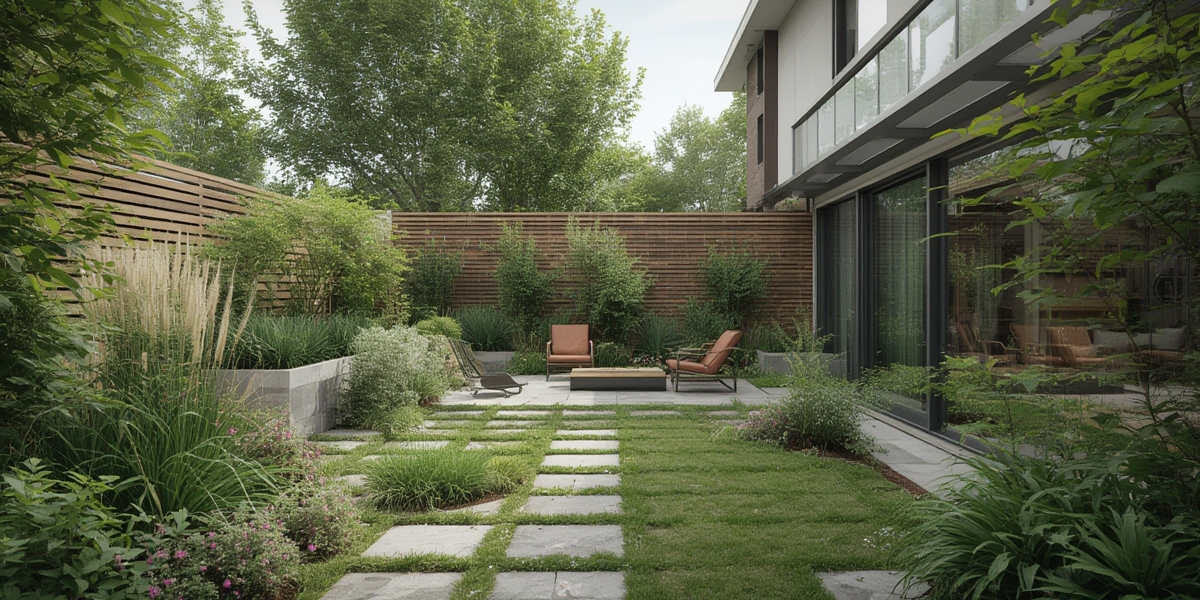
Welcome to the world of effortless green spaces! If you’ve ever dreamed of a garden that looks great year‑round without demanding endless hours of weeding, watering, and pruning, you’re in the right place. In this guide we’ll explore Modern Gardening Techniques for a Low Maintenance Garden that blend smart planning, smart technology, and simple habits. Whether you have a tiny balcony or a spacious backyard, these strategies will help you create a thriving oasis that practically takes care of itself.
Why Choose Low‑Maintenance Gardening?
Low‑maintenance gardening isn’t about giving up on beauty; it’s about working smarter, not harder. By selecting the right plants, soil, and tools, you reduce the time spent on chores while still enjoying fresh blooms, herbs, and even fresh produce. The key is to focus on sustainability, water efficiency, and resilient plant choices that thrive with minimal intervention.
Planning Your Garden Layout
1. Map Out Sunlight Zones
Start by observing how sunlight moves across your garden throughout the day. Most plants need at least 4–6 hours of direct sun, while shade‑loving varieties thrive in the cooler, darker corners. Sketch a simple diagram labeling “Full Sun,” “Partial Shade,” and “Full Shade.” This map will guide your plant placement and prevent future disappointment.
2. Group Plants by Water Needs (Hydrozoning)
Hydrozoning is a modern technique that groups plants with similar water requirements together. This reduces over‑watering and conserves water. Place drought‑tolerant succulents, lavender, and ornamental grasses in one zone, and moisture‑loving herbs like basil and mint in another. When you install an irrigation system, each zone can be watered independently, saving both time and resources.
3. Use Mulch to Suppress Weeds
Mulch is a gardener’s best friend for low‑maintenance spaces. A 2‑inch layer of organic mulch (shredded bark, straw, or compost) keeps soil moist, regulates temperature, and blocks weed growth. It also slowly breaks down, enriching the soil with nutrients—meaning fewer fertilizing trips for you.
Smart Plant Selections
1. Choose Perennials Over Annuals
Perennials return year after year, eliminating the need to replant each season. Look for low‑maintenance varieties such as coneflowers, daylilies, and ornamental grasses. These plants establish strong root systems, require less water once established, and often attract pollinators without extra effort.
2. Opt for Native Species
Native plants are already adapted to your local climate, soil, and pests. They typically need less water, fertilizer, and chemical treatments. Examples include black-eyed Susans in the Midwest, coastal sagebrush in California, and heather in the Northeast. Check your local extension service for a list of native options that fit your garden’s style.
3. Incorporate Edible Low‑Maintenance Crops
If you want fresh herbs or vegetables without the hassle, select varieties that are naturally resilient. Herbs like rosemary, thyme, and oregano love dry conditions and need minimal pruning. For vegetables, consider perennial beans, asparagus, or dwarf fruit trees that require only occasional pruning and harvesting.
Modern Irrigation Techniques
1. Drip Irrigation Systems
Drip lines deliver water directly to the root zone, reducing evaporation and runoff. They’re especially effective when paired with hydrozoning. Many affordable kits come with timers, allowing you to set watering schedules that match each zone’s needs. A well‑installed drip system can cut water usage by up to 50% compared to traditional sprinklers.
2. Smart Controllers and Moisture Sensors
Upgrade your timer with a smart controller that connects to Wi‑Fi. These devices can adjust watering based on real‑time weather data, soil moisture levels, and plant growth stages. Some models even send alerts to your phone if a leak is detected, preventing waste and protecting your garden.
3. Rain Barrels and Water Harvesting
Collecting rainwater is a sustainable way to supplement your irrigation. Install a rain barrel with a simple diverter kit to capture runoff from gutters. Use a gravity‑fed hose or connect it to your drip system for an eco‑friendly water source that reduces your utility bill.
Low‑Maintenance Soil Management
1. Soil Testing and Amendments
Before planting, test your soil’s pH and nutrient levels using a home kit or a local cooperative extension service. Based on the results, amend the soil with compost, peat moss, or lime to create a balanced growing medium. Healthy soil means stronger plants that need less fertilizing.
2. Use Raised Beds or Containers
Raised beds improve drainage, reduce soil compaction, and make gardening easier on the back. They also allow you to control soil composition precisely. For balconies or small spaces, containers filled with a high‑quality potting mix provide the same benefits and can be moved to catch the best sunlight.
3. Implement Cover Crops
Planting cover crops like clover or winter rye during the off‑season protects soil from erosion, adds organic matter, and suppresses weeds. When you’re ready to plant your main crops, simply cut the cover crop down and work it into the soil as a natural fertilizer.
Practical Maintenance Routines
1. Weekly Quick Checks
Spend just 10–15 minutes each week walking through your garden. Look for signs of stress—wilting leaves, pests, or dry soil. A quick visual inspection helps you catch problems early before they become major issues.
2. Seasonal Pruning and Clean‑Up
In early spring, remove any dead or damaged stems and thin out overcrowded areas. This encourages healthy growth and improves air circulation, reducing disease risk. In late fall, cut back perennials to a tidy shape and add a fresh layer of mulch to protect roots over winter.
3. Minimal Fertilizing
Because low‑maintenance gardens rely on healthy soil and resilient plants, you’ll need less fertilizer. Apply a slow‑release organic fertilizer once in early spring and again in midsummer if growth appears sluggish. Over‑fertilizing can lead to excessive leaf growth at the expense of flowers and can attract pests.
Common Mistakes to Avoid
1. Over‑Watering
Even drought‑tolerant plants can suffer from soggy roots. Use a moisture meter or simply press your finger into the soil—if it feels damp 2 inches down, hold off on watering.
2. Ignoring Soil Health
Skipping soil testing or neglecting to add organic matter will lead to weak plants that demand more care. Regularly replenish mulch and compost to keep the soil fertile and well‑structured.
3. Planting Too Many High‑Maintenance Species
Mixing in a few showy annuals is fine, but overloading your garden with plants that need constant deadheading, pruning, or pest control defeats the purpose of a low‑maintenance approach. Stick to the recommended perennials and native selections for best results.
4. Forgetting to Adjust for Seasonal Changes
Watering schedules and pruning needs shift with the seasons. A timer set for summer may overwater in cooler months, while a lack of winter protection can damage tender roots. Review your garden’s needs quarterly and adjust accordingly.
Conclusion
Creating a garden that looks beautiful without demanding endless hours of work is entirely achievable with the right strategies. By applying Modern Gardening Techniques for a Low Maintenance Garden—such as thoughtful layout planning, smart irrigation, resilient plant choices, and simple maintenance routines—you’ll enjoy a vibrant outdoor space that practically takes care of itself. Remember, the secret lies in preparing the right foundation: healthy soil, appropriate plant selection, and efficient water use. With these tools in hand, you’ll spend more time relaxing among your blooms and less time battling weeds and wilted leaves. Happy gardening!