
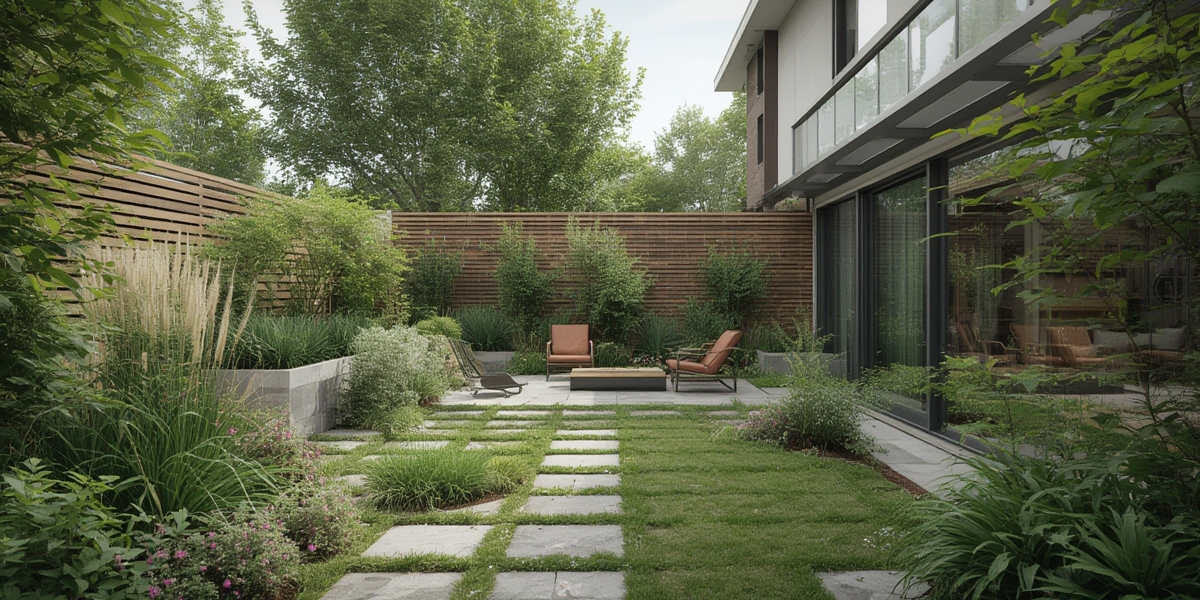
Creating a relaxing outdoor oasis doesn’t have to be complicated or expensive. With the right Modern Garden Seating Ideas, even a beginner gardener can transform a modest backyard or balcony into a comfortable retreat for reading, sipping tea, or enjoying the sunset. In this guide we’ll walk you through a variety of stylish seating options, practical tips for choosing and arranging them, and common mistakes to avoid so your garden stays both beautiful and functional.
Why Comfortable Seating Matters in Your Garden
Gardening is as much about the experience as it is about the plants. A well‑placed bench, chair, or lounge encourages you to spend more time outdoors, which in turn helps you monitor plant health, enjoy fresh air, and reduce stress. Comfortable seating also adds visual interest, turning empty patches of grass into purposeful spaces.
Top Modern Garden Seating Ideas
1. Minimalist Concrete Benches
Concrete has become a favorite material for contemporary gardens because it’s durable, low‑maintenance, and can be molded into sleek shapes. A simple slab bench with clean lines fits well beside a herb garden or a water feature. Add a few outdoor cushions in neutral tones for extra comfort.
2. Reclaimed Wood Swing Seats
For a touch of rustic charm, consider a swing made from reclaimed pine or cedar. The natural grain adds warmth, while the swinging motion creates a soothing, meditative experience. Secure the swing to sturdy posts or a pergola, and make sure the mounting hardware is rust‑proof.
3. Modular Wicker Loungers
Wicker furniture has evolved with synthetic fibers that resist moisture and UV damage. Modular pieces can be rearranged to fit small patios or larger lawns, allowing you to create a lounge area, a reading nook, or a casual dining spot. Pair with a low coffee table for added functionality.
4. Metal Frame Chaise Lounges
Aluminum or powder‑coated steel frames give a sleek, industrial look while staying lightweight. Choose a chaise with a weather‑proof fabric or a quick‑dry mesh. Position it near a sunny spot for daytime relaxation or under a pergola for shade.
5. Built‑In Stone Seating Walls
If you have a sloping garden, a built‑in stone wall with integrated seating can level the terrain and provide sturdy seating. Use natural stone that matches your garden’s rock features, and incorporate planters at the base for a seamless look.
6. Portable Folding Chairs
For gardeners who like flexibility, folding chairs are a practical choice. Look for models with a sturdy steel frame and a quick‑dry seat. Store them in a garden shed when not in use, and pull them out for impromptu tea breaks or when guests visit.
Practical Tips for Choosing the Right Seating
- Consider the climate. Choose materials that can withstand your local weather—teak for humid areas, powder‑coated metal for coastal regions, and UV‑resistant fabrics for sunny spots.
- Measure your space. Before buying, sketch a simple floor plan and note the dimensions of each seating piece. This prevents overcrowding and ensures smooth traffic flow.
- Think about comfort. Even the most stylish bench feels uninviting without cushions or a backrest. Opt for cushions with removable, washable covers.
- Match the garden style. A modern concrete bench pairs well with minimalist plantings, while reclaimed wood works best with cottage‑style gardens.
- Plan for durability. Look for rust‑proof hardware, treated wood, and fabrics rated for outdoor use (e.g., 3000+ UV protection).
How to Arrange Seating for Maximum Enjoyment
Create a Focal Point
Place a seating area where it can enjoy a view—whether that’s a flower bed, a water fountain, or a sunrise. A well‑positioned bench draws the eye and encourages you to linger.
Use Layers and Zones
Combine different heights and types of seating to create zones. A low lounge area for sunbathing, a higher bench for dining, and a swing for relaxation can coexist without feeling cluttered.
Incorporate Shade and Light
Install a pergola, umbrella, or tall plant canopy to provide shade during hot afternoons. Conversely, add solar lights or string lights around the seating to extend its use into the evening.
Common Mistakes to Avoid
- Ignoring drainage. Placing wooden chairs on a damp surface can cause rot. Ensure the ground is well‑drained or use a patio slab underneath.
- Choosing the wrong size. Oversized sofas can dominate a small garden, while tiny stools may feel inadequate for longer stays. Balance proportion with the overall garden size.
- Neglecting maintenance. Even low‑maintenance materials need occasional cleaning. A quick rinse with a hose and a mild soap solution can keep concrete and metal looking fresh.
- Forgetting ergonomics. Seats that are too low or lack back support can cause discomfort. Test the height and backrest angle before purchasing.
- Overlooking weather protection. Cushions left exposed to rain can develop mildew. Store them in a waterproof container or use quick‑dry fabrics.
DIY Seating Projects for the Budget‑Conscious Gardener
Pallet Garden Bench
Collect a few sturdy wooden pallets, sand them down, and stack them to form a bench. Add a simple cushion and a coat of outdoor sealant for a rustic yet modern look.
Concrete Block Ottoman
Stack a few concrete blocks, cover the top with a weather‑proof fabric, and you have an instant ottoman that doubles as a footrest or extra seating.
Recycled Plastic Chair
Many home improvement stores sell recycled plastic chairs that are both eco‑friendly and durable. Paint them with a spray paint designed for plastic to match your garden’s color palette.
Maintaining Your Garden Seating
Regular upkeep extends the life of your outdoor furniture. Here’s a quick maintenance schedule:
- Monthly: Sweep away leaves and debris, check for loose bolts.
- Seasonally: Clean surfaces with a mild soap solution, reapply sealant on wood, and tighten any hardware.
- Annually: Store cushions in a dry place, replace worn fabric, and inspect for rust or cracks.
Conclusion
Choosing the right Modern Garden Seating Ideas can turn any garden, big or small, into a welcoming sanctuary. By considering material durability, space planning, and comfort, you’ll create an outdoor living area that invites you to relax, entertain, and enjoy the fruits of your gardening labor. Remember to avoid common pitfalls like poor drainage and inadequate maintenance, and don’t be afraid to try a DIY project if you’re on a budget. With thoughtful selection and a little care, your garden will become a stylish, comfortable retreat that you’ll cherish for years to come.