
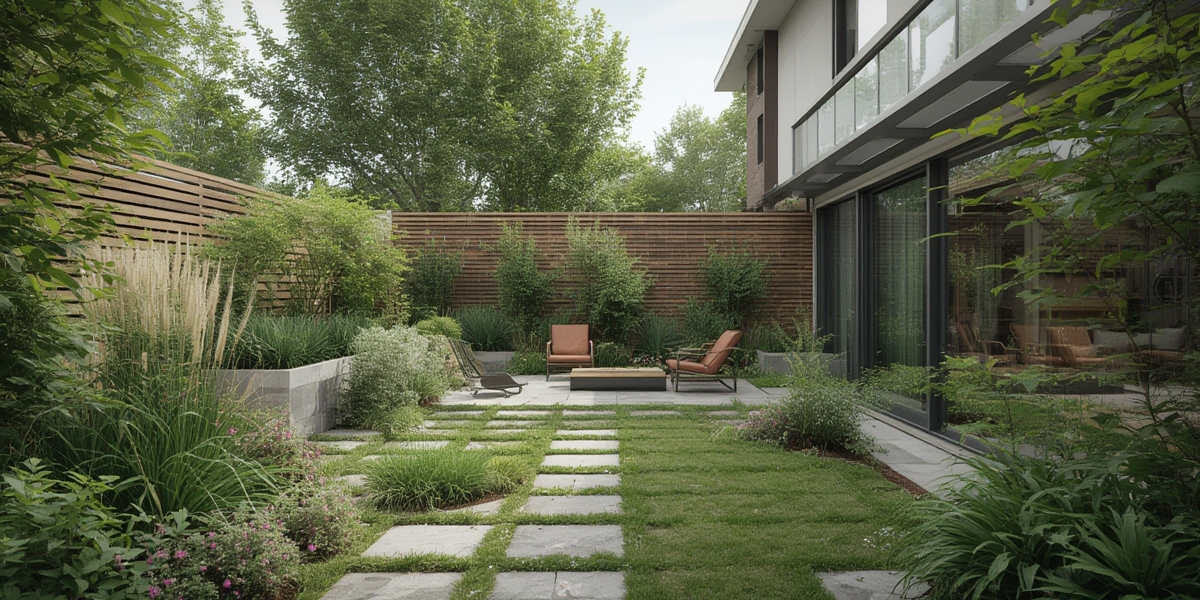
Creating a beautiful garden pathway is one of the quickest ways to add personality and flow to any yard. For beginner gardeners, the idea of laying down stones, bricks, or wood can feel a bit intimidating, but with the right guidance you’ll see that a stylish, functional path is well within reach. In this post we’ll explore Modern Garden Pathway Ideas for a Stylish Yard, walk you through the planning process, and share practical tips to help you avoid common pitfalls. Let’s get started on turning that blank stretch of grass into a welcoming, eye‑catching route.
Why a Garden Pathway Matters
A well‑designed pathway does more than just guide foot traffic. It defines spaces, highlights plantings, and adds depth to the overall garden layout. Modern garden pathways also serve as a visual anchor, tying together different design elements such as seating areas, water features, and borders. For beginners, a clear path can make maintenance easier by directing where to walk, mow, or water without trampling delicate plants.
Popular Materials for Modern Garden Pathways
1. Large‑Format Pavers
Large concrete or natural stone pavers create a sleek, minimalist look that works well in contemporary gardens. Their clean lines and uniform size make installation straightforward, especially when using a simple sand‑set method.
2. Reclaimed Wood Decking
For a warm, organic feel, reclaimed wood boards can be laid in a staggered or straight pattern. Choose pressure‑treated or naturally rot‑resistant species like cedar or teak to ensure longevity.
3. Gravel and Crushed Stone
Gravel is budget‑friendly and offers excellent drainage. Mixing different sizes—such as pea gravel for the surface and larger crushed stone for the base—creates a stable, attractive path.
4. Decorative Concrete Stamps
If you love the look of stone or brick but want a smoother installation, concrete stamping lets you mimic those textures at a lower cost. It’s also a great option for DIYers who want to customize patterns.
Design Ideas to Try
Curved Pathways for a Natural Flow
Instead of a straight line, consider a gentle curve that follows the natural contours of your yard. Curved pathways feel inviting and can lead the eye toward focal points like a garden sculpture or a blooming shrub.
Mixed‑Material Paths
Combine two or more materials—such as stepping stones set in a gravel bed—to add visual interest. The contrast between solid stone and loose gravel creates texture while still feeling cohesive.
Integrated Lighting
Low‑profile LED strip lights or solar stake lights placed along the edges of the path enhance safety and give your garden a magical evening ambiance.
Border Plantings
Line your pathway with low‑growing perennials, ornamental grasses, or fragrant herbs. Not only does this soften the edges, but it also adds color and scent that change with the seasons.
Step‑by‑Step Guide to Building Your Pathway
Step 1: Plan and Measure
Sketch a simple layout on graph paper or use a free garden design app. Measure the length and width of the intended path, and mark any curves or intersections. This step helps you calculate material quantities and avoid surprises later.
Step 2: Prepare the Base
Excavate the path to a depth of 4–6 inches, depending on the material. For pavers or concrete, a compacted gravel base (about 2–3 inches) provides stability and drainage. Use a plate compactor or hand tamper to firm the base evenly.
Step 3: Lay a Weed Barrier
Place a geotextile fabric over the compacted base. This layer prevents weeds from sprouting through the pathway while still allowing water to pass through.
Step 4: Install the Surface Material
Arrange your chosen pavers, stones, or wood boards according to your design. For pavers, set them on a sand bed (about 1 inch thick) and tap each piece gently with a rubber mallet to level them. For wood, space the boards evenly and secure them with stainless‑steel screws or hidden brackets.
Step 5: Fill Joints and Finish
If using pavers, sweep fine sand into the joints and mist the surface with water to lock the sand in place. For gravel paths, add a final layer of fine pea gravel and rake it smooth. Finally, backfill the edges with soil and plant your chosen border plants.
Practical Tips for Success
- Check for Level: Use a long spirit level or a straight board with a bubble level to ensure the surface is even. Uneven paths can cause tripping hazards.
- Mind the Slope: Keep the gradient under 5% (about 1 inch rise per 2 feet run) for comfortable walking and proper drainage.
- Use Quality Materials: Investing in durable pavers or rot‑resistant wood saves time and money in the long run.
- Plan for Expansion: If you’re using concrete, include expansion joints every 8–10 feet to prevent cracking.
- Maintain Regularly: Sweep away debris, re‑sand joints as needed, and prune border plants to keep the path looking fresh.
Common Mistakes to Avoid
Skipping the Base Preparation
Skipping the compacted gravel base often leads to sinking or shifting pavers, especially after heavy rain. A solid base is the foundation of a long‑lasting pathway.
Choosing the Wrong Material for Your Climate
In areas with freeze‑thaw cycles, porous stones can crack. Opt for frost‑resistant materials like dense concrete pavers or treated wood to avoid costly repairs.
Neglecting Drainage
A path that traps water can become slippery and damage surrounding plant roots. Ensure the base slopes away from structures and consider adding a slight crown (higher in the middle) to shed water.
Overcrowding the Design
Too many decorative elements can make a pathway feel cluttered. Stick to one or two accent features—like lighting or border plantings—to keep the look elegant and modern.
Improper Joint Filling
Leaving large gaps between pavers invites weeds and destabilizes the surface. Use polymer‑enhanced sand for joint filling; it hardens when moistened, reducing weed growth.
Conclusion
Whether you’re working with a modest backyard or a sprawling garden, Modern Garden Pathway Ideas for a Stylish Yard can transform your outdoor space into a welcoming, functional masterpiece. By selecting the right materials, planning thoughtfully, and following a clear step‑by‑step process, even beginner gardeners can create a pathway that adds both beauty and practicality. Remember to prepare a solid base, keep an eye on drainage, and choose materials suited to your climate. With a little patience and these practical tips, you’ll soon be strolling along a path that reflects your personal style and enhances the overall charm of your garden.