
Welcome to your garden makeover! If you’re a beginner looking to refresh your outdoor space, you’ve come to the right place. In this guide we’ll explore Modern Garden Layout Ideas that create a clean, cohesive landscape while keeping maintenance simple. From sleek geometric patterns to low‑maintenance plant selections, each section offers practical steps you can follow today.
Why Choose a Clean, Modern Garden Design?
A clean modern garden isn’t just about looks—it’s about functionality. Straight lines, open spaces, and thoughtful plant placement make it easier to navigate, prune, and enjoy. For beginners, this style reduces clutter, minimizes weed growth, and allows you to focus on a few key features rather than overwhelming details.
Key Elements of Modern Garden Layouts
1. Geometric Hardscapes
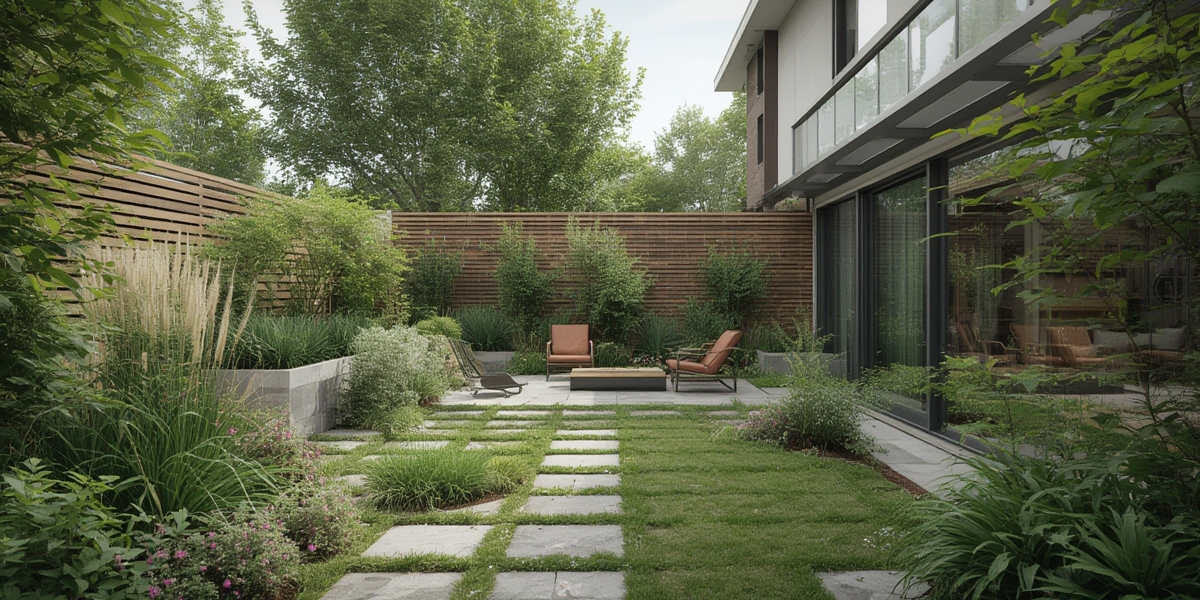
Hardscapes such as pathways, patios, and raised beds form the backbone of a modern garden. Use simple shapes—squares, rectangles, circles, or even a subtle hexagon—to create visual order.
- Materials: Concrete slabs, large pavers, or smooth stone create a sleek look.
- Spacing: Keep pathways at least 3‑4 feet wide for comfortable movement.
- Alignment: Lay out hardscape elements on a grid or use a string line to ensure straight edges.
2. Minimalist Plant Palette
Choose plants with clean lines, uniform foliage, and subtle color variations. This reduces visual noise and makes the garden feel spacious.
- Evergreen grasses: Fountain grass, blue fescue, or Japanese forest grass add texture without frequent cutting.
- Structural shrubs: Boxwood, dwarf spruce, or loropetalum maintain shape year‑round.
- Accent plants: Hostas, ornamental sedums, or lavender provide gentle color pops.
3. Simple Water Features
A modest water element can become a focal point without overwhelming the space. Think a narrow reflecting pool, a wall‑mounted fountain, or a small pond liner.
- Keep the water surface level and rectangular for a modern vibe.
- Use LED lighting for a subtle night‑time glow.
- Install a low‑flow pump to keep water usage minimal.
4. Functional Zones
Divide your garden into clear zones—seating, planting, and utility. This organization helps you use the space efficiently and keeps the design tidy.
- Seating area: A simple concrete bench or a set of modern chairs with a small coffee table.
- Planting beds: Raised beds with clean edges make soil management easier.
- Utility corner: A discreet compost bin or tool shed that blends with the hardscape.
Step‑by‑Step Guide to Implementing Modern Garden Layout Ideas
Step 1: Sketch Your Space
Start with a rough sketch on graph paper or a free online garden planner. Mark existing structures, sunlight patterns, and drainage zones. Then, outline the geometric hardscape shapes you want to incorporate.
Step 2: Choose a Consistent Material Palette
Pick two or three complementary materials (e.g., light gray concrete, dark slate, and natural wood). Using a limited palette reinforces the clean aesthetic and simplifies purchasing.
Step 3: Install Hardscapes First
Lay down pathways, patios, and raised beds before planting. This ensures a stable base and prevents future disruption of plant roots.
Step 4: Plant with Purpose
Arrange plants in groups of odd numbers (3, 5, 7) for visual balance. Place taller structural shrubs at the back of beds, medium‑height grasses in the middle, and low‑lying accent plants at the front.
Step 5: Add Lighting and Water Features
Install low‑voltage LED strip lighting along pathways and under raised beds to highlight clean lines after dark. Position a small water feature where it can be seen from the seating zone.
Step 6: Maintain a Minimalist Routine
Schedule a monthly check‑up: trim grasses, prune shrubs, and remove any weeds that appear in the hardscape cracks. A quick sweep of pathways keeps the garden looking polished.
Practical Tips for a Low‑Maintenance Modern Garden
- Mulch wisely: Use a thin layer of gravel or bark mulch to suppress weeds while retaining a sleek appearance.
- Group plants by water needs: Place drought‑tolerant species together to avoid over‑watering.
- Use native species: They adapt better to local climate, reducing the need for extra care.
- Install drip irrigation: It delivers water directly to the root zone, conserving water and keeping hardscape surfaces dry.
- Choose disease‑resistant varieties: This cuts down on pesticide use and maintenance time.
Common Mistakes to Avoid
1. Overcrowding Plantings
Too many plants can create a chaotic look and increase competition for nutrients. Stick to a restrained plant list and give each specimen enough space to grow.
2. Ignoring Scale
Large planters or oversized furniture can dominate a small garden, breaking the clean feel. Choose proportionate pieces that complement the overall geometry.
3. Neglecting Soil Preparation
Even the most beautiful layout will suffer if the soil isn’t prepared. Test the soil, amend with compost, and ensure proper drainage before planting.
4. Forgetting Seasonal Changes
A garden that looks great in summer but turns dull in winter lacks year‑round appeal. Incorporate evergreen elements and plants with winter interest, such as ornamental cabbage or winterberry.
5. Skipping Edge Definition
Blurry edges between hardscape and planting beds can make the design look unfinished. Use metal edging, stone borders, or low retaining walls to define each area clearly.
Conclusion
Creating a clean, modern garden is within reach for any beginner gardener. By focusing on geometric hardscapes, a minimalist plant palette, functional zones, and thoughtful maintenance, you can transform a simple yard into a stylish outdoor retreat. Remember to plan carefully, choose materials and plants that complement each other, and avoid common pitfalls like overcrowding and poor soil preparation. With these Modern Garden Layout Ideas in hand, you’re ready to start building a landscape that feels both contemporary and inviting—one that you’ll enjoy year after year.