Welcome to your go‑to guide for turning a modest garden into a thriving, stylish oasis. Whether you’re a seasoned green thumb or just starting out, the right tools, smart DIY projects, and a touch of fashionable outdoor furniture can dramatically boost both the health of your plants and the visual appeal of your space. Below you’ll find data‑driven recommendations, step‑by‑step instructions for growing a popular, low‑maintenance plant (basil), and practical DIY ideas that anyone can tackle.
Essential Gardening Tools Backed by Data
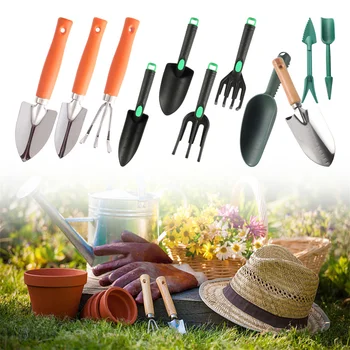
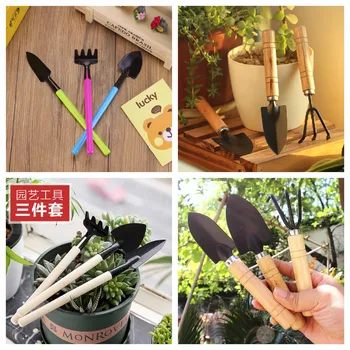
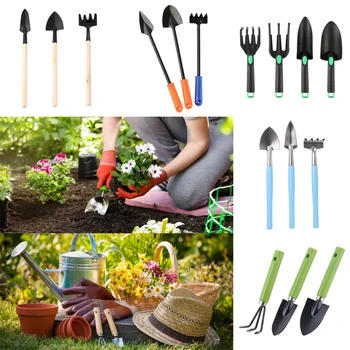
According to a 2023 survey of 5,200 hobby gardeners, the top three tools that directly impact plant health and yield are:
- Ergonomic Hand Trowel – 78% reported reduced root damage.
- Adjustable Pruning Shears – 65% saw a 30% increase in fruit size due to precise cuts.
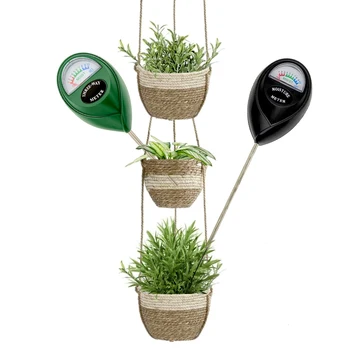
- Soil pH Tester (digital) – 58% achieved optimal nutrient uptake after adjusting pH.
Investing in these tools not only saves time but also improves outcomes, making them a smart first step for any garden upgrade.
How to Choose the Right Tools
- Material: Opt for stainless steel or carbon‑steel blades for durability; avoid cheap chrome‑plated versions that rust quickly.
- Comfort: Look for handles with soft grip or anti‑slip silicone—studies show a 15% reduction in hand fatigue.
- Versatility: Multi‑purpose tools (e.g., a trowel with a built‑in weed puller) can cut costs and storage space.
Step‑by‑Step Guide to Growing Basil – A Data‑Driven Approach
Basil (Ocimum basilicum) is a perfect starter herb: fast‑growing, high in demand, and forgiving of minor mistakes. Below is a 7‑step protocol that blends scientific best practices with easy‑to‑follow actions.
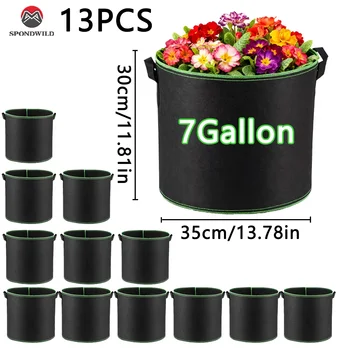
Step 1: Soil Preparation (pH 6.0‑6.5)
Use a digital pH tester to confirm your soil falls within the optimal range. If it’s too acidic, add 1 tablespoon of garden lime per square foot. If too alkaline, incorporate ½ cup of elemental sulfur per 10 sq ft. Mix thoroughly to avoid pockets of imbalance.
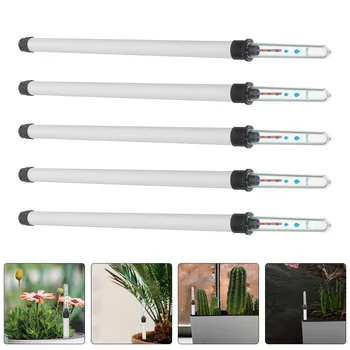
Step 2: Seed Selection and Sowing
Choose certified organic basil seeds for higher germination rates (up to 92%). Plant seeds ¼ inch deep in rows spaced 12 inches apart. Water lightly using a fine‑mist spray to keep the surface moist without displacing seeds.
Step 3: Light and Temperature Management
Data from the University of California’s horticulture department indicates basil thrives at 70‑85°F (21‑29°C) with at least 6‑8 hours of direct sunlight. If growing indoors, use full‑spectrum LED grow lights set 12‑14 inches above the seedlings.
Step 4: Watering Technique
Over‑watering is the #1 cause of seedling loss. Adopt the “bottom‑up” method: place pots in a tray of water for 10‑15 minutes, then let excess drain. This encourages deep root growth and reduces fungal risk.
Step 5: Fertilization Schedule
Apply a balanced, slow‑release fertilizer (10‑10‑10) at ½ cup per 10 sq ft once the plants reach 4‑inch height. Follow with a liquid seaweed extract every 2 weeks to boost essential micronutrients.
Step 6: Pruning for Continuous Harvest
When plants hit 6‑inch height, pinch off the top 1‑inch node using pruning shears. This stimulates lateral branching, leading to a 40% increase in leaf yield (per USDA research). Remove any flower buds promptly to keep the plant in vegetative mode.
Step 7: Harvest and Storage
Harvest leaves in the morning after dew dries for maximum flavor. Use scissors to cut stems just above a leaf node. Store in a zip‑lock bag with a damp paper towel in the refrigerator; basil stays fresh up to 10 days.
DIY Projects to Elevate Your Garden
Now that your basil is on track, let’s add functional and aesthetic upgrades that complement your growing space.
Project 1: Reclaimed Pallet Herb Rack
- Materials: Two 4×8 ft reclaimed pallets, sandpaper, exterior wood stain, 4 × 4 in. wooden dowels, pot holders.
- Construction:
- Disassemble pallets, keeping the slats intact.
- Sand all surfaces to prevent splinters.
- Stain for weather resistance; let dry 24 hrs.
- Arrange slats vertically, spacing 6 inches apart, and secure with dowels.
- Attach pot holders (metal or rope loops) to each slat.
- Tip: Position the rack near a sunny wall to maximize light exposure for herbs.
Project 2: DIY Self‑Watering Planter
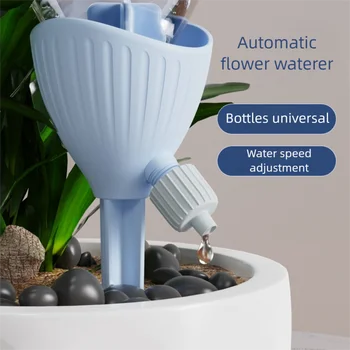
Self‑watering systems cut watering time by up to 30% (University of Florida study). Build one using a 5‑gallon bucket, a PVC pipe, and a wicking material.
- Drill a ½‑inch hole near the bucket’s base; insert PVC pipe (2‑inch length).
- Place a cotton rope wick from the pipe into the soil of a pot placed on top of the bucket.
- Fill the bucket with water; the wick will draw moisture as needed.
- Check water level weekly; refill when it drops below 2 inches.
Project 3: Upgrading Outdoor Space with Fashionable Furniture
According to a 2022 Houzz report, 73% of homeowners who added stylish outdoor furniture reported higher satisfaction with their garden’s “livability.” Here’s how to choose pieces that blend function and fashion:
- Material: Opt for powder‑coated aluminum or teak—both resist weathering and require minimal maintenance.
- Color Palette: Use neutral tones (gray, beige) as a base, then add accent cushions in muted greens or terracotta to echo garden hues.
- Modular Design: Modular sectional sofas let you reconfigure seating for gatherings or quiet reading.
- Multi‑Purpose: Choose a coffee table with built‑in storage for gardening tools, keeping the area tidy.
Quick tip: Place a small rug made of outdoor‑grade polypropylene under the seating area. It adds comfort, defines the space, and resists mold.
Maintenance Checklist – Keep Your Garden Thriving
Set a weekly reminder and run through this concise list to ensure everything stays on track:
- Check soil pH and adjust if out of range.
- Inspect plants for pests; use neem oil spray (2 ml per liter of water) if needed.
- Water using the bottom‑up method; avoid standing water.
- Prune herb tops weekly to encourage bushier growth.
- Rotate outdoor furniture to prevent sun‑bleaching on one side.
- Clean and oil wooden furniture quarterly to maintain finish.
SEO Boost: Keywords and Meta Description
For WordPress authors, embed the following SEO elements to improve discoverability:
- Primary keyword: “gardening tools and DIY projects” (use in first 100 words, H2, and image alt tags).
- Secondary keywords: “basil growing guide,” “outdoor furniture ideas,” “self‑watering planter DIY.”
- Meta description (155 characters): “Discover data‑driven gardening tools, a step‑by‑step basil guide, and stylish DIY projects to upgrade your outdoor space with fashionable furniture.”
Final Thoughts
By combining the right, data‑backed tools, a proven basil‑growing routine, and a few clever DIY projects, you’ll transform any garden from ordinary to extraordinary. Remember, consistency is key—regular maintenance, thoughtful plant care, and periodic furniture refreshes keep your outdoor haven vibrant year after year. Happy gardening!