
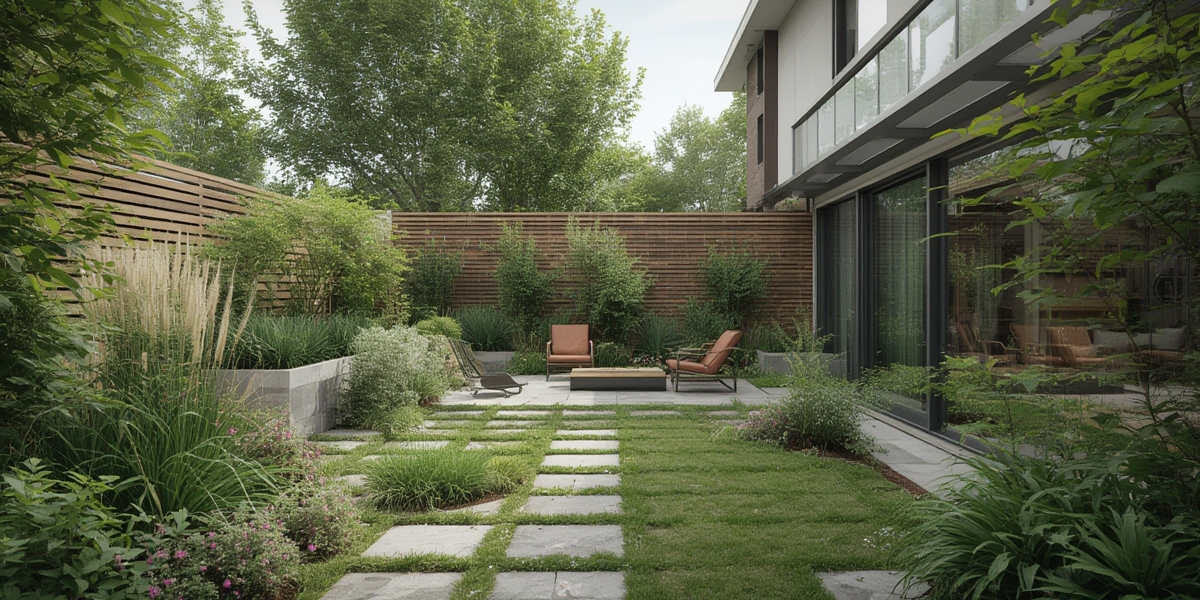
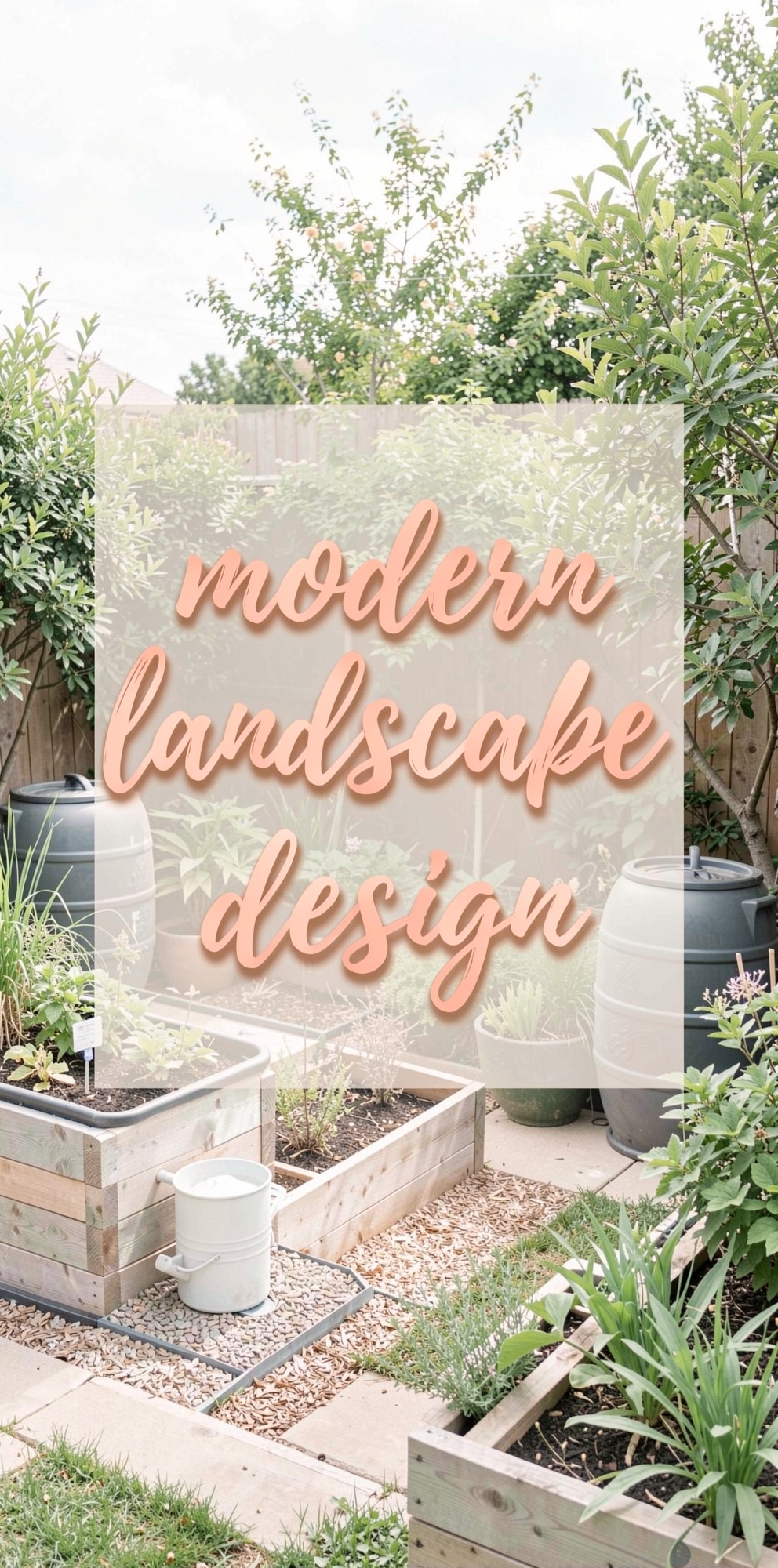
Welcome to the world of sleek, low‑maintenance green spaces! If you’re a beginner looking to blend style with simplicity, Minimalist Modern Gardening Ideas for Beginners are the perfect place to start. By focusing on clean lines, purposeful plant choices, and smart layout, you can create a garden that feels both contemporary and calming—without the overwhelm of endless pruning or intricate designs. Let’s explore step‑by‑step how to bring this fresh aesthetic to life, from planning your space to avoiding common pitfalls.
Why Choose a Minimalist Modern Garden?
A minimalist modern garden isn’t just about “less is more.” It’s about intentional design that highlights the beauty of each element. For beginners, this approach offers several benefits:
- Low maintenance: Fewer plant varieties mean less watering, feeding, and pruning.
- Clear visual focus: Simple lines and a restrained color palette make the garden feel spacious and organized.
- Budget‑friendly: You can achieve a striking look with a modest selection of plants, containers, and materials.
Getting Started: Planning Your Minimalist Space
1. Assess Your Site
Begin by observing the light, soil, and existing structures. Note where the sun hits most of the day, any shade from trees or buildings, and the natural flow of foot traffic. This information will guide plant placement and material choices.
2. Define a Simple Layout
Sketch a basic floor plan using a ruler and graph paper or a free digital tool. Aim for clean geometric shapes—think rectangles, squares, or circles. Keep pathways straight and use a limited number of edges to reinforce the modern feel.
3. Choose a Limited Color Palette
Stick to 2‑3 foliage colors and one accent hue. Classic combos include:
- Green + silver-gray foliage with a pop of deep purple.
- Olive green + white blooms and a splash of bright yellow.
- Dark green + muted blue flowers.
This restraint creates visual harmony and makes each plant stand out.
Essential Plant Selections for Beginners
Foliage‑Focused Options
Plants with striking leaves often become the stars of a minimalist garden. Consider these low‑maintenance choices:
- Japanese Boxwood (Buxus microphylla): Dense, evergreen foliage perfect for clean hedges or topiaries.
- Hosta ‘Patriot’: Large, chartreuse leaves that add a subtle contrast.
- Agave ‘Blue Glow’: Architectural rosettes that thrive in sunny spots.
Simple Flowering Plants
When you want a touch of bloom, select varieties that repeat or have long-lasting flowers:
- Lavender (Lavandula angustifolia): Silvery foliage with purple spikes, fragrant and drought‑tolerant.
- Black-eyed Susan (Rudbeckia fulgida): Bright yellow petals with a dark center, easy to care for.
- Sea Thrift (Armeria maritima): Low‑mounding, pink or white flower clusters that thrive in well‑drained soil.
Container Plants for Flexibility
If you have limited ground space, use sleek containers made of concrete, metal, or matte ceramic. Pair them with:
- Succulents (e.g., Echeveria, Sedum)
- Ornamental grasses (e.g., Pennisetum ‘Hameln’)
- Compact herbs (e.g., thyme, rosemary)
Practical Tips to Keep Your Garden Minimalist and Modern
Use Uniform Materials
Choose one or two materials for edging, planters, and pathways—such as smooth concrete pavers or dark steel frames. Consistency reinforces the clean aesthetic.
Incorporate Hardscape Elements
Simple stone benches, a low‑profile water feature, or a monochrome sculpture can add interest without clutter. Keep these elements proportionate to the garden’s size.
Maintain Consistent Plant Spacing
Give each plant enough room to grow to its mature size. Overcrowding not only looks messy but also increases the risk of disease. Follow the spacing recommendations on plant tags or seed packets.
Implement a Minimal Watering Routine
Group plants with similar water needs together. Use drip irrigation or a soaker hose to deliver water directly to the root zone, reducing waste and keeping foliage dry—an important factor in preventing fungal issues.
Seasonal Pruning Made Easy
Schedule a quick trim in early spring and another in late summer. Focus on removing dead or wayward growth, shaping hedges, and thinning out crowded areas. A pair of sharp pruning shears and a steady hand are all you need.
Common Mistakes to Avoid
Choosing Too Many Plant Varieties
While variety can be tempting, a cluttered plant palette defeats the minimalist goal. Stick to a few well‑chosen species and repeat them throughout the space for cohesion.
Ignoring Light Conditions
Placing shade‑loving plants in full sun (or vice versa) leads to weak growth and disappointment. Double‑check each plant’s light requirements before planting.
Over‑Decorating with Accessories
Garden gnomes, colorful wind chimes, or overly ornate pots can distract from the sleek design. Opt for subtle, functional pieces that complement the overall palette.
Neglecting Soil Preparation
Even low‑maintenance plants need well‑draining, nutrient‑rich soil. Amend heavy clay with compost and sand, or use a high‑quality potting mix for containers.
Skipping Regular Maintenance
Minimalist gardens look effortless, but they require consistent upkeep. Set a weekly schedule for watering, deadheading, and checking for pests to keep the garden looking polished.
Bringing It All Together: A Sample Beginner Layout
Imagine a 10‑by‑12‑foot patio area:
- Pathway: Two parallel concrete slabs (30 cm wide) run the length of the patio, leaving a 60 cm central planting strip.
- Planting Strip: Alternate rows of Japanese Boxwood (trimmed into low hedges) and Lavender. The boxwoods provide structure, while lavender adds color and fragrance.
- Corner Feature: A sleek, matte‑black metal planter holds a single Agave ‘Blue Glow’, creating a focal point without overwhelming the space.
- Seating: A minimalist concrete bench with a thin, weather‑resistant cushion offers a place to relax and enjoy the garden.
This layout showcases the core principles of Minimalist Modern Gardening Ideas for Beginners: clean lines, limited plant selection, and functional hardscape.
Conclusion
Starting a minimalist modern garden is an empowering way for beginners to dip their toes into gardening while enjoying a stylish, low‑maintenance outdoor oasis. By focusing on a simple layout, a restrained color palette, and a handful of well‑chosen plants, you’ll create a space that feels both contemporary and inviting. Remember to assess your site, keep materials uniform, and avoid common missteps like over‑planting or neglecting light needs. With a little planning and consistent care, your garden will become a serene retreat that reflects modern elegance—one that you can proudly call your own.