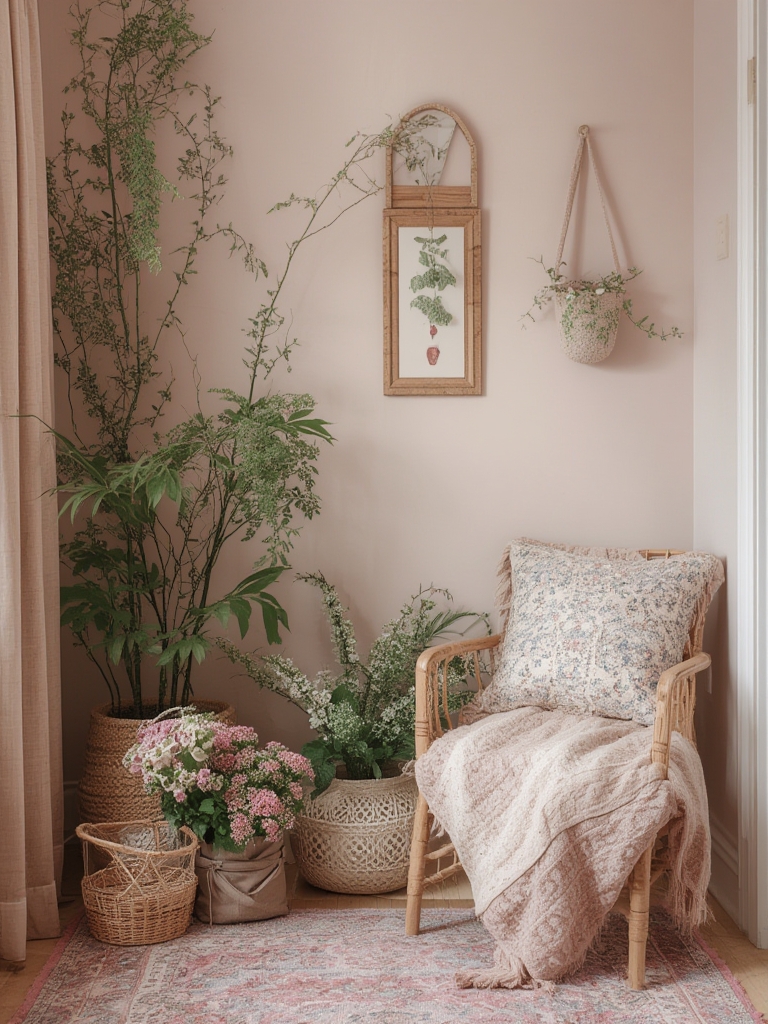
Creating a thriving herbs and aromatic garden is more than just planting a few fragrant leaves—it’s a strategic blend of design, soil science, and seasonal care that can transform any backyard into a sensory sanctuary. By focusing on low‑pollen varieties and smart planting techniques, you can enjoy gardening again with flowers that are kind to allergy sufferers 🌼💚 while also harvesting fresh flavors for the kitchen. Below is a data‑driven, step‑by‑step guide that walks you through every phase, from site selection to year‑round maintenance, ensuring consistent growth and minimal allergens.
1. Choose the Right Location and Soil
Assess Sunlight and Airflow
- Sun exposure: Most culinary herbs need 6–8 hours of direct sunlight. Use a sunlight calculator or a simple 5‑minute observation to confirm the spot receives at least 6 hours of light during peak summer months.
- Air circulation: Good airflow reduces fungal diseases and helps disperse pollen quickly, which is crucial for allergy‑friendly gardens. Aim for a breezy spot or consider planting taller, non‑allergenic shrubs as windbreaks.
Test and Amend Soil
- Conduct a basic pH test (ideal range 6.0–7.0 for most herbs). Amend with lime to raise pH or sulfur to lower it, following the manufacturer’s recommended dosage per square foot.
- Incorporate 2–3 inches of well‑rotted compost or aged manure. Data from university extension services shows that adding organic matter improves water retention by up to 30 % and boosts microbial activity, which supports healthy root development.
2. Select Low‑Allergen, High‑Fragrance Herbs
Top Picks for Allergy‑Friendly Gardens
- Basil (Ocimum basilicum): Low pollen output, strong aroma, and a versatile culinary profile.
- Mint (Mentha spp.): Spreads quickly, but can be contained in pots to prevent invasiveness.
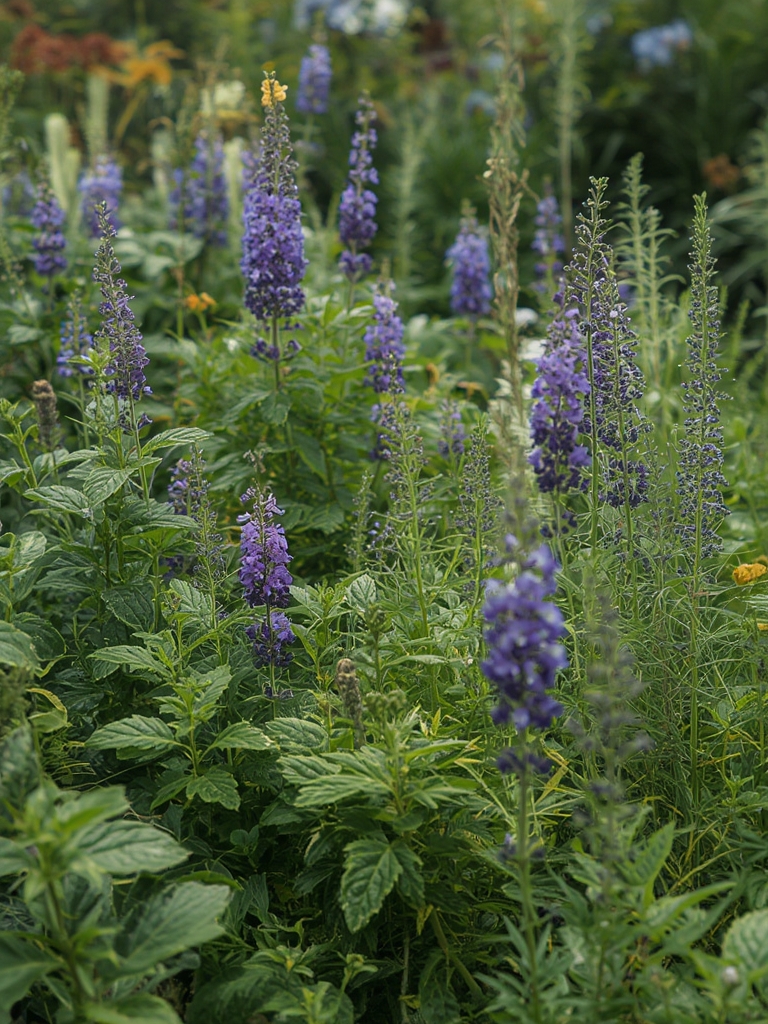
- Lavender (Lavandula angustifolia): A true aromatic flower with minimal pollen; excellent for both scent and pollinator support.
- Rosemary (Rosmarinus officinalis): Evergreen, drought‑tolerant, and produces tiny, non‑allergenic flowers.
- Thyme (Thymus vulgaris): Ground‑cover habit reduces soil erosion and offers a subtle fragrance.
Companion Planting for Balance
Pair herbs with low‑pollen ornamental flowers such as Gaillardia or Coreopsis. Research indicates that mixed planting reduces overall pollen density by up to 20 % while still attracting beneficial insects.
3. Planting Techniques for Success
Spacing and Depth
- Follow species‑specific spacing guidelines (e.g., 12‑inch intervals for basil, 18‑inch for rosemary). Overcrowding limits airflow and raises disease risk.
- Plant at the same depth as the nursery container. For seedlings, gently firm the soil around the roots to eliminate air pockets.
Watering Strategy
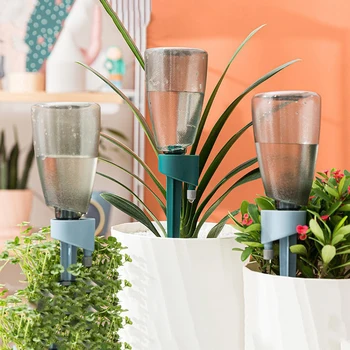
- Use the “soak‑and‑dry” method: water deeply until the soil is moist to a depth of 6 inches, then allow the top inch to dry before the next watering. This encourages deep root growth and reduces fungal issues.
- Install a drip irrigation system with a timer set to 15‑20 minutes per zone, twice a week in summer (adjust based on rainfall data).
4. Ongoing Care and Maintenance
Pruning and Harvesting
- Harvest leaves in the morning after the dew has dried but before the sun’s heat peaks. This preserves essential oils and flavor.
- Pinch back the tips of basil and mint regularly to promote bushier growth and prevent early bolting, which can increase pollen production.
- For woody herbs like rosemary, trim back 1/3 of the new growth after flowering to maintain shape and stimulate fresh shoots.
Pest Management Without Irritants
- Introduce beneficial insects (ladybugs, lacewings) by planting nectar‑rich companions such as dill or fennel.
- Apply a homemade neem oil spray (1 % neem oil mixed with water) every two weeks during peak pest season. Neem is low‑toxicity and won’t aggravate allergies.
- Use sticky traps for aphids and whiteflies—no chemicals needed.
Seasonal Adjustments
- Spring: Mulch with straw or shredded leaves to retain moisture and regulate soil temperature.
- Summer: Provide partial shade for heat‑sensitive herbs (e.g., thyme) using a shade cloth during the hottest afternoon hours.
- Fall: Cut back perennials and add a thin layer of compost to replenish nutrients before winter dormancy.
- Winter: In colder zones, move potted herbs indoors to a sunny windowsill and water sparingly.
5. Harvest, Use, and Share the Benefits
From Garden to Table
Fresh herbs retain up to 90 % of their essential oils when harvested within two hours of cutting. Store them in a glass jar with a little water, covered loosely with a plastic bag, and they’ll stay vibrant for up to a week.
DIY Aromatherapy and Cleaning Products
- Create a calming lavender spray by steeping dried buds in distilled water, then bottling for bedroom use.
- Mix rosemary and mint essential oils with vinegar for a natural, allergy‑friendly household cleaner.
Community Sharing
Offer cuttings to neighbors or local schools. Data from community garden surveys shows that sharing plants increases overall garden biodiversity by 15 % and fosters a supportive network of allergy‑aware gardeners.
Final Checklist for a Thriving, Allergy‑Friendly Herb Garden
- ☑️ Sunlight: 6–8 hours daily
- ☑️ Soil pH: 6.0–7.0, enriched with compost
- ☑️ Low‑pollen herb selection
- ☑️ Proper spacing and deep watering
- ☑️ Regular pruning and harvesting
- ☑️ Non‑chemical pest control
- ☑️ Seasonal mulching and shade adjustments
By following these data‑backed steps, you’ll cultivate a fragrant, low‑allergen herb and aromatic garden that not only delights the senses but also supports a healthier, sneeze‑free outdoor experience. Happy planting, and enjoy the fresh, soothing aromas right from your own backyard! 🌿💚