When the heat of summer fades, many gardeners think the color show is over. Yet a carefully chosen selection of fall‑blooming plants can keep your garden vibrant well into autumn and even linger toward winter. Below is a data‑driven, step‑by‑step guide to selecting, planting, and caring for the top performers that bring rich warmth, charm, and lasting color to any garden space. Follow the actionable tips, and you’ll enjoy a thriving, eye‑catching garden long after the summer sun sets.
Why Choose Fall‑Blooming Flowers?
Research from the American Horticultural Society shows that fall‑blooming perennials and annuals extend the visual interest of a garden by an average of 10–12 weeks compared to summer‑only selections. The cooler temperatures reduce water stress, while the longer daylight hours of early autumn still provide ample photosynthetic energy for vibrant blooms. Additionally, many fall flowers attract pollinators such as bees and butterflies that are still active, supporting local ecosystems.
Top Fall‑Blooming Plants for Continuous Color
1. Chrysanthemum (Garden Mum)
Data point: Optimal bloom temperature: 60–70°F (15–21°C). Soil pH: 6.0–7.0.
- Best for borders, containers, and cut‑flower arrangements.
- Available in shades of gold, burgundy, pink, and white.
2. Aster (New England Aster)
Data point: Tolerates light frosts down to 28°F (‑2°C). Sunlight: 6–8 hours daily.
- Provides daisy‑like flowers that attract butterflies.
- Thrives in well‑drained soil with moderate fertility.
3. Sedum ‘Autumn Joy’ (Stonecrop)
Data point: Drought‑resistant; requires only 1‑2 inches of water per week after establishment.
- Succulent foliage with pink‑to‑carmine flower heads.
- Excellent for rock gardens and low‑maintenance beds.
4. Japanese Anemone
Data point: Prefers slightly acidic soil (pH 5.5–6.5). Bloom period: September‑November.
- Elegant, cup‑shaped flowers in white, pink, or lavender.
- Ideal for shaded borders and woodland gardens.
Step‑by‑Step Planting Guide
Step 1: Soil Preparation
Start with a soil test (available at most garden centers) to confirm pH and nutrient levels. For most fall bloomers, aim for a pH between 6.0 and 6.8. Amend the soil as follows:

- Adjust pH: Add lime to raise pH or elemental sulfur to lower it. Follow the test kit’s recommended dosage (usually 5 lb per 100 sq ft for a 0.5 pH shift).
- Improve drainage: Incorporate 2‑3 inches of coarse compost or aged bark mulch. This increases organic matter, improves water retention, and prevents root rot.
- Fertilize lightly: Use a balanced 10‑10‑10 granular fertilizer at a rate of 1 lb per 50 sq ft, mixed into the top 6 inches of soil.
Step 2: Timing the Planting
Plant in late summer (mid‑August to early September) to give roots time to establish before the first frost. Data from the USDA Plant Hardiness Zones indicates that planting 6–8 weeks before the average first frost date maximizes root development.
Step 3: Planting Depth and Spacing
Follow these spacing guidelines to ensure air circulation and reduce disease risk:
- Chrysanthemum: 18‑24 inches apart, plant at the same depth as the nursery pot.
- Aster: 12‑18 inches apart, bury the root ball just below soil surface.
- Sedum ‘Autumn Joy’: 24‑30 inches apart, plant shallowly (top of root ball at soil level).
- Japanese Anemone: 18‑24 inches apart, set crowns 2 inches deep.
Step 4: Watering Strategy
Consistent moisture is critical during the first 3 weeks after planting:
- Water deeply (≈ 1 inch per week) every 2‑3 days until the soil is uniformly moist to a depth of 6 inches.
- After establishment, reduce frequency to once per week, adjusting for rainfall.
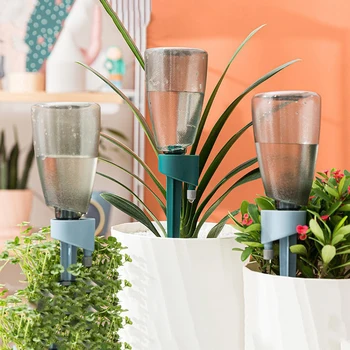
- Use a soaker hose or drip irrigation to deliver water at the base, minimizing foliage wetness and fungal risk.
Step 5: Mulching for Temperature Regulation
Apply a 2‑inch layer of organic mulch (shredded bark, pine needles, or straw) around each plant. Mulch retains soil warmth, reduces evaporation, and suppresses weeds—key factors that extend bloom time into late fall.
Step 6: Fertilizing Through the Season
Feed plants once in early fall (mid‑September) with a low‑nitrogen, high‑phosphorus fertilizer (e.g., 5‑10‑10) at half the recommended rate. Phosphorus encourages flower development, while lower nitrogen prevents excessive foliage that can shade blooms.
Step 7: Pruning and Deadheading
Regular deadheading (removing spent flowers) signals the plant to produce more blooms. For each species:
- Chrysanthemum: Pinch back the top 2‑3 inches after the first flush to encourage a second wave of blooms.
- Aster: Cut stems just above the first set of healthy leaves.
- Sedum: Trim back leggy stems after the main bloom to maintain compact shape.
- Japanese Anemone: Remove faded flower heads and trim back any damaged foliage.
Perform pruning in the early morning on a dry day to reduce disease transmission.
Practical Tips for Extending Color Into Winter
- Use frost cloths: When night temperatures dip below 30°F (‑1°C), drape a lightweight frost cloth over beds for 2‑3 hours to protect delicate buds.
- Plant in micro‑climates: South‑facing walls retain heat, allowing late‑blooming plants to stay active longer.
- Combine with evergreen foliage: Pair fall flowers with low‑growth evergreens (e.g., boxwood, dwarf conifers) for a backdrop that keeps the garden looking full after the flowers fade.
- Water wisely: Reduce watering as temperatures drop; over‑watering can cause root rot in cold, soggy soil.
- Harvest for indoor arrangements: Cut stems early in the morning and place them in water with a dash of lemon juice to prolong vase life, bringing garden color inside during chilly evenings.
Monitoring Success with Simple Data
Keep a garden journal or use a free app to log the following metrics each week:
- Soil moisture (use a moisture meter; aim for a reading of 40‑60%).
- Temperature range (record daily high/low).
- Bloom count per plant (helps identify which varieties are performing best).
- Pest observations (note any aphids, slugs, or spider mites).
Analyzing this data over the season will reveal patterns—such as optimal watering frequency or the best planting depth—allowing you to fine‑tune your garden for future years.
Final Thoughts
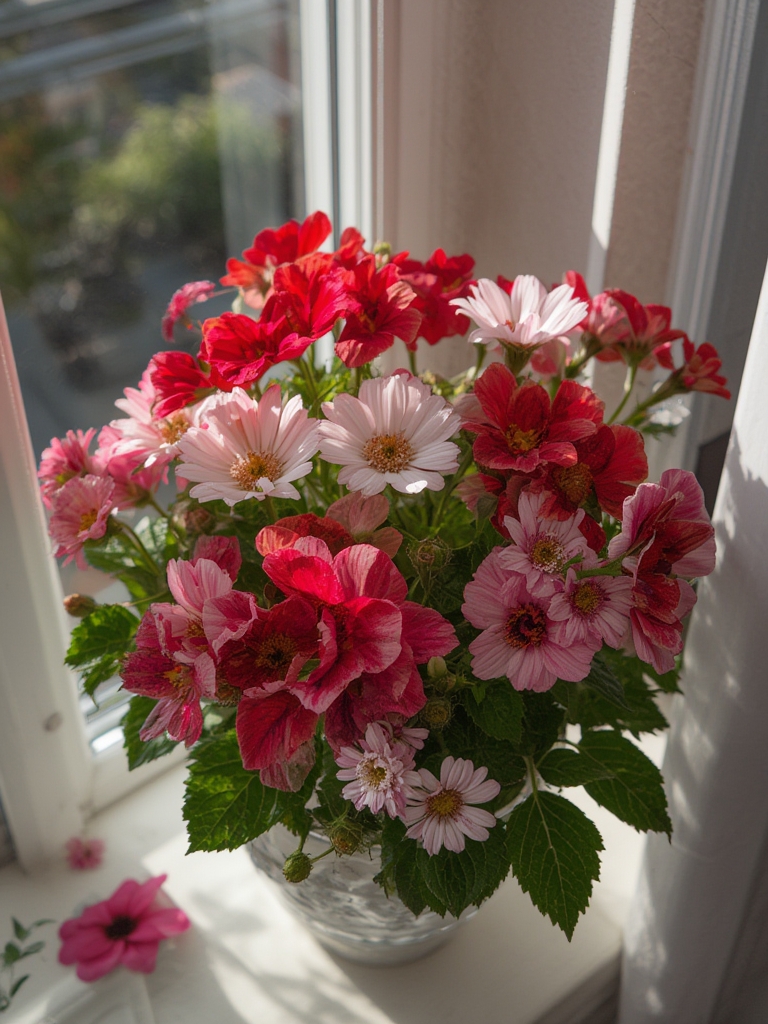
By selecting the right fall‑blooming species, preparing the soil based on concrete pH and nutrient data, and following a disciplined watering, mulching, and pruning routine, you can transform your garden into a late‑season showcase. The combination of chrysanthemums, asters, sedum, and Japanese anemones provides a palette of golds, pinks, and deep reds that linger well into November, delivering the rich color, warmth, and charm you desire. With the actionable steps outlined above, even a novice gardener can achieve a thriving, data‑driven garden that delights the senses long after summer has faded. 🍂🌸🍁