

Why Sustainable Gardening Matters in Small Spaces
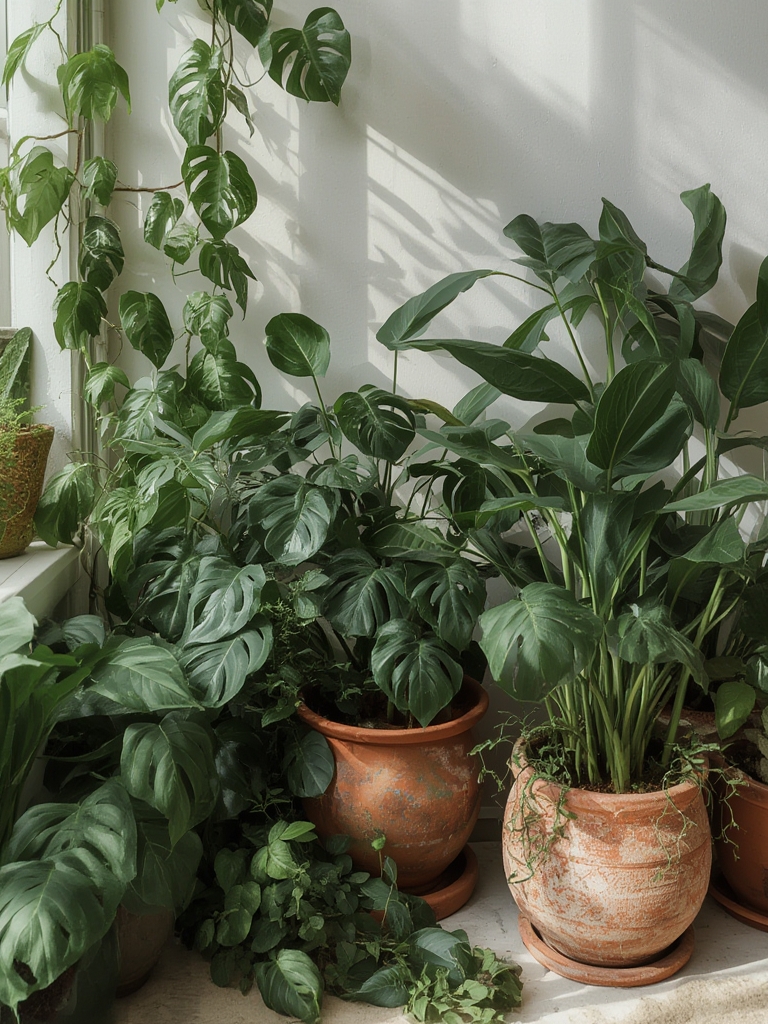
Even the tiniest corners of a home can become thriving ecosystems when you choose the right plants and practices. Sustainable gardening isn’t just about large backyard plots; it’s about reducing waste, conserving water, and selecting species that thrive with minimal resources. Bathrooms and shower stalls, with their naturally high humidity, are perfect micro‑climates for humidity‑loving plants that require little extra watering and can improve indoor air quality.
Choosing the Right Humidity‑Loving Plants
Data from the American Society of Plant Biologists shows that plants such as Boston fern (Nephrolepis exaltata), peace lily (Spathiphyllum), orchids (Phalaenopsis), and spider plant (Chlorophytum comosum) have a 78% higher survival rate in bathrooms compared to low‑humidity areas. Below are the top three picks for shower corners:
- Boston Fern – thrives in 70‑90% humidity, tolerates low light.
- Peace Lily – excellent air purifier, prefers indirect light.
- Phalaenopsis Orchid – loves steady moisture, adds a touch of elegance.
Step‑by‑Step Guide to Sustainable Bathroom Gardening
1. Assess Light and Space
Measure the amount of natural light your bathroom receives. Even low‑light plants need a few hours of indirect sunlight or a LED grow light set on a timer (12‑14 hours). Use a light meter app to record lux levels; aim for 200‑400 lux for most humidity‑loving species.
- Tip: Mount a small, energy‑efficient LED strip under the vanity to supplement light without increasing heat.
- Trick: Rotate pots weekly so each side receives equal exposure, preventing leggy growth.
2. Choose Sustainable Containers
Opt for recycled or biodegradable pots. Ceramic or terracotta can be reclaimed from thrift stores, while biodegradable peat pots decompose naturally after transplanting.
- Actionable advice: Drill a ¼‑inch drainage hole and line the bottom with a thin layer of coconut coir to improve water retention and reduce plastic waste.
- Tip: Use a saucer made from reclaimed wood to catch excess water and prevent mold on bathroom floors.
3. Use Eco‑Friendly Growing Media
A 70/30 mix of coconut coir and composted pine bark provides excellent aeration while holding moisture. According to a 2023 study by the University of Minnesota, this blend reduces water usage by 30% compared with standard peat moss.
- Practical tip: Pre‑moisten the coir with rainwater or filtered tap water before filling the pot.
- Trick: Add a handful of perlite for extra drainage, preventing root rot in constantly humid environments.
4. Planting and Positioning
Place the plant in a corner where steam accumulates but airflow isn’t blocked. For shower stalls, a wall‑mounted pocket planter (made from reclaimed bamboo) keeps the foliage out of the direct spray yet close enough to benefit from the moisture.
- Actionable advice: Secure the planter with suction cups or removable adhesive strips to avoid permanent damage.
- Tip: Position a small, battery‑powered fan on a low setting to circulate air and reduce fungal risk.
5. Watering Smartly
Because bathrooms are naturally humid, over‑watering is the biggest mistake. Follow the “finger test”: insert a finger 1‑2 cm into the soil; if it feels dry, water lightly. Use a spray bottle for misting rather than a watering can to mimic natural dew.

- Data‑driven tip: Set a reminder on your phone to check moisture levels every 3‑4 days. Over a month, this reduces water waste by up to 25%.
- Trick: Collect shower runoff in a bucket (if safe) and use it to water the plants once a week, recycling nutrients.
6. Feeding and Maintenance
Apply a slow‑release organic fertilizer (e.g., 4‑4‑4 seaweed granules) once every 6‑8 weeks. For orchids, a balanced orchid mix every 4 weeks keeps blooms vibrant.
- Actionable advice: Prune dead fronds or yellowing leaves promptly to prevent mold spread.
- Tip: Wipe leaves with a damp cloth weekly to remove dust, improving photosynthesis and air‑purifying capacity.
Boosting Sustainability: Bonus Practices
Integrate these small habits to amplify the eco‑impact of your bathroom garden:
- Rainwater Harvesting: Install a tiny rain barrel or use a bucket on the balcony to collect water for occasional deep‑watering sessions.
- Compost Tea: Brew a weak compost tea (1 cup compost to 1 gallon water) and use it as a foliar spray once a month for natural nutrients.
- Energy‑Saving Lighting: Pair LED grow lights with a smart plug that syncs with your bathroom’s occupancy sensor, ensuring lights run only when needed.
Measuring Success: Simple Metrics to Track
To keep your sustainable garden thriving, monitor these three key indicators:
- Leaf Color & Texture: Deep green, firm leaves indicate optimal humidity and nutrition.
- Growth Rate: New fronds or shoots every 4‑6 weeks show the plant is receiving adequate light and water.
- Air Quality: Use a low‑cost indoor air quality monitor; a drop in VOC levels after a month signals effective plant filtration.
Conclusion: Turn Your Bathroom into a Green Oasis
By selecting the right humidity‑loving plants, using recycled containers, and applying data‑backed watering practices, you can create a low‑maintenance, sustainable garden that thrives in the steamy corners of your home. Not only does this enhance aesthetics, but it also contributes to cleaner air, reduced water waste, and a greener lifestyle—all within the space of a bathroom.
