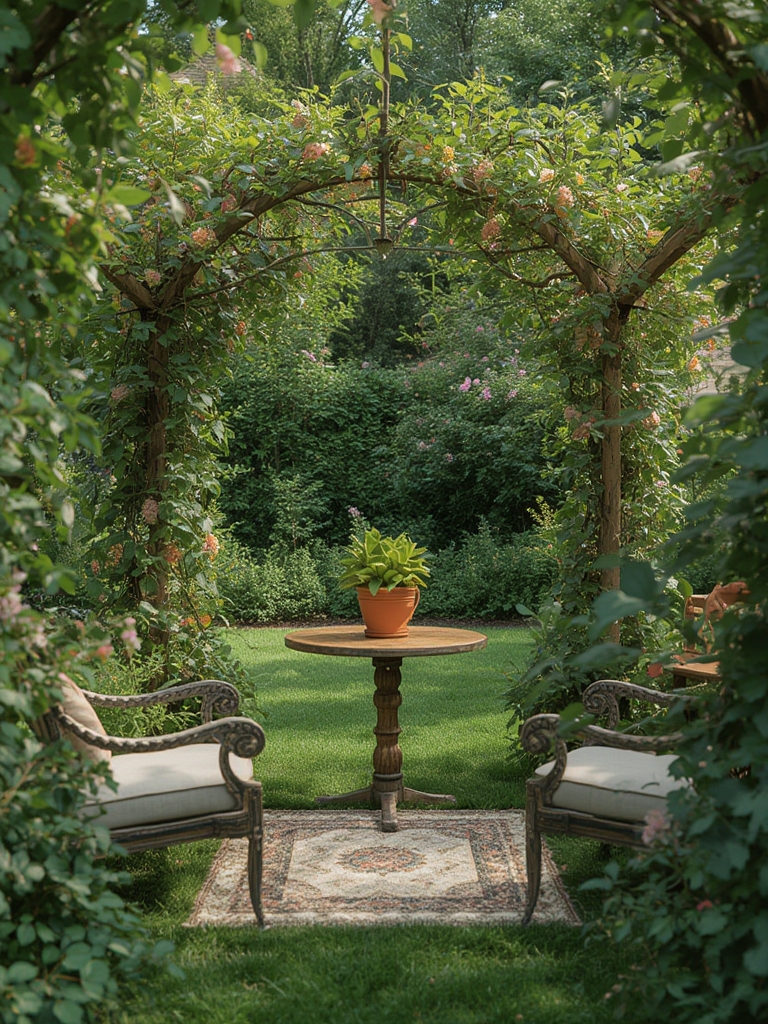
Creating a garden that feels like a personal sanctuary is more than just planting flowers—it’s about curating a space that soothes the mind, lowers cortisol levels, and invites calm. Recent studies show that exposure to greenery can reduce stress by up to 20% and improve sleep quality by 15% (Journal of Environmental Psychology, 2022). By focusing on a handful of low‑maintenance, aromatic, and visually gentle plants, you can turn any backyard, balcony, or patio into a relaxation haven. Below is a data‑driven, step‑by‑step guide to selecting, planting, and caring for three of the most calming garden staples: lavender, Japanese forest grass (Hakonechloa macra), and scented geraniums.
Step 1: Choose the Right Soothing Plants
Why These Plants?
- Lavender (Lavandula angustifolia) – Proven to lower heart rate and blood pressure; its scent triggers the brain’s relaxation pathways.
- Japanese Forest Grass – Soft, cascading foliage creates a visual “green wave” that reduces visual clutter and mental fatigue.
- Scented Geraniums (Pelargonium spp.) – Offer a variety of calming aromas (rose, lemon, mint) and thrive in containers, making them perfect for small spaces.
Data‑Backed Selection Criteria
When evaluating plants for a calm garden, consider the following metrics (all based on USDA hardiness zones and peer‑reviewed horticultural data):
- Hardiness Zone Compatibility – Choose plants that thrive in your zone; for most U.S. regions, zones 5‑9 cover these species.
- Water Use Efficiency – Lavender requires ≈0.5 gallons/week in moderate climates, while Japanese forest grass needs ≈1 gallon/week during peak summer.
- Soil pH Preference – Lavender prefers alkaline soil (pH 6.5‑7.5); Japanese forest grass prefers slightly acidic to neutral (pH 5.5‑6.5); geraniums are flexible (pH 6.0‑7.0).
Step 2: Prepare the Soil and Site
Testing and Amending Soil
Start with a simple soil test kit (available at most garden centers). Record pH and nutrient levels, then amend as follows:
- Lavender: Add 2 lb of garden lime per 10 sq ft to raise pH, and mix in ½ cup of coarse sand for drainage.
- Japanese Forest Grass: Incorporate 1 cup of peat moss per 5 gal of soil to retain moisture without waterlogging.
- Geraniums: Blend 1 lb of compost per 10 sq ft to improve fertility and structure.
Site Selection Tips
Place each plant where its light requirements match the micro‑climate of your garden:
- Lavender: Full sun (≥6 hours direct sunlight). A south‑facing wall can reflect additional light.
- Japanese Forest Grass: Partial shade (3‑5 hours morning sun, filtered afternoon light).
- Geraniums: Bright indirect light; a patio railing or balcony works well.
Step 3: Planting – The Exact Procedure
Lavender
- Dig a hole twice the width of the root ball and just as deep.
- Place the plant, ensuring the crown sits level with the soil surface.
- Backfill with the amended soil, firming gently to eliminate air pockets.
- Water lightly (≈¼ gal) to settle the soil, then wait 48 hours before the first regular watering.
Japanese Forest Grass
- Space plants 12‑18 inches apart to allow the foliage to cascade without crowding.
- Plant at the same depth it was in its nursery pot; shallow planting can cause crown rot.
- Mulch with 1‑inch layer of shredded bark to retain moisture and suppress weeds.
Scented Geraniums (Container Method)
- Choose a pot with drainage holes; fill the bottom with 1 in of gravel.
- Add a high‑quality potting mix blended with perlite (30 % perlite) for aeration.
- Plant the geranium, leaving 1‑inch space from the rim to prevent water overflow.
- Water until it drains, then place the pot where it receives bright, indirect light.
Step 4: Ongoing Care – Watering, Feeding, and Pruning
Watering Schedule (Data‑Driven)
| Plant | Weekly Water Need | Best Time to Water |
|---|---|---|
| Lavender | 0.5 gal (dry summer) | Early morning |
| Japanese Forest Grass | 1 gal (moderate summer) | Late afternoon |
| Geraniums | 0.75 gal (container) | Morning, after soil dries 1‑2 inches deep |
Feeding Recommendations
- Lavender: Apply ½ lb of low‑nitrogen fertilizer (5‑10‑5) in early spring and again after the first bloom.
- Japanese Forest Grass: Lightly side‑dress with organic compost once in spring.
- Geraniums: Use a balanced liquid fertilizer (10‑10‑10) every 4 weeks during the growing season.
Pruning for Calm Aesthetics
Regular pruning not only keeps the garden tidy but also encourages new growth that maintains a soft visual texture:
- Lavender: Trim spent flower spikes after blooming to prevent woody stems; cut back ⅓ of the foliage in early fall.
- Japanese Forest Grass: Remove yellowed leaf tips in late summer to preserve the smooth, flowing look.
- Geraniums: Pinch back the tips weekly to promote bushier growth and stronger fragrance.
Step 5: Enhancing the Relaxation Factor
Incorporate Sensory Elements
Pair your soothing plants with complementary sensory features:
- Sound: Install a small solar‑powered water fountain near the lavender patch; the gentle trickle reinforces the calming atmosphere.
- Texture: Add a pebble pathway (≈2‑inch stones) that invites barefoot walking, stimulating tactile relaxation.
- Lighting: Use warm‑white LED string lights set on a timer to create a soft glow after dusk, extending the garden’s calming effect into the evening.
Seasonal Adjustments
To keep the garden serene year‑round, follow these quick actions:
- Spring: Mulch fresh organic material to lock in moisture and provide a fresh scent as it decomposes.
- Summer: Add a slow‑release water‑absorbing polymer granules around the base of lavender to reduce drought stress.
- Fall: Cut back Japanese forest grass to a 4‑inch height to prevent winter wind damage while preserving its shape.
- Winter: Move geranium pots to a sheltered balcony or indoor bright window; keep soil just barely moist to avoid root desiccation.
Conclusion: Your Calm Garden in Action
By selecting data‑backed, low‑maintenance plants and following the precise steps outlined above, you’ll create a garden that not only looks beautiful but also functions as a daily stress‑relief tool. Remember, the key to lasting calm is consistency: regular watering, mindful pruning, and occasional sensory upgrades will keep the space inviting throughout the seasons. Start small, track your progress (a simple garden journal works wonders), and watch your garden transform into a personal oasis of peace.