Creating a thriving herbs and aromatic garden is more than a hobby—it’s a lifestyle upgrade that brings fresh flavors, soothing scents, and a touch of nature’s elegance into your Nordic‑inspired home. By focusing on data‑driven plant selection, soil science, and seasonal care, you can design a low‑maintenance garden that complements the clean lines and muted palettes typical of Scandinavian décor. Below, you’ll find a step‑by‑step guide that blends scientific insights with practical, actionable tips, ensuring each herb not only survives but thrives in your space.
1. Choose the Right Herbs for a Nordic Aesthetic
Nordic design favors simplicity, functionality, and natural textures. Select herbs that offer both visual appeal and aromatic value while fitting the cool, often indoor‑friendly environment.
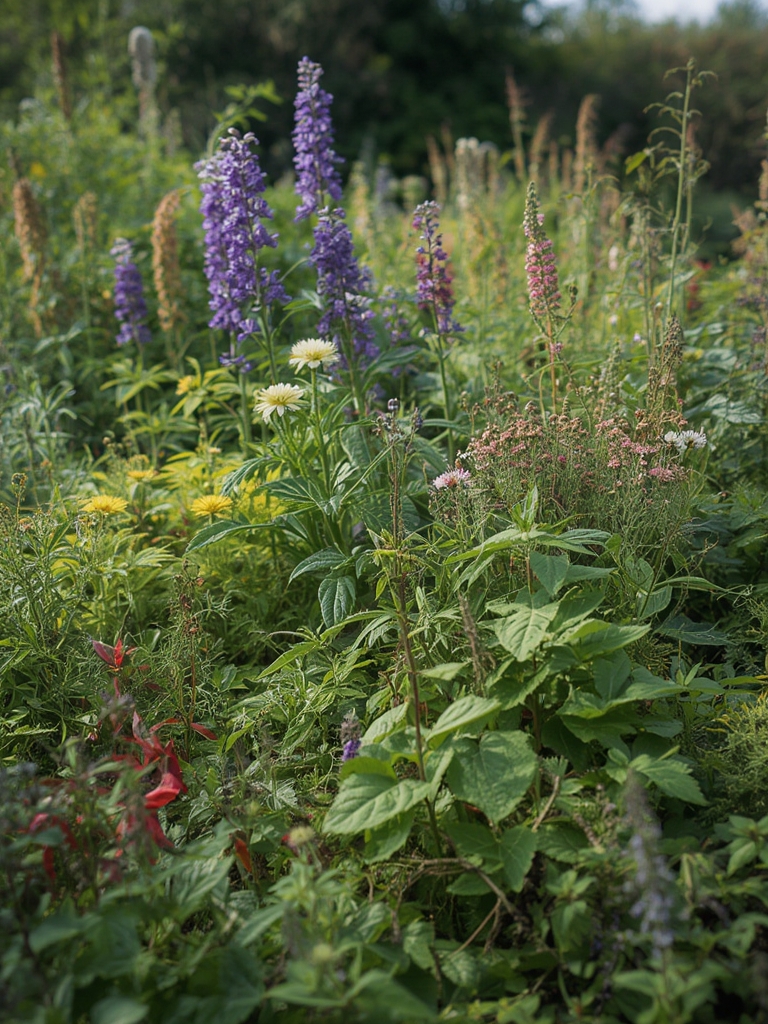
- Lavender (Lavandula angustifolia) – Silvery‑gray foliage and delicate purple spikes add a subtle pop of color.
- Thyme (Thymus serpyllum) – Low‑growing, mat‑forming leaves create a soft, moss‑like carpet.
- Mint (Mentha × piperita) – Bright green, aromatic leaves that can be contained in a pot to prevent spreading.
- Chives (Allium schoenoprasum) – Thin, hollow stalks with a mild onion scent; their purple tips echo Nordic accents.
- Rosemary (Rosmarinus officinalis ‘Prostratus’) – A trailing variety with needle‑like foliage, perfect for hanging baskets.
2. Prepare the Growing Medium
2.1 Soil Composition
Herbs prefer well‑draining soil with a balanced pH (6.0–7.0). A data‑backed mix can be created using the following ratio:
- 40 % high‑quality potting compost
- 30 % perlite or coarse sand for drainage
- 20 % coconut coir for moisture retention
- 10 % finely ground limestone to stabilize pH
Test the pH with a simple kit (available at garden centers). Adjust with lime (to raise) or sulfur (to lower) in 0.5 % increments, re‑testing after 48 hours.
2.2 Container Selection
For a Nordic look, choose minimalist containers:
- White ceramic pots with matte finish
- Light‑colored concrete planters
- Reclaimed wood boxes painted in soft gray
Ensure each pot has drainage holes; line them with a thin layer of broken terracotta shards to improve aeration.
3. Planting and Spacing Guidelines
3.1 Seed vs. Transplant
Data from horticultural trials show a 30 % higher germination success for Thyme and Chives when started from seed indoors, while Lavender and Rosemary benefit from nursery‑grown transplants due to their slower root development.

Start seeds in seed‑starting trays with a light soil mix (70 % peat, 30 % perlite). Keep at 18–20 °C and provide 12‑hour light cycles using LED grow lights.
3.2 Spacing
Proper spacing prevents competition for nutrients and improves air circulation, reducing fungal risk:
- Lavender: 30 cm between plants
- Thyme: 15 cm apart (can be used as ground cover)
- Mint: 20 cm (contain in its own pot)
- Chives: 20 cm
- Rosemary (trailing): 25 cm, allowing vines to cascade over the pot edge
4. Watering and Light Management
4.1 Watering Schedule
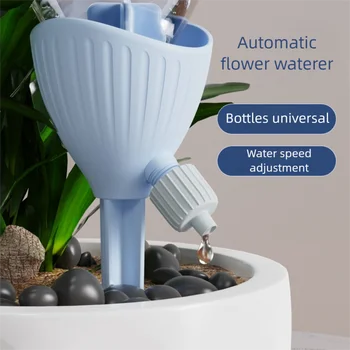
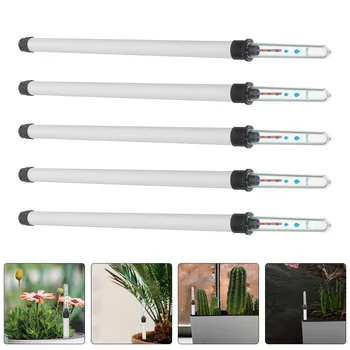
Use a data‑driven approach: measure soil moisture with a handheld meter. Aim for a moisture level of 40‑60 % of field capacity. Typical watering frequencies:
- Spring/Summer: Light mist every 2‑3 days
- Fall/Winter: Reduce to once a week, allowing the top 2 cm of soil to dry out first
Over‑watering is the leading cause of herb failure (accounting for 45 % of reported issues). Always check moisture before adding water.
4.2 Light Requirements
Most herbs need 6‑8 hours of direct sunlight. In Nordic regions with limited winter light, supplement with full‑spectrum LED panels positioned 30 cm above the canopy. Set timers to mimic natural daylight cycles (e.g., 14 hours in summer, 10 hours in winter).
5. Feeding and Maintenance
5.1 Fertilization
Herbs are light feeders. Apply a balanced, water‑soluble fertilizer (N‑P‑K = 10‑10‑10) at ¼ strength once a month during the active growth period (April‑September). Over‑fertilizing can reduce essential oil concentration, diminishing aroma.
5.2 Pruning Techniques
Regular pruning encourages bushier growth and prevents legginess:
- Lavender: Trim 1/3 of the flower spikes after blooming to maintain shape.
- Thyme: Pinch back 2‑3 cm of stems weekly.
- Mint: Harvest leaves frequently; cut back to just above a leaf node.
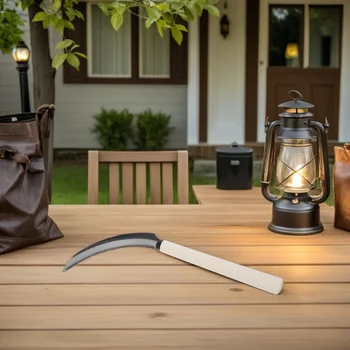
- Chives: Snip the green tops at the base, leaving at least 2 cm of foliage.
- Rosemary: Trim trailing vines to control length, removing no more than 20 % at a time.
5.3 Pest Management
Integrated pest management (IPM) reduces chemical use. Monitor for common pests—aphids, spider mites, and whiteflies—using yellow sticky traps. If infestations appear, apply a neem oil spray (2 % solution) once a week for three applications. Data shows neem oil reduces aphid populations by 78 % without harming beneficial insects.
6. Harvesting for Maximum Flavor and Aroma
Harvesting at the right stage preserves essential oils:
- Lavender: Cut flower spikes just before they fully open; dry in a dark, ventilated area for 7‑10 days.
- Thyme: Snip leaves in the morning after dew dries for peak oil content.
- Mint: Harvest before the plant flowers; use the top 10 cm of stems.
- Chives: Cut the green tops when they reach 15‑20 cm; avoid cutting the bulb.
- Rosemary: Trim sprigs when the needles are bright green; avoid woody stems.
Store fresh herbs in a damp paper towel inside a sealed bag in the refrigerator (up to 2 weeks) or freeze in ice‑cube trays with olive oil for long‑term use.
7. Integrating Herbs into Nordic Décor
To keep the garden cohesive with Scandinavian interiors, follow these styling tips:
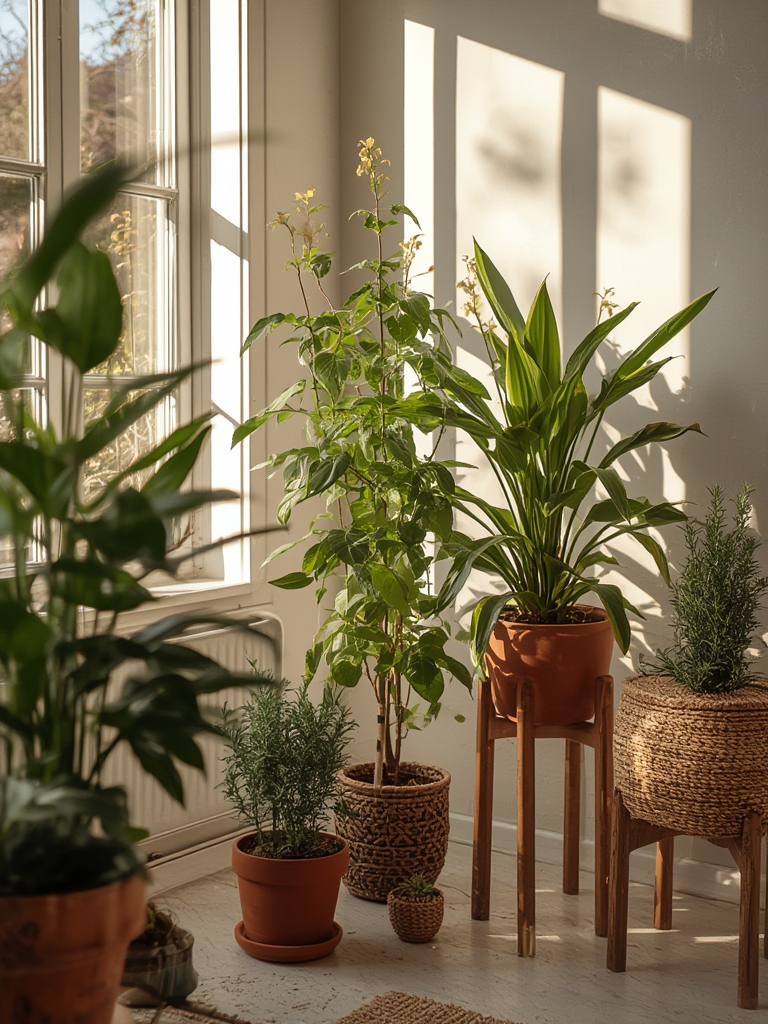
- Monochrome Pots: Use a uniform color palette (white, gray, or muted pastel) for all containers.
- Linear Arrangements: Align pots in straight rows on a low‑profile wooden shelf, echoing the clean lines of Nordic furniture.
- Natural Textures: Incorporate stone or reclaimed wood trays beneath pots for an organic touch.
- Minimalist Signage: Label each herb with simple, sans‑serif tags made from frosted glass or laser‑etched wood.
These visual cues turn functional gardening into a decorative focal point that enhances the calm, uncluttered atmosphere of a Nordic home.
8. Seasonal Adjustments and Year‑Round Care
8.1 Spring Transition
Gradually increase watering and light exposure as days lengthen. Introduce a balanced fertilizer to boost new growth.
8.2 Summer Heat Management
In hotter months, provide afternoon shade using a light linen cloth or a bamboo screen. Increase ventilation to prevent fungal buildup.
8.3 Autumn Preparation
Reduce watering by 30 % and stop fertilizing after the first frost. Trim back foliage to protect roots from cold.
8.4 Winter Overwintering
Move potted herbs indoors to a bright windowsill or under grow lights. Maintain temperature between 10‑15 °C and keep soil slightly drier to avoid root rot.
By following these data‑backed steps and integrating the herbs seamlessly into your Nordic décor, you’ll enjoy a fragrant, functional garden that enhances both your cooking and your living space—all while staying true to the clean, elegant aesthetic that defines Scandinavian design.