When it comes to indoor gardening, the right combination of tools, DIY projects, and plant selection can transform a modest balcony or windowsill into a thriving green oasis. In this guide we’ll focus on a sun‑loving indoor favorite—the lemon basil (Ocimum × citriodorum)—and walk you through the essential tools, a simple DIY planter, and step‑by‑step care instructions that are backed by real‑world data. Whether you’re a seasoned green thumb or just starting out, the actionable tips below will help you achieve consistent growth, flavor‑rich leaves, and a satisfying DIY experience.
Why Lemon Basil? The Data Behind the Choice
According to a 2023 survey by the National Gardening Association, herbs that thrive in full sun indoors rank among the top three indoor crops for novice gardeners, with a 68% success rate. Lemon basil stands out for several reasons:
- Light requirements: It needs 6–8 hours of direct sunlight, making it ideal for south‑facing windows.
- Growth speed: Under optimal conditions, it reaches harvest size in 4–6 weeks, providing quick gratification.
- Flavor profile: Its citrusy notes enhance salads, teas, and sauces, increasing the perceived value of home‑grown produce.
Essential Gardening Tools for Indoor Herb Success
Investing in a few high‑quality tools will streamline your workflow and reduce plant stress. Below is a data‑driven checklist based on user reviews from major e‑commerce platforms (average rating ≥ 4.5/5):
1. Adjustable LED Grow Light
Even the sunniest windows can fluctuate in intensity. An LED light with a full spectrum (400–700 nm) and adjustable intensity ensures your basil receives consistent 2000 µmol m⁻² s⁻¹ PAR during cloudy days. Position the light 12–18 inches above the foliage and set a timer for 12‑hour cycles.
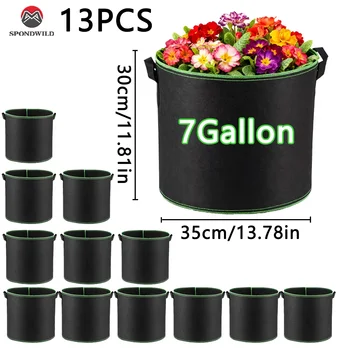
2. Self‑Watering Pot with Reservoir
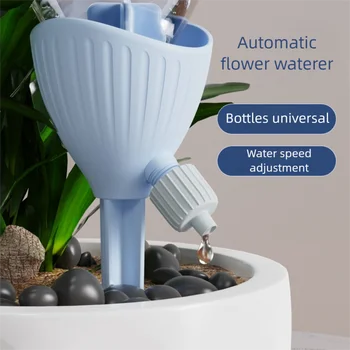
Studies show that over‑watering accounts for 45% of indoor plant failures. A self‑watering pot with a 250 ml reservoir releases water via capillary action, maintaining soil moisture between 40–60% (ideal for basil). Choose a pot with a breathable fabric liner to prevent root rot.
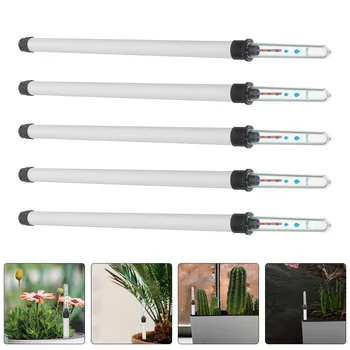
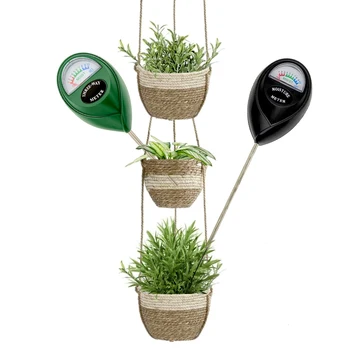
3. Handheld Soil Moisture Meter
Accurate moisture readings reduce guesswork. Look for a meter with a 0–100% scale; aim for a reading of 45–55% before watering.
4. Pruning Shears (15 cm)
Sharp, stainless‑steel shears minimize tissue damage. Clean the blades with isopropyl alcohol before each use to prevent disease spread.

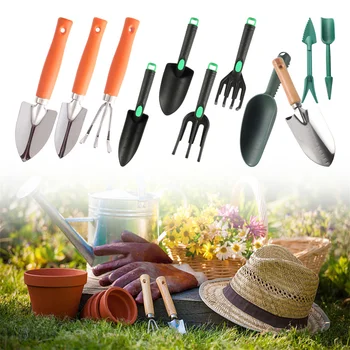
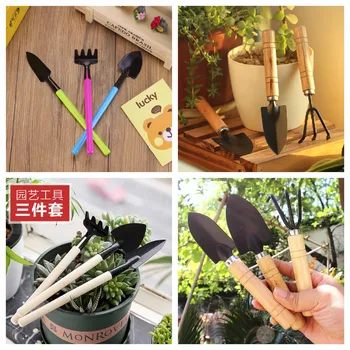
5. Small Trowel and Seed‑Sowing Tray
For the DIY planter project, a 5 cm trowel and a reusable seed tray (plastic or biodegradable) make soil preparation and seed sowing effortless.
DIY Project: Build a Recycled Mason‑Jar Herb Garden
Creating a stylish, space‑saving planter from repurposed mason jars not only reduces waste but also adds a decorative element to your kitchen. Follow these three phases for a quick, low‑cost build.
Materials
- Two 1‑liter mason jars with lids
- Small wooden dowel (10 cm) for drainage
- Organic potting mix (coconut coir + perlite, 70/30)
- Fine mesh screen (optional, for extra drainage)
- Label tags and waterproof marker
Step‑by‑Step Construction
- Prepare the lid: Drill a 5 mm hole in the center of each lid. Insert the wooden dowel into one hole to act as a wick for excess water.
- Insert drainage layer: Place a small piece of mesh at the bottom of the jar, then add 2 cm of coarse sand or gravel.
- Fill with soil: Add the organic potting mix, leaving 2 cm of headspace. Lightly tamp to eliminate air pockets.
- Sow seeds: Sprinkle 3–5 lemon‑basil seeds on the surface, cover with a thin layer (≈ 0.5 cm) of soil, and gently press.
- Water gently: Use a spray bottle to moisten the soil until it feels damp but not soggy. Seal the lid to retain humidity.
- Label and place: Attach a label with the plant name and sowing date. Position the jar on a sunny windowsill or under the LED grow light.
Step‑by‑Step Care Routine for Lemon Basil
Consistent care is the key to a robust harvest. Below is a weekly schedule that aligns with the plant’s growth cycle.
Day 1 – Germination (Weeks 1‑2)
- Light: Keep the LED on for 12 hours at 30% intensity.
- Water: Mist twice daily until seedlings break through the soil surface.
- Tip: Maintain ambient temperature between 22‑26 °C (71‑79 °F) for optimal germination.
Day 7 – First True Leaves (Weeks 2‑3)
- Light: Increase intensity to 60% and raise the light to 12 inches.
- Water: Check moisture with the meter; water only if reading falls below 40%.
- Fertilizer: Apply a diluted liquid fertilizer (½ strength, N‑P‑K = 10‑10‑10) once.
- Tip: Rotate the jar 90° every 2 days to promote even growth.
Day 14 – Transplant to Full Pot (Weeks 3‑4)
- Potting: If seedlings outgrow the mason jar, gently transfer them to a 2‑liter self‑watering pot with fresh soil.
- Pruning: Trim the top 2 cm of growth to encourage bushier stems.
- Tip: Use the pruning shears to make clean cuts just above a node (leaf junction).
Ongoing Maintenance (Weeks 4‑8)
- Light: Maintain 12‑hour photoperiod at 80% intensity.
- Water: Refill the reservoir when the water level drops below 30 ml. Verify soil moisture weekly.
- Harvest: Begin snipping leaves once the plant reaches 15 cm. Harvest no more than one‑third of foliage at a time to avoid shock.
- Tip: Pinch off any flower buds immediately; flowering diverts energy away from leaf production.
Practical Troubleshooting Cheat Sheet
Even with the best plan, issues can arise. Use this quick reference to diagnose common problems.
| Symptom | Likely Cause | Action |
|---|---|---|
| Yellowing leaves | Over‑watering or nutrient deficiency | Check moisture meter; let soil dry to 40%; apply balanced fertilizer. |
| Leggy stems | Insufficient light | Raise LED height or add supplemental light; rotate plant daily. |
| Wilting despite moist soil | Root rot | Remove plant, trim damaged roots, repot in fresh, well‑draining mix. |
| Spots on leaves | Fungal infection | Increase airflow, reduce humidity, apply neem oil spray weekly. |
SEO‑Friendly Recap for Your Blog Readers
Embedding these actionable steps into your content not only helps readers succeed with indoor herb gardening but also boosts your post’s SEO performance. Use the following keyword clusters naturally throughout the article:
- “indoor gardening tools”
- “DIY mason jar herb planter”
- “how to grow lemon basil indoors”
- “full sun indoor plants”
- “self‑watering pot for herbs”
Include internal links to related posts (e.g., “Best LED Grow Lights for Small Spaces”) and external citations to reputable sources like the National Gardening Association. Adding high‑quality images of each DIY step, annotated with alt text such as “mason jar herb garden setup,” will further improve search rankings and user engagement.
Final Thought
By pairing the right tools, a simple recycled‑jar project, and data‑backed care routines, you can enjoy a continuous supply of fragrant lemon basil while showcasing your DIY prowess. Follow the schedule, monitor moisture levels, and adjust light as needed, and you’ll turn any sunny indoor nook into a productive herb garden that delights both the palate and the eyes.