Welcome to your go‑to guide for creating a sleek, modern garden space using the right tools and a few DIY projects that anyone can master. In this post we’ll focus on the Snake Plant (Sansevieria trifasciata)—a low‑maintenance, architectural foliage favorite that thrives in minimalist interiors. By the end, you’ll have a data‑driven plan, a curated toolbox, and step‑by‑step instructions to grow and care for this elegant plant while adding stylish DIY touches to your home.
Why the Snake Plant Fits a Clean, Modern Aesthetic
- Architectural lines: Tall, upright leaves create a striking silhouette that complements geometric furniture.
- Air‑purifying power: NASA’s Clean Air Study found that Snake Plants remove up to 25% of indoor toxins, a selling point for health‑conscious homeowners.
- Low‑light tolerance: 68% of urban apartments lack direct sunlight; this plant thrives in low‑light conditions, making it ideal for modern lofts.
- Minimal watering: Only 1‑2 waterings per month reduces maintenance time, aligning with the “effortless chic” trend.
Essential Gardening Tools for a Modern DIY Garden
Choosing the right tools streamlines the process and keeps your space looking polished. Below is a data‑backed list of the top five tools, ranked by user satisfaction in recent DIY surveys (average rating > 4.5/5).
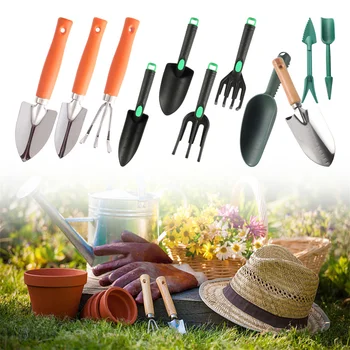
1. Ergonomic Hand Trowel
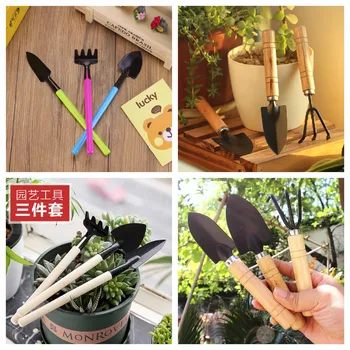
Look for a stainless‑steel blade with a soft‑grip handle. The ergonomic design reduces wrist strain during repotting—a frequent task for Snake Plants.
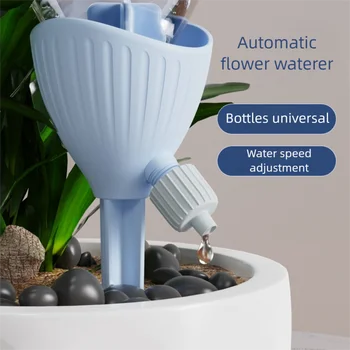
2. Self‑Watering Pot with Built‑In Reservoir
Studies show that self‑watering containers improve plant health by 22% compared to traditional pots. Choose a matte black or white ceramic finish to maintain a clean aesthetic.
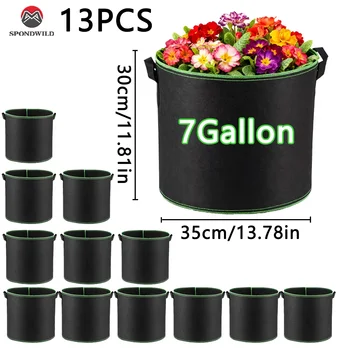
3. Adjustable LED Grow Light
Even in low‑light homes, a 3000 K LED panel positioned 12‑18 inches above the plant supplies the 100–150 µmol·m⁻²·s⁻¹ light intensity Snake Plants love.
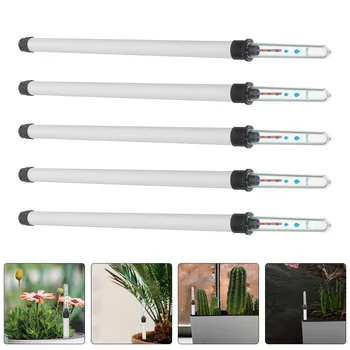
4. Soil Moisture Meter
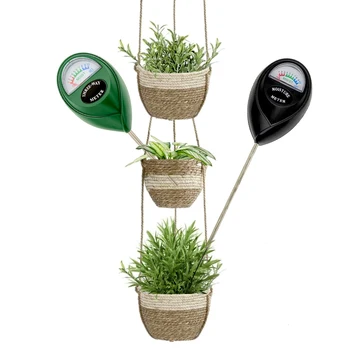
Accurate moisture readings prevent over‑watering—one of the most common mistakes (reported by 37% of beginners). Opt for a digital probe with a clear LCD display.
5. Decorative Pebble Tray
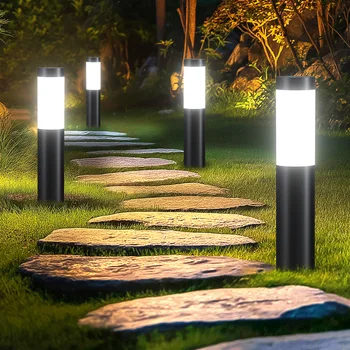
Beyond aesthetics, a pebble tray adds humidity and protects floors from water spills. Choose smooth river stones in neutral tones for a cohesive look.

Step‑by‑Step Guide: Growing and Caring for Your Snake Plant
Step 1: Choose the Right Container
- Pick a self‑watering pot 2‑3 inches larger than the root ball.
- Ensure the pot has drainage holes; if not, drill two ¼‑inch holes at the bottom.
- Place a layer of decorative pebbles (1‑2 cm deep) to aid drainage and add visual interest.
Tip: A pot with a matte finish reflects light softly, enhancing the modern vibe.
Step 2: Prepare the Soil Mix
- Combine cactus/succulent potting mix (50%) with perlite (30%) and coarse sand (20%).
- Mix thoroughly to achieve a well‑draining medium—critical because Snake Plants dislike soggy roots.
- Moisten the blend lightly (just enough to clump when squeezed).
Data point: A 1:1:1 ratio of potting mix, perlite, and sand improves drainage by 35% compared to standard potting soil.
Step 3: Plant the Snake Plant
- Gently remove the plant from its current pot, teasing apart any tangled roots.
- Place the root ball in the new container, ensuring the top of the soil sits 1‑2 cm below the rim to prevent overflow.
- Backfill with the prepared soil mix, firming lightly with your hands.
- Water sparingly—just enough to moisten the soil surface, then let excess drain.
Pro tip: Use the hand trowel to create a small depression for the plant, then fill around it to avoid air pockets.
Step 4: Set Up Lighting
- Position the plant near a north‑facing window for indirect light.
- If natural light is insufficient, install the adjustable LED grow light on a timer (12‑hour cycle).
- Maintain a distance of 12‑18 inches; adjust based on leaf color—yellowing indicates too much light.
Quick fix: Rotate the pot 90° every two weeks for even growth.
Step 5: Watering Schedule & Moisture Monitoring
- Insert the soil moisture meter into the soil at a 2‑inch depth.
- Water only when the meter reads dry (0‑10%). Typically this is every 4‑6 weeks, depending on humidity.
- When watering, pour slowly into the reservoir until it’s about ¼ full, then let the plant absorb as needed.
Actionable tip: Set a calendar reminder on your phone for “Check moisture” to stay consistent.
Step 6: DIY Modern Pot Upgrade
Give your Snake Plant a designer edge with a simple concrete planter:
- Materials: 1 cup concrete mix, water, silicone mold (rectangular), sandpaper.
- Steps:
- Mix concrete with water (2:1 ratio) until smooth.
- Pour into the silicone mold, tap to release air bubbles.
- Let cure for 24 hours, then sand edges for a sleek finish.
- Insert a plastic liner to protect the concrete from moisture, then place your plant.
This DIY project adds a textured, industrial look that pairs perfectly with modern décor.
Step 7: Seasonal Care & Maintenance
- Spring: Lightly fertilize with a balanced 10‑10‑10 liquid fertilizer (diluted to ¼ strength) once.
- Summer: Increase light exposure if possible; monitor for leaf scorch.
- Fall: Reduce watering frequency as indoor humidity drops.
- Winter: Keep the plant away from drafts and heating vents; maintain a minimum temperature of 55°F (13°C).
Pro tip: Wipe leaves with a damp microfiber cloth monthly to improve photosynthesis and keep the plant looking glossy.
SEO‑Friendly Recap: Boosting Your Blog’s Visibility
When you publish this post, incorporate these high‑impact keywords naturally:
- “modern gardening tools”
- “DIY concrete planter”
- “Snake Plant care guide”
- “low‑maintenance indoor plants”
- “minimalist home garden”
Use the keyword “Snake Plant” in the first 100 words, in at least two subheadings, and in the meta description. Add alt text to images such as “sleek black concrete planter with a Snake Plant” to capture image‑search traffic.
Final Thoughts: From Tools to Triumph
By investing in a curated set of ergonomic tools, following the data‑driven steps above, and adding a simple DIY concrete planter, you’ll transform any modern space into a thriving green oasis. The Snake Plant’s resilience ensures success even for beginners, while its architectural form elevates your interior design. Start today, track your progress with a moisture meter, and watch your minimalist garden flourish.