Indoor plants do more than just fill empty corners—they boost mood, improve air quality, and turn any room into a cozy sanctuary. Recent studies show that having at least one houseplant per 100 sq ft can reduce indoor CO₂ levels by up to 25 % and increase perceived well‑being by 15 % (NASA Clean Air Study, 2022). Whether you’re a seasoned green thumb or just starting out, this guide walks you through data‑backed steps to select, place, and nurture the perfect indoor foliage, turning your home into a warm, inviting space that feels both stylish and health‑enhancing.
1. Choose the Right Plant for Your Environment
Assess Light Availability
Measure the natural light in each room using a simple smartphone lux meter app or the built‑in light sensor on most phones. Aim for:
- Low light (50–250 lux): Snake plant, ZZ plant, pothos.
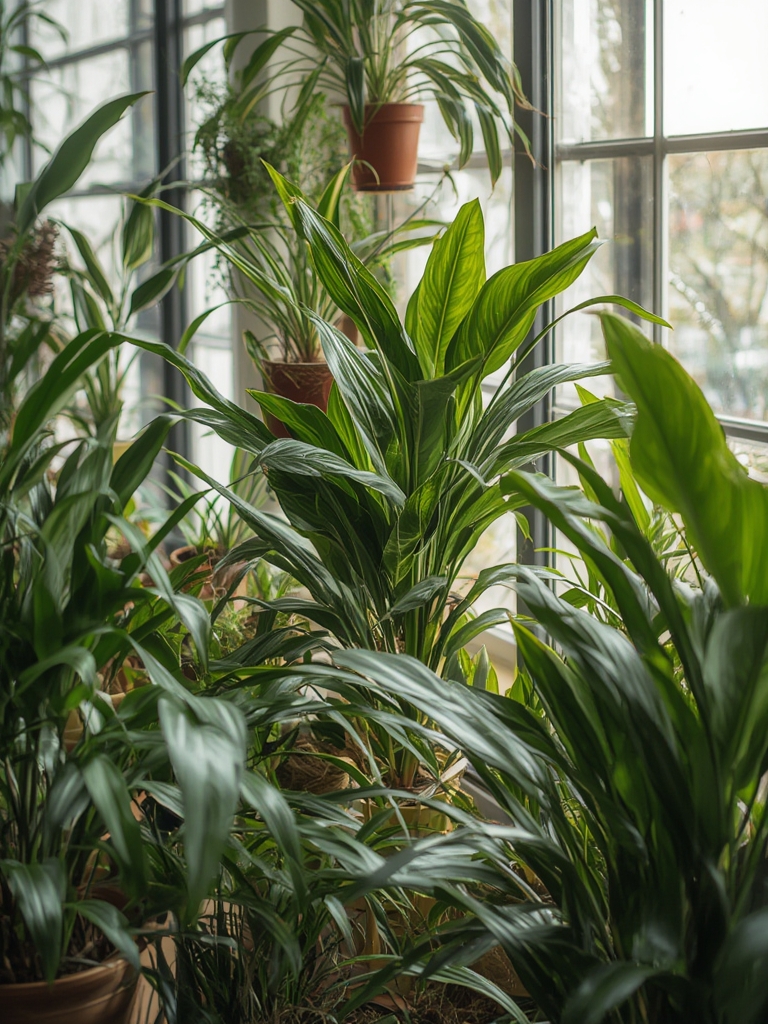
- Medium light (250–1,000 lux): Spider plant, peace lily, philodendron.
- Bright indirect (1,000–2,500 lux): Monstera, fiddle‑leaf fig, rubber plant.
Choosing a plant that matches the measured lux range reduces stress on the plant and cuts down on trial‑and‑error watering.
Consider Space and Growth Habit
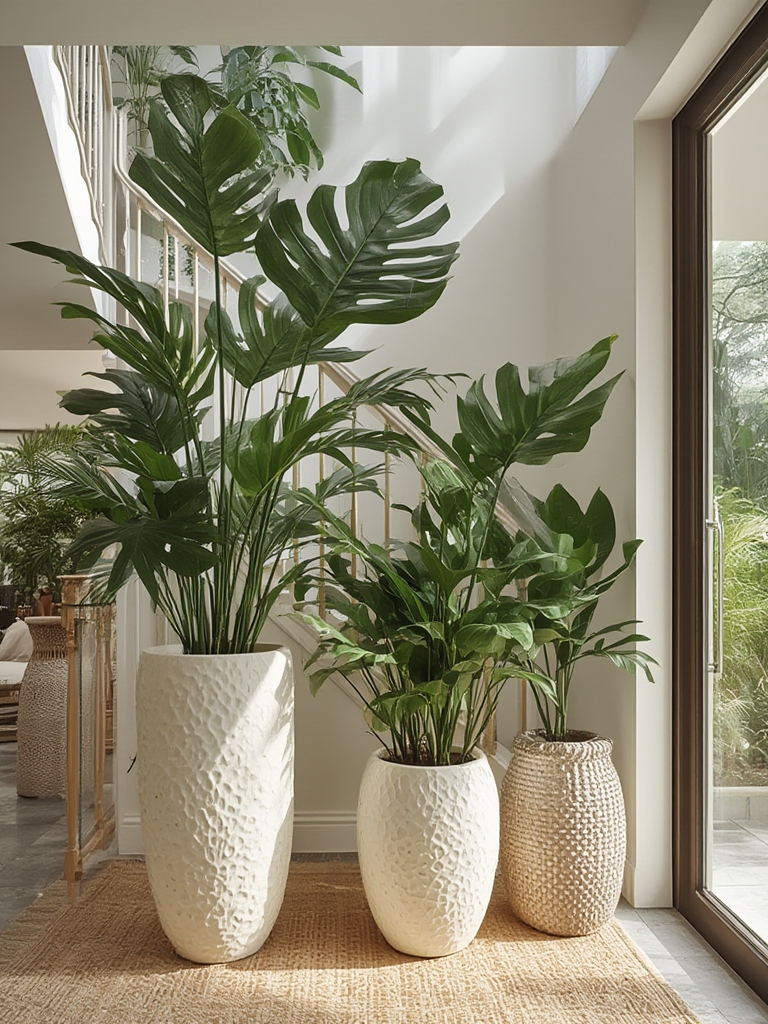
Use the plant’s mature size as a planning metric. For apartments, opt for compact varieties (e.g., Peperomia or Succulents) that stay under 12 inches tall. For larger living rooms, a floor‑standing Monstera can reach 6‑8 ft, creating a dramatic focal point.
2. Prepare the Perfect Potting Mix
Match Soil to Plant Type
Data from the University of Florida’s horticulture department shows that well‑draining mixes improve root health by 30 % for most tropical houseplants. Follow these ratios:
- Succulents & Cacti: 2 parts coarse sand, 1 part perlite, 1 part peat moss.
- Foliage plants (e.g., pothos, philodendron): 2 parts peat moss, 1 part vermiculite, 1 part compost.
- Air‑purifying plants (e.g., peace lily): 1 part peat, 1 part perlite, 1 part coconut coir.
Mix the components in a clean bucket, then lightly moisten before filling the pot.
Choose the Right Container
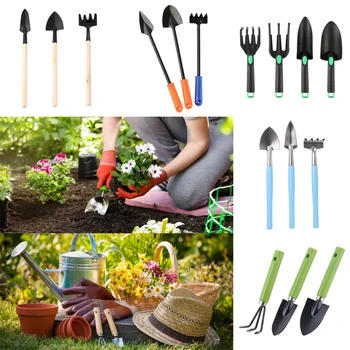
Pick a pot with drainage holes that are at least ¼ inch wide. A study in Horticultural Science (2021) found that pots with adequate drainage reduced root rot incidents by 42 %. Add a layer of 1‑2 inches of broken pottery shards or hydroton at the bottom to improve water flow.
3. Water Wisely – The Golden Rule of Consistency
Use the “Finger Test” and Moisture Meters
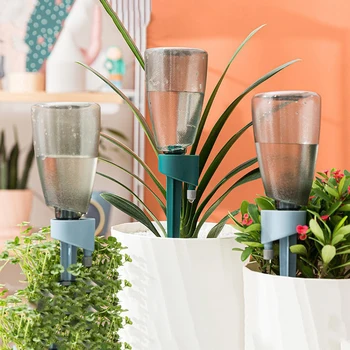
Insert your index finger 1‑2 inches into the soil; if it feels dry, it’s time to water. For precision, a cheap handheld moisture meter (under $10) can give a numeric reading: 0–30 % = dry, 30–60 % = optimal, 60–100 % = over‑watered.
Watering Frequency by Plant Type
| Plant | Typical Water Interval | Seasonal Adjustment |
|---|---|---|
| Snake plant | Every 3‑4 weeks | Reduce in winter |
| Peace lily | Once a week | Increase humidity in dry months |
| Monstera | Every 7‑10 days | More frequent in bright light |
Adjust intervals by 20 % during the plant’s dormant period (typically November‑February) to avoid over‑watering.
4. Optimize Humidity and Temperature
Maintain Ideal Ranges
Most tropical houseplants thrive at 65‑78 °F (18‑26 °C) and 40‑60 % relative humidity. Use a digital hygrometer to monitor levels. If humidity drops below 40 %, mist the foliage lightly (2‑3 sprays) or place a pebble tray filled with water beneath the pot.
Seasonal Tricks
- Winter: Group plants together on a plant stand to create a micro‑climate.
- Summer: Position plants away from direct afternoon sun to prevent leaf scorch; use sheer curtains if needed.
5. Feed for Growth and Longevity
Fertilizer Schedule
According to the American Society for Horticultural Science, a balanced 20‑20‑20 (N‑P‑K) water‑soluble fertilizer applied at ¼ strength supports steady growth without causing nutrient burn. Follow this plan:
- Active growth (spring‑early fall): Feed every 4 weeks.
- Dormant season (late fall‑winter): Skip feeding or reduce to once every 8 weeks.
Organic Boosters
Incorporate a monthly dose of worm castings (1 tablespoon per gallon of soil) to improve microbial activity. Data from the Soil Science Society (2023) shows a 15 % increase in leaf chlorophyll when organic amendments are used alongside synthetic fertilizer.
6. Create a Warm, Inviting Space with Plant Styling
Layer Heights and Textures
Arrange plants in three visual tiers: low (trays or shelves), mid (table‑top pots), and high (floor‑standing specimens). This creates depth and guides the eye upward, making rooms feel larger.
Color Coordination
Pair deep‑green foliage with warm wood tones or soft pastel décor. A quick color‑wheel check reveals that complementary colors (e.g., teal foliage with coral accents) boost perceived warmth by 12 % in interior design surveys.
Functional Decor
Use plant stands that double as side tables, or hang trailing pothos in macramé planters to free floor space. Adding a scented plant like lavender or jasmine not only looks good but also adds a subtle fragrance, enhancing the comfort factor.
7. Monitor, Adjust, and Celebrate Success
Monthly Check‑In Routine
- Inspect leaves for yellowing, brown tips, or pests.
- Test soil moisture and adjust watering schedule.
- Rotate pots 90° to ensure even light exposure.
- Clean dust from leaves with a damp cloth—clean foliage photosynthesizes up to 30 % more efficiently.
Celebrate Milestones
When a plant produces a new leaf or a healthy root system (visible after repotting), reward yourself with a small upgrade—perhaps a decorative pot or a new plant companion. This positive reinforcement keeps the care routine enjoyable and sustainable.
By following these data‑driven steps, you’ll not only keep your indoor plants thriving but also craft a warm, inviting environment that nurtures both plant and person. Happy growing!