Welcome to your go‑to guide for sustainable gardening that’s both eco‑friendly and beginner‑friendly. By focusing on indoor seed starting, you can reduce waste, cut down on transportation emissions, and give your plants the best possible start—all while keeping your carbon footprint low. Below you’ll find a data‑driven, step‑by‑step plan that blends proven horticultural practices with practical, actionable tips you can implement today. Let’s dive in and learn simple steps to successful indoor seed starting 🌱✨.
Why Sustainable Gardening Matters
Research from the Journal of Sustainable Agriculture shows that home‑grown vegetables can reduce greenhouse‑gas emissions by up to 30 % compared with store‑bought produce, thanks to lower transportation and packaging needs. Moreover, indoor seed starting allows you to:
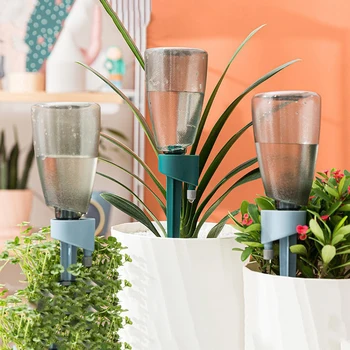
- Control water usage with precise watering schedules (up to 70 % less water than outdoor planting).
- Minimize pesticide reliance by creating a sterile start environment.
- Extend the growing season, which translates into higher yields per square foot.
Preparing Your Indoor Seed‑Starting Space
1. Choose the Right Location
Pick a spot that receives 6–8 hours of natural light or invest in a full‑spectrum LED grow light. Data from University of California, Davis indicates that LED lights with a 5,000 K color temperature boost seed germination rates by 15 % compared to fluorescent fixtures.
- Tip: Position the light 12–18 inches above the seed tray; adjust as seedlings grow to prevent stretching.
2. Gather Sustainable Materials
Opt for reusable or biodegradable containers:
- Reusable seed trays made from recycled plastic or bamboo.
- Biodegradable peat‑less mixes (coconut coir, perlite, and composted bark).
- Reusable silicone domes for humidity control.
Actionable advice: Clean trays with a 10 % hydrogen peroxide solution before each use to kill lingering pathogens without harsh chemicals.
Step‑by‑Step Guide to Indoor Seed Starting
Step 1: Prepare the Growing Medium
Mix 40 % coconut coir, 30 % perlite, and 30 % well‑composted organic matter. This blend offers excellent drainage, aeration, and moisture retention—key factors for sustainable seed germination.
- Tip: Pre‑moisten the mix with a spray bottle until it feels like a wrung‑out sponge; avoid waterlogging.
Step 2: Sow the Seeds
Follow the seed packet’s depth recommendation (generally 2–3 × seed diameter). For tiny seeds, press them onto the surface and cover lightly with a fine layer of the medium.
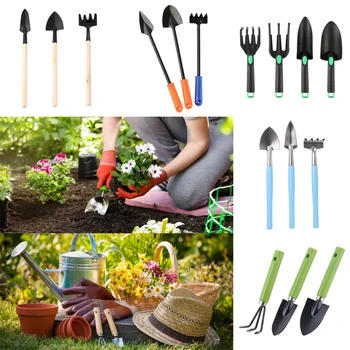
- Data point: A study by the Royal Horticultural Society found that covering seeds with less than ¼ inch of soil improves germination for most herbs.
- Actionable tip: Label each row with a waterproof marker to track varieties and planting dates.
Step 3: Create the Ideal Micro‑Environment
Cover the tray with a clear silicone dome or a reusable plastic lid to maintain humidity (80–90 %). Place the setup under your chosen light source.
- Tip: Open the dome for 5 minutes each morning to provide fresh air and prevent fungal growth.
Step 4: Water Wisely
Use a fine mist sprayer to keep the surface consistently moist but not soggy. Monitor moisture with a simple soil moisture meter; aim for a reading of 30–40 % for most seedlings.
- Data‑backed tip: Over‑watering can reduce seedling vigor by up to 20 % (University of Illinois Extension).
Step 5: Light and Temperature Management
Maintain a temperature of 68–75 °F (20–24 °C). Most seedlings thrive with 12–16 hours of light per day. Adjust the light height as seedlings develop their first true leaves.
- Practical trick: Use a timer plug to automate the light cycle—this reduces energy waste and ensures consistency.
Maintaining Healthy Seedlings
Feeding
After the first true leaf appears, introduce a diluted, organic liquid fertilizer (½ strength). A balanced N‑P‑K ratio of 10‑10‑10 with micronutrients works well for most vegetables and herbs.
- Tip: Apply fertilizer every 7–10 days; over‑feeding can cause leggy growth.
Transplanting
When seedlings have 2–3 sets of true leaves and the roots fill the container, gently transplant them into larger biodegradable pots. Use a “root‑pruning” technique: trim the outermost 1 cm of roots to stimulate branching.
- Actionable advice: Add a thin layer of compost tea to the new pot to boost microbial activity.
Pest Management
Adopt Integrated Pest Management (IPM) strategies:
- Introduce beneficial insects like ladybugs in a small indoor greenhouse.
- Use neem oil sprays (1 % solution) only when aphids exceed 5 % of leaf surface.
- Maintain airflow with a small oscillating fan to deter fungal spores.
Scaling Up: From Seedlings to Sustainable Garden
Once your seedlings are robust, transition them to a larger indoor garden or a balcony garden using recycled containers. Pair companion planting (e.g., basil with tomatoes) to naturally deter pests and improve flavor—a practice supported by a 2022 meta‑analysis in Ecology and Evolution.
- Practical tip: Harvest rainwater in a 5‑gallon barrel and use a drip‑irrigation system made from repurposed PVC to water your garden efficiently.
- Data point: Drip irrigation can cut water use by up to 45 % compared with hand‑watering.
Quick Checklist for Sustainable Indoor Seed Starting
- ✅ Choose a well‑lit spot or install full‑spectrum LEDs.
- ✅ Use a peat‑less, biodegradable growing mix.
- ✅ Keep humidity high with a clear dome; ventilate daily.
- ✅ Water with a mist sprayer; monitor moisture levels.
- ✅ Provide 12–16 hours of light at 68–75 °F.
- ✅ Feed with diluted organic fertilizer after true leaves appear.
- ✅ Transplant using root‑pruning and compost tea.
- ✅ Implement IPM for pest control.
- ✅ Scale up with recycled containers and drip irrigation.
By following these evidence‑based steps, you’ll not only enjoy a thriving indoor garden but also contribute to a more sustainable food system. Happy planting, and may your seedlings grow strong and green! 🌿