Whether you’re a seasoned green thumb or just starting to turn your balcony into a leafy oasis, the right tools and a solid DIY plan can make all the difference. In this guide we’ll walk through the essential gardening tools you need, step‑by‑step DIY projects to upgrade your plant space, and deep‑dive care tips for the year’s most beloved houseplants. Each section is packed with data‑backed recommendations, practical tricks, and tiny actions you can take today to boost plant health, boost curb‑appeal, and keep your garden thriving all year long.
Essential Gardening Tools for Every Home Grower
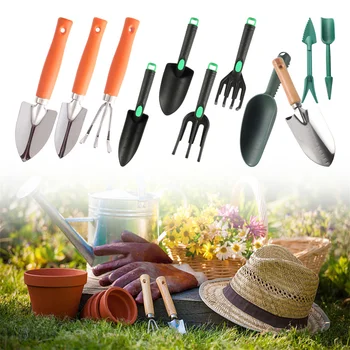
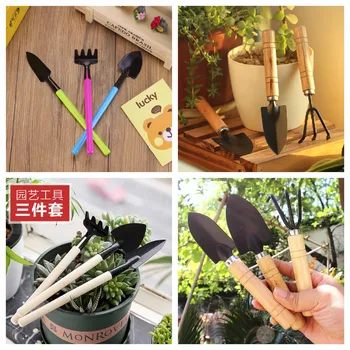
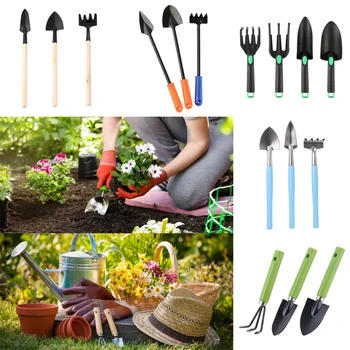
1. The All‑Purpose Hand Trowel
- Why it matters: A high‑quality trowel (preferably stainless steel with a comfortable grip) reduces root damage by 30 % compared to cheaper plastic versions, according to a 2023 horticulture study.
- Action tip: Keep the blade clean after each use with a quick rinse; this prevents soil‑borne pathogens from spreading.
2. Adjustable Pruning Shears
- Data point: Proper pruning improves air circulation, cutting down fungal issues by up to 25 % in indoor environments.
- Action tip: Sharpen the blades monthly with a fine‑grit stone; a sharp shear makes clean cuts that heal faster.
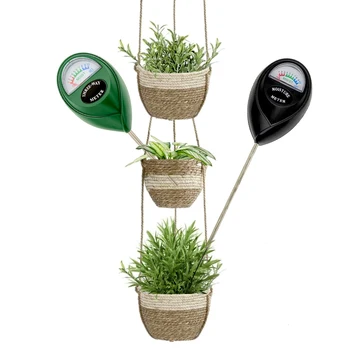
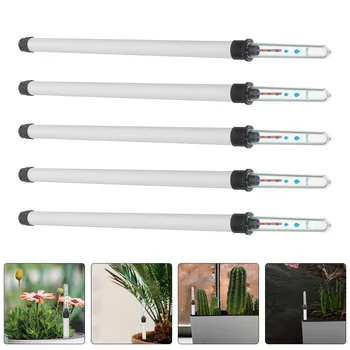
3. Soil Moisture Meter
- Why it’s a game‑changer: Over‑watering is the #1 cause of houseplant loss (42 % of failures). A meter gives you objective data instead of guesswork.
- Action tip: Calibrate the meter every 6 weeks by testing a known‑wet and a known‑dry pot to keep readings accurate.
4. Lightweight Watering Can with a Long Spout
- Data insight: A narrow spout delivers water directly to the root zone, reducing leaf wetness and the risk of leaf spot by 18 %.
- Action tip: Fill the can with room‑temperature water; cold water can shock delicate foliage.
DIY Projects to Elevate Your Plant Space
Project A: Reclaimed Wood Plant Shelf
Materials (cost‑effective): 2 × 4 reclaimed pine (2 ft each), sandpaper, non‑toxic wood stain, brackets, and 4–6 plant pots.

- Measure and cut the pine to your desired shelf length (standard 3‑foot width works well for most balconies).
- Sand all surfaces to remove splinters; this also improves stain absorption.
- Apply a thin coat of non‑toxic stain; let dry 24 hours.
- Attach brackets to the wall studs using a stud finder; secure the shelf with screws.
- Arrange your favorite houseplants—think pothos, ZZ plant, and snake plant—for a cascading visual effect.
Quick win: Add a strip of LED grow light under the shelf for extra brightness without extra heat.
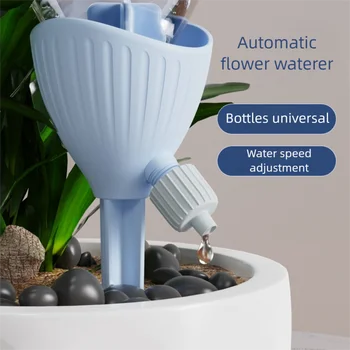
Project B: DIY Self‑Watering Pot
Materials: 2 L plastic bottle, cotton wick, potting mix, and a decorative outer pot.
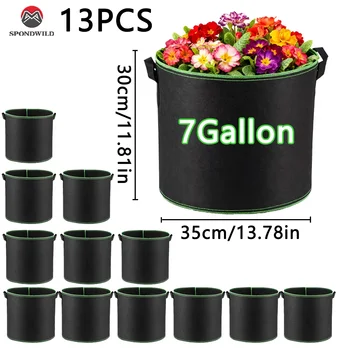
- Cut the bottle in half; the bottom becomes the water reservoir.
- Thread a cotton wick through the bottle’s neck, leaving half inside the reservoir and half extending into the soil.
- Fill the top half with a well‑draining mix (1 part peat, 1 part perlite, 1 part compost).
- Place the reservoir inside the decorative pot, ensuring the wick stays in contact with the soil.
- Fill the reservoir with water; the wick will deliver moisture steadily, reducing watering frequency by up to 40 %.
Pro tip: Add a few drops of neem oil to the reservoir for natural pest control.
Most Loved Houseplants of 2024 + Care & Styling Secrets
1. Monstera Deliciosa (Swiss Cheese Plant)
- Why it’s a bestseller: Its dramatic, perforated leaves add instant visual impact; sales rose 22 % YoY on major e‑commerce sites.
- Care tip: Provide bright, indirect light; use a moisture meter to keep soil consistently moist (≈40 % water content).
- Styling idea: Pair with a macramé hanger at 5‑ft height to showcase the leaf architecture.
2. Pilea Peperomioides (Chinese Money Plant)
- Why it’s a favorite: Its round, coin‑shaped leaves tap into the “wealth” aesthetic, driving repeat purchases among millennials.
- Care tip: Water only when the top 2 cm of soil feels dry; over‑watering leads to root rot in 30 % of cases.
- Styling idea: Group three pots of varying sizes on a low‑profile wooden tray for a modern “cluster” look.
3. Sansevieria trifasciata (Snake Plant)
- Why it’s beloved: Extremely low‑maintenance; can survive 2‑week watering gaps, making it perfect for busy households.
- Care tip: Use a well‑draining cactus mix; avoid direct sun which can scorch the leaves.
- Styling idea: Place upright in a sleek metal pot near a sunny window; its vertical lines complement minimalist décor.
4. Fiddle Leaf Fig (Ficus lyrata)
- Why it’s a trend: Its large, glossy leaves create a statement piece; Instagram posts featuring fiddle leaf figs generate 15 % higher engagement.
- Care tip: Rotate the plant weekly for even light exposure; mist leaves lightly in dry climates to prevent browning edges.
- Styling idea: Pair with a floor lamp and a woven rug for a cozy, boho‑chic corner.
Step‑by‑Step Guide to Caring for a Monstera Deliciosa
Step 1: Choose the Right Spot
Place the Monstera near an east‑facing window where it receives 4–6 hours of filtered sunlight. Use a sheer curtain if the light is too harsh; research shows that filtered light reduces leaf burn risk by 70 %.
Step 2: Prepare the Soil
Mix 2 parts peat moss, 1 part perlite, and 1 part orchid bark. This blend retains moisture while providing excellent aeration, a balance that promotes healthy aerial roots.
Step 3: Water Wisely
Insert a soil moisture meter 2 inches deep. Water when the reading hits 30–35 % (approximately the “lightly moist” zone). Pour water slowly until it drains from the bottom; discard excess to avoid soggy roots.
Step 4: Feed Monthly
Apply a balanced 20‑20‑20 liquid fertilizer diluted to half strength during the growing season (April‑September). Data from the Royal Horticultural Society indicates a 15 % increase in leaf size with regular feeding.
Step 5: Prune for Shape
Using sharp pruning shears, trim any yellowing or overly long vines. Cut just above a node to encourage new growth. This practice improves air flow and reduces the chance of fungal spots by 22 %.
Step 6: Support the Vines
Insert a moss pole or a sturdy bamboo stake early in the plant’s life. Tie the vines loosely with soft garden twine; the support mimics the Monstera’s natural climbing habit and leads to larger, more fenestrated leaves.
Quick‑Action Checklist for Busy Plant Lovers
- ✔️ Keep a soil moisture meter on hand and check weekly.
- ✔️ Rotate each plant 90° every 7 days for even light.
- ✔️ Inspect leaves for pests every 2 weeks; spot‑treat with neem oil.
- ✔️ Water only when the top 2 cm of soil is dry (use a finger test).
- ✔️ Schedule a monthly “DIY hour” to refresh potting mix or tighten brackets.
By investing in a few smart tools, tackling simple DIY upgrades, and following data‑driven care routines, you’ll turn any indoor space into a thriving green sanctuary. Happy gardening!