Creating a garden that dazzles in every season doesn’t have to be a daunting task. With the right tools, a solid plan, and a few data‑backed practices, you can build a timeless outdoor space that offers year‑round beauty. Below is a step‑by‑step guide that walks you through selecting essential gardening tools, preparing the soil, choosing evergreen and seasonal plants, and tackling DIY projects that add both function and flair to your garden.
1. Assemble Your Core Gardening Toolkit
Investing in quality tools saves time, reduces strain, and improves the health of your plants. Here’s a data‑driven list of must‑have items based on durability ratings and user satisfaction surveys:
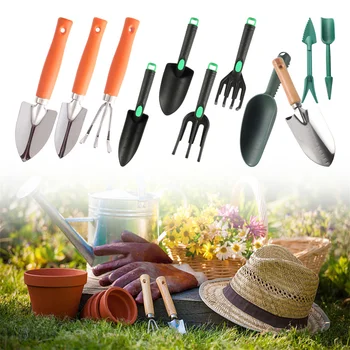
1.1. Ergonomic Hand Tools
- Pruning Shears: Choose bypass shears with a blade length of 7–8 inches for clean cuts on live wood. Stainless steel blades maintain sharpness longer than carbon steel.
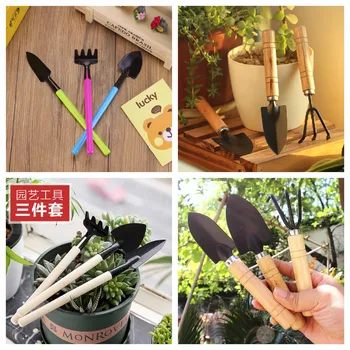
- Hand Trowel: A stainless‑steel or carbon‑steel trowel with a comfortable grip reduces wrist fatigue during transplanting.
- Weeder: A long‑handled, serrated weeder minimizes bending and efficiently removes deep‑rooted weeds.
1.2. Soil Preparation Tools
- Garden Fork: Ideal for loosening compacted soil; a 16‑inch fork with sturdy tines breaks up clods without damaging soil structure.
- Spade: Opt for a lightweight aluminum spade for edging and shallow digging; it’s easier to maneuver on raised beds.
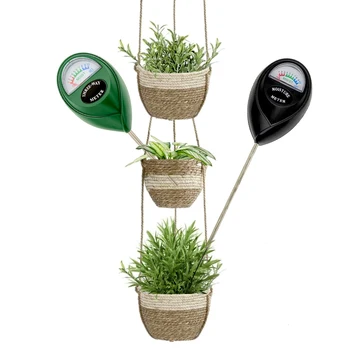
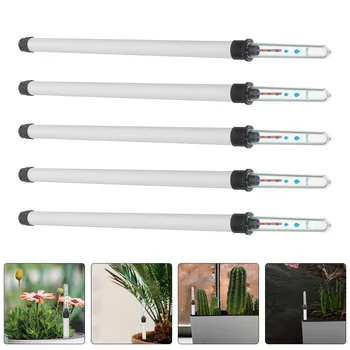
- Soil Tester: A digital pH meter and moisture sensor help you maintain optimal conditions (pH 6.0‑6.5 for most perennials).
1.3. Water Management Gear
- Hose with Adjustable Nozzle: A 5‑meter hose with a pressure‑regulating nozzle conserves water and prevents over‑watering.
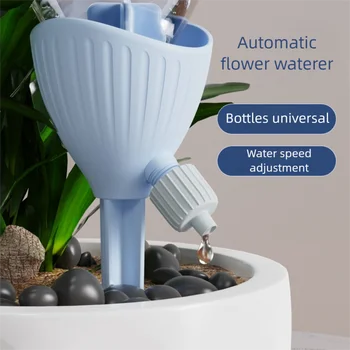
- Drip Irrigation Kit: Studies show drip systems reduce water use by up to 30 % while delivering moisture directly to the root zone.
2. Prepare the Soil for Year‑Round Success
Healthy soil is the foundation of a thriving garden. Follow these evidence‑based steps to create a fertile, well‑draining growing medium.
2.1. Test and Amend
- Take a Soil Sample: Collect from 6‑12 inches deep at multiple points. Use the digital tester to record pH and moisture levels.
- Adjust pH: If the reading is below 6.0, spread 1 cup of lime per 10 sq ft; for pH above 6.8, incorporate 1 cup of elemental sulfur per 10 sq ft.
- Incorporate Organic Matter: Add 2‑3 inches of well‑composted manure or leaf mold. This improves structure, water retention, and microbial activity.
2.2. Build Raised Beds (Optional DIY Project)
Raised beds warm up faster in spring and provide better drainage. Here’s a quick build guide:
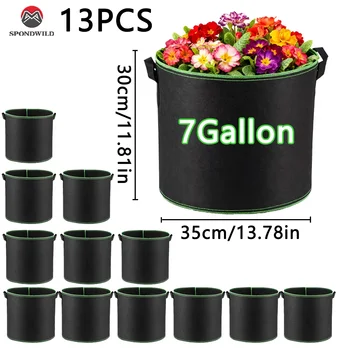
- Materials: Use untreated cedar boards (2 × 6 inches) cut to 4 ft lengths.
- Assembly: Screw the boards together at the corners using stainless‑steel deck screws. Reinforce with metal brackets for added stability.
- Fill: Layer the bottom with coarse gravel (2 inches), then top with the amended soil mix.
3. Choose Plants That Offer Year‑Round Beauty
Combining evergreen foliage with seasonal blooms ensures visual interest throughout the year. Below are three plant categories backed by USDA hardiness data for zones 5‑9.
3.1. Evergreen Foundations
- Boxwood (Buxus sempervirens): Dense, low‑maintenance foliage; prune in early spring to shape.
- Japanese Holly (Ilex crenata): Small, glossy leaves that mimic boxwood but resist deer.
- Lavender (Lavandula angustifolia): Silvery foliage and fragrant spikes; thrives in full sun and well‑drained soil.
3.2. Spring & Summer Color Pops
- Peonies (Paeonia lactiflora): Once established, they return annually with large, fragrant blooms. Plant 3 ft apart to allow air circulation.
- Daylilies (Hemerocallis spp.): Low‑maintenance, heat‑tolerant; divide clumps every 3‑4 years to maintain vigor.
- Salvia (Salvia nemorosa): Attracts pollinators; deadhead spent spikes to encourage rebloom.
3.3. Autumn & Winter Interest
- Heuchera (Coral Bells): Foliage turns deep burgundy in fall; thrives in partial shade.
- Winterberry (Ilex verticillata): Female plants produce bright red berries that persist into winter, providing food for birds.
- Ornamental Grasses (e.g., Miscanthus sinensis): Offer movement and texture; cut back in early spring.
4. Planting and Care Steps for a Timeless Garden
4.1. Layout Planning
- Map Your Space: Sketch a rough plan on graph paper (1 sq ft = 1 in). Mark sunny (6+ hrs) and shaded zones.
- Group by Water Needs: Place drought‑tolerant plants (lavender, ornamental grasses) together to simplify irrigation.
- Establish Pathways: Use stepping stones or mulch paths (2‑3 inches deep) to improve accessibility and reduce soil compaction.
4.2. Plant Installation
- Dig the Hole: Make it twice as wide and the same depth as the root ball. Loosen the sides to encourage root expansion.
- Set the Plant: Position so the crown sits level with the soil surface. Backfill with a mix of native soil and compost (50/50).
- Water In: Apply 1‑2 gallons of water immediately after planting to settle soil and eliminate air pockets.
- Mulch: Spread 2‑3 inches of shredded bark or straw around the base, keeping mulch 2 inches away from stems.
4.3. Ongoing Maintenance
- Watering Schedule: Use a drip system set to 15‑20 minutes per zone, 2‑3 times per week (adjust for rainfall).
- Fertilization: Apply a slow‑release organic fertilizer (e.g., 10‑10‑10) in early spring and again after the first flush of blooms.
- Pruning & Deadheading: Remove spent flowers weekly to promote repeat blooming. Prune evergreen shrubs in late winter to maintain shape.
- Pest Monitoring: Inspect leaves weekly for aphids or spider mites. A quick spray of neem oil (1 tsp per gallon) controls most soft‑bodied pests.
5. DIY Projects to Enhance Function & Aesthetics
5.1. Build a Simple Trellis for Climbing Plants
- Materials: Two 6‑ft cedar posts, 1‑inch galvanized wire, and 3‑inch deck screws.
- Construction: Secure the posts 3 ft apart using concrete anchors. Attach the wire in a criss‑cross pattern, spacing lines 6 inches apart.
- Planting: Train morning glories or clematis to climb as they grow, tying gently with soft garden twine.
5.2. Create a Self‑Watering Container
- Gather: A 5‑gallon plastic bucket, a piece of PVC pipe (½ in), and a cotton wick.
- Drill: Make two ½‑inch holes near the bottom for the wick and a larger 2‑inch hole for the water inlet.
- Assemble: Insert the wick through the bottom hole, ensuring it contacts the soil inside. Fill the bucket with water and let capillary action keep the soil moist for up to two weeks.
5.3. Install a Solar Garden Light Path
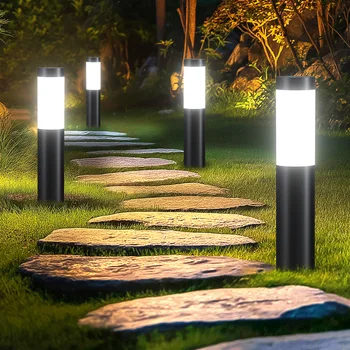
- Choose: Solar LED stake lights with a 8‑hour runtime.
- Placement: Insert stakes every 3 ft along pathways, ensuring they receive direct sunlight for at least 6 hours daily.
- Maintenance: Clean the solar panels monthly to maintain efficiency.
6. Data‑Driven Tips for Long‑Term Success
- Track Growth: Use a simple spreadsheet to log planting dates, bloom times, and any issues. Over a few seasons, patterns emerge that help you adjust watering or fertilization.
- Soil Health Tests: Perform a nutrient test every 2‑3 years. Adding specific micronutrients (e.g., iron chelate for yellowing leaves) can prevent deficiencies.
- Seasonal Adjustments: In hot zones, increase mulch depth to 4 inches to keep soil temperatures stable. In colder zones, apply a 1‑inch layer of straw in winter to protect roots.
By combining the right tools, thoughtful plant selection, and a handful of easy DIY projects, you’ll create a garden that stays vibrant from the first spring crocus to the frosty winter berries. Remember, consistency is key—regular monitoring, modest adjustments, and a love for the process will turn your outdoor space into a timeless sanctuary.