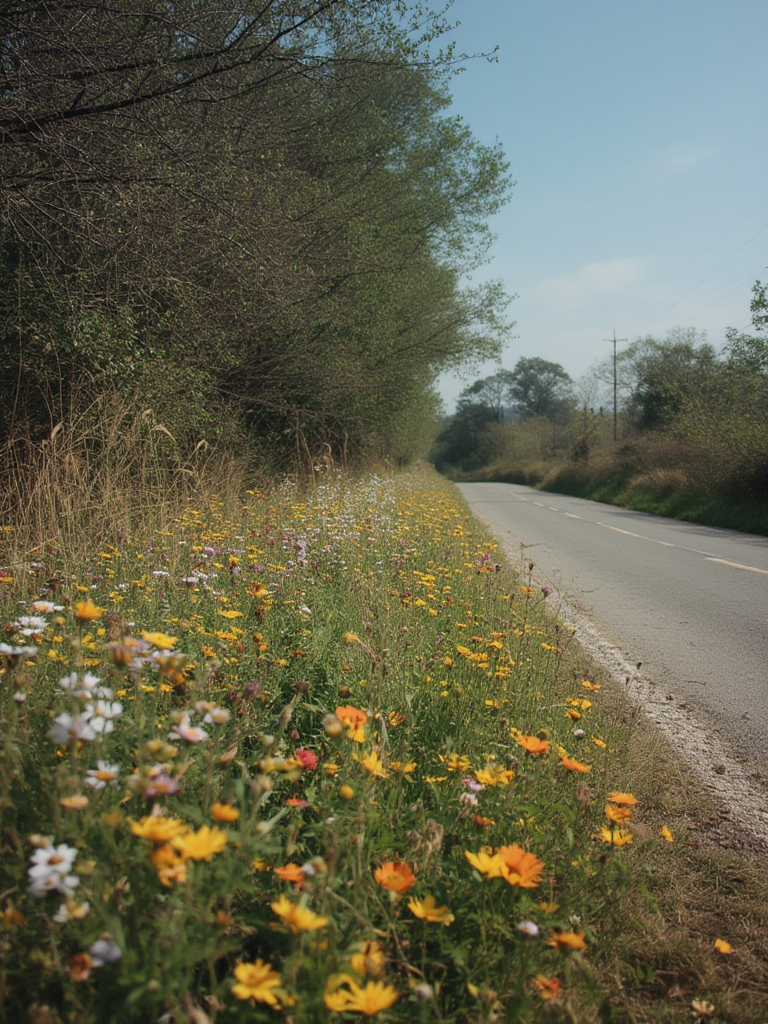
Welcome to your ultimate guide on mastering gardening tools and DIY projects that will transform any outdoor space into a thriving, colorful oasis. Whether you’re a seasoned green thumb or just starting out, this post walks you through essential tools, smart DIY upgrades, and a step‑by‑step plan to grow a vibrant herb garden that not only tastes great but also adds harmonious colors to your landscape 🌸.
Essential Gardening Tools for Every DIY Enthusiast
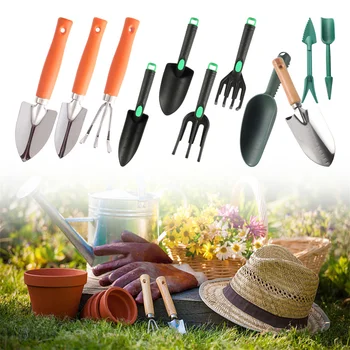
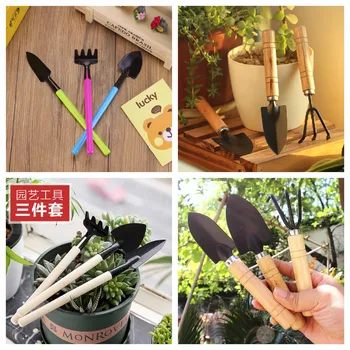
Before you dig in, equip yourself with a reliable toolkit. Quality tools save time, reduce strain, and improve plant health.
1. Hand Trowel
- Why it matters: Perfect for planting seedlings, transplanting, and soil aeration.
- Tip: Choose a stainless‑steel blade with a comfortable, non‑slip grip. Keep the blade clean after each use to prevent disease spread.
2. Pruning Shears (Secateurs)
- Why it matters: Precise cuts encourage healthy growth and prevent sap loss.
- Tip: Sharpen blades quarterly with a fine file; a clean cut reduces plant stress.
3. Garden Fork & Cultivator
- Why it matters: Loosens compacted soil, improves drainage, and mixes organic matter.
- Tip: Use a fork with a long handle to protect your back; work the soil when it’s moist, not soggy.
4. Watering Can with Rose Head
- Why it matters: Delivers a gentle, even flow that protects delicate seedlings.
- Tip: Fill with lukewarm water to avoid shocking roots; add a few drops of liquid seaweed for a nutrient boost.
5. Garden Kneeler & Seat
- Why it matters: Reduces knee strain and provides a stable platform for low‑lying work.
- Tip: Choose a model with a detachable seat so you can switch between kneeling and sitting as needed.
DIY Projects to Boost Your Garden’s Visual Appeal
Now that you have the right tools, let’s add some personality with simple, budget‑friendly DIY projects that incorporate harmonious colors and textures.
DIY 1: Painted Terracotta Pot Gallery
- Gather supplies: Terracotta pots, acrylic paint in soft greens, blues, and muted pinks, painter’s tape, and sealant.
- Prep the pots: Scrub with mild soap, rinse, and let dry completely.
- Design: Use painter’s tape to create geometric stripes or leaf patterns. Stick to a palette of complementary colors (e.g., sage green, sky blue, blush pink) to maintain a balanced look.
- Paint: Apply two thin coats, allowing each to dry before the next. Finish with a clear sealant for weather resistance.
- Placement: Cluster pots in groups of three or five for visual rhythm. Mix heights by adding pot feet or stacking crates.
DIY 2: Recycled Wood Herb Shelf
- Materials: Two reclaimed wooden pallets, sandpaper, exterior wood stain (light oak or soft gray), brackets, and screws.
- Prep the wood: Sand rough edges, wipe away dust, and apply a thin coat of stain to enhance natural grain while protecting against moisture.
- Assembly: Attach brackets to the wall at eye level, then secure pallets horizontally. Space shelves 12‑15 inches apart for optimal airflow.
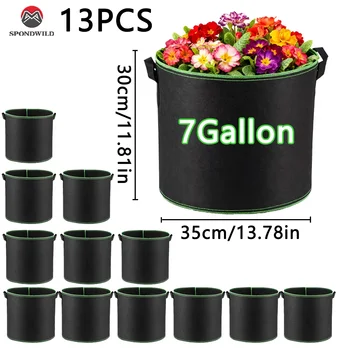
- Planting: Use small fabric pots for herbs; the breathable fabric prevents root rot and adds texture.
- Finishing touch: Add a string of solar‑powered fairy lights for a soft glow that highlights the harmonious color scheme.
Step‑by‑Step Guide: Growing a Lush Herb Garden
Herbs are forgiving, fast‑growing, and perfect for beginners. Follow these detailed steps to ensure a thriving, aromatic garden.
Step 1: Choose the Right Location
- Sunlight: Most herbs need 6‑8 hours of direct sun. Observe your yard for a sunny spot that receives morning light and afternoon shade.
- Color harmony: Position the garden near a flower border of lavender or marigold. The soft purples and yellows create a balanced backdrop that enhances the green foliage.
Step 2: Prepare the Soil
- Soil mix: Combine 1 part compost, 1 part peat moss, and 2 parts loamy garden soil. This blend provides drainage, nutrients, and a light texture.
- pH check: Herbs prefer a slightly acidic to neutral pH (6.0‑7.0). Use a simple garden pH tester; if needed, add lime to raise pH or elemental sulfur to lower it.
- Tip: Sprinkle a thin layer of crushed eggshells for calcium and natural pest deterrence.
Step 3: Planting Your Herbs
- Selection: Start with basil, parsley, thyme, rosemary, and mint. These varieties offer a range of flavors and textures.
- Spacing: Plant larger herbs (rosemary, mint) 12‑18 inches apart; smaller ones (basil, thyme) 8‑10 inches apart to allow airflow.
- Depth: Plant seedlings at the same depth they were in their containers. Gently firm soil around roots to eliminate air pockets.
- Watering: Water immediately after planting with a gentle soak; avoid overwatering, which can cause root rot.
Step 4: Ongoing Care & Maintenance
- Water schedule: Keep soil consistently moist but not soggy. A good rule: water when the top inch feels dry to the touch.
- Mulching: Apply a 1‑inch layer of shredded bark or straw. Mulch retains moisture, suppresses weeds, and adds a uniform, earthy tone that complements your color palette.
- Fertilizing: Feed with a balanced liquid fertilizer (10‑10‑10) once a month during the growing season. Over‑fertilizing can lead to weak, leafy growth.
- Pruning: Harvest leaves regularly—snipping just above a leaf node encourages bushier growth. Use clean pruning shears to prevent disease.
- Pest control: Spot‑check for aphids or spider mites. A spray of diluted neem oil (1 tsp per quart water) works effectively without harming beneficial insects.
Step 5: Harvest & Enjoy
- Timing: Harvest basil before it flowers for the best flavor. For rosemary, cut stems in the morning after the dew has dried.
- Storage: Rinse herbs, pat dry, and store in a zip‑top bag with a damp paper towel in the fridge. Alternatively, freeze chopped herbs in ice‑cube trays with olive oil for ready‑to‑use portions.
- Creative use: Incorporate fresh herbs into salads, teas, or homemade pest‑repellent sprays—your garden’s bounty becomes a multi‑purpose resource.
Putting It All Together: A Harmonious Garden Design
Integrate your tools, DIY projects, and herb garden into a cohesive space that feels alive and balanced:
- Color flow: Use the painted terracotta pots in pastel shades to echo the soft hues of nearby flower beds. This creates a visual bridge between functional containers and decorative flora.
- Vertical interest: Mount the recycled wood herb shelf against a sunny wall, then drape a climbing vine (e.g., sweet pea) over the top. The vine adds a splash of pink or purple, reinforcing the harmonious palette.
- Texture layers: Combine smooth ceramic pots, rough reclaimed wood, and soft mulch. The contrast of textures adds depth and invites tactile interaction.
- Seasonal refresh: Rotate herbs every 3‑4 months, replacing older plants with seasonal varieties like cilantro in summer or sage in fall. This keeps the garden dynamic and continuously colorful.
By mastering the right tools, embracing simple DIY projects, and following a data‑driven planting plan, you’ll cultivate a garden that not only produces fresh herbs but also radiates balanced, harmonious colors throughout the year. Happy gardening!