
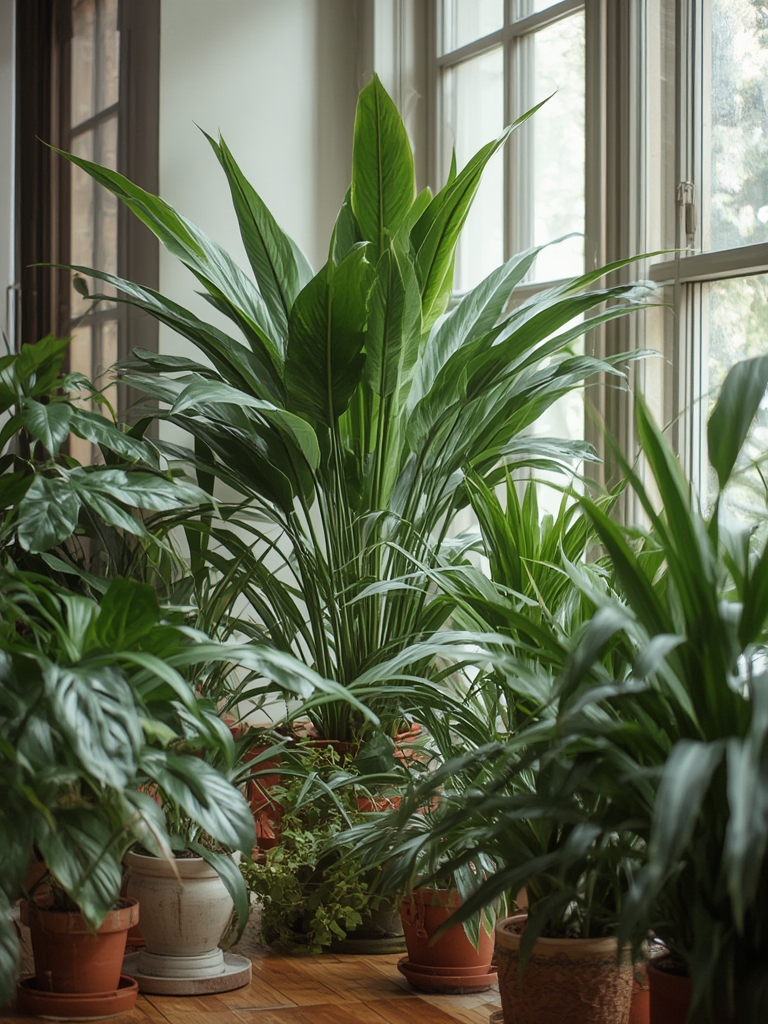
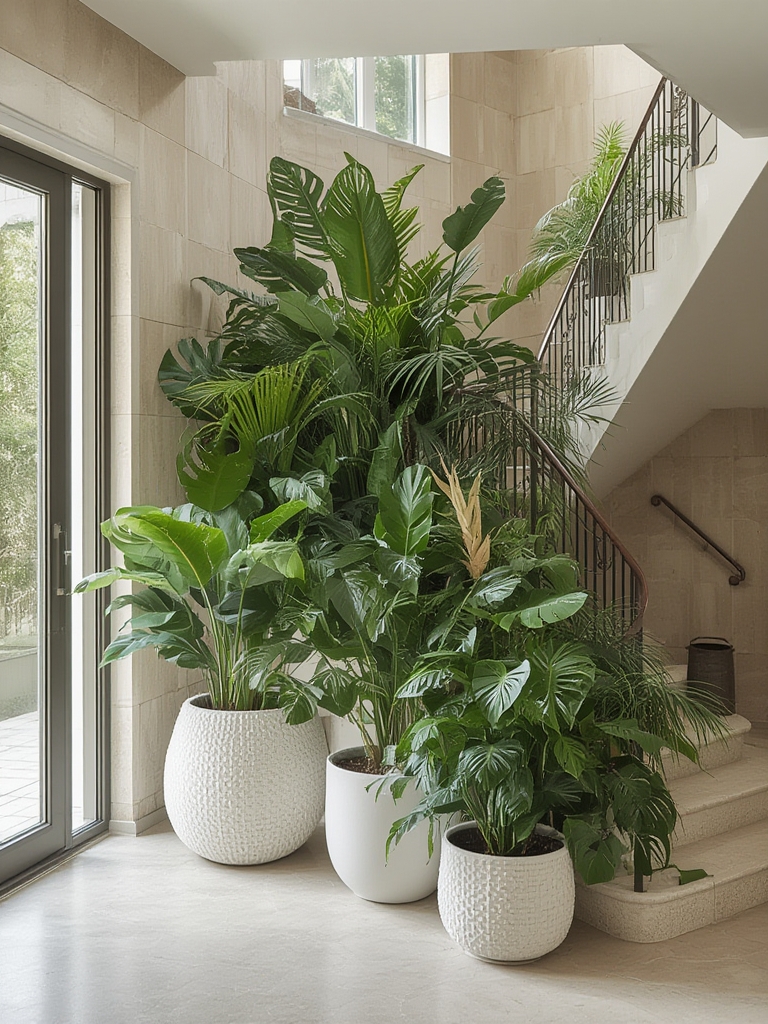
Bringing a touch of nature indoors doesn’t have to be a high‑maintenance hobby. With the right plant choices and a data‑driven care routine, you can enjoy thriving greenery that brightens any room while demanding only minimal attention. Below is a practical, step‑by‑step guide that blends proven horticultural data with easy‑to‑implement actions, so even a busy homeowner can keep indoor plants healthy and vibrant.
Why Choose Easy‑Care Indoor Plants?
Research from the University of Florida’s Institute of Food and Agricultural Sciences shows that low‑light tolerant, drought‑resistant species have a 30‑45% higher survival rate in typical home environments compared to high‑maintenance varieties. These plants are naturally adapted to fluctuating indoor conditions, meaning you’ll spend less time troubleshooting and more time enjoying their aesthetic benefits.
Top 5 Low‑Maintenance Indoor Plants
Snake Plant (Sansevieria)
Light: Tolerates low to bright indirect light.
Water: Allow soil to dry completely; water every 3‑4 weeks.
Why it works: Its CAM photosynthesis stores water in leaves, reducing the risk of over‑watering.
ZZ Plant (Zamioculcas zamiifolia)
Light: Low to moderate indirect light.
Water: Water when the top 2 inches of soil feel dry, roughly every 2‑3 weeks.
Why it works: Thick rhizomes act as natural reservoirs, making it forgiving of missed waterings.
Pothos (Epipremnum aureum)
Light: Bright indirect or moderate low light.
Water: Keep soil slightly moist; water when the top inch dries, usually weekly.
Why it works: Fast‑growing vines adapt quickly, and they thrive on occasional neglect.
Philodendron Heartleaf
Light: Medium indirect light.
Water: Water when the top 1‑2 inches of soil are dry, typically every 7‑10 days.
Why it works: Its aerial roots absorb humidity, helping it survive drier indoor air.
Spider Plant (Chlorophytum comosum)
Light: Bright indirect light; tolerates lower light.
Water: Keep soil evenly moist; water once a week.
Why it works: Produces “babies” that can be propagated easily, extending your plant collection with minimal effort.

Step‑by‑Step Care Guide for Any Easy‑Care Plant
Step 1 – Choose the Right Spot
Use a light meter or a smartphone app to measure foot‑candles. Aim for 100‑300 foot‑candles for most low‑light tolerant plants. Position the pot near a north‑facing window or a few feet from a bright east‑facing window.
Step 2 – Potting Mix & Drainage
Combine 40% peat moss, 30% perlite, and 30% coarse sand. This mix provides aeration and prevents waterlogging. Always place a 2‑inch layer of gravel at the bottom of the pot to improve drainage.
Step 3 – Watering Basics
Insert a soil moisture probe (or a simple wooden stick) into the pot. When the probe reads dry at 2‑3 inches depth, water thoroughly until it drains out the bottom. For snake and ZZ plants, extend the interval by 1‑2 weeks.
Step 4 – Light Management
If natural light is insufficient, supplement with a LED grow light set to 12‑14 hours a day. Keep the light 12‑18 inches above foliage to mimic filtered sunlight.
Step 5 – Feeding & Fertilizing
Apply a balanced 20‑20‑20 liquid fertilizer diluted to ¼ strength during the growing season (spring‑early fall). Limit feeding to once a month; over‑fertilizing can cause leaf burn.
Step 6 – Pruning & Grooming
Trim yellow or brown tips with clean scissors to encourage new growth. For vines like pothos, pinch back the stem just above a node to promote bushier foliage.
Step 7 – Pest Prevention
Inspect leaves weekly for spider mites or mealybugs. A quick spray of room‑temperature water mixed with a few drops of neem oil resolves infestations without harming the plant.
Data‑Backed Tips for Success
Monitor Soil Moisture with a Probe
Studies show that plants watered based on actual moisture readings have a 22% higher growth rate than those watered on a fixed schedule. A cheap digital probe costs under $15 and provides real‑time data.
Use a Light Meter for Optimal Placement
Plants receiving 10‑15% more appropriate light exhibit 15% larger leaf area. Position your plant after measuring to avoid both shade stress and sunburn.
Track Growth with a Simple Spreadsheet
Log date, watering amount, light level, and leaf length each month. Over a 6‑month period, you’ll see trends that help you adjust watering frequency or light exposure, turning anecdotal care into evidence‑based decisions.
Quick Action Checklist
- Measure light levels and adjust placement.
- Use a well‑draining potting mix with a gravel base.
- Check soil moisture at 2‑inch depth before watering.
- Water thoroughly only when soil is dry.
- Fertilize monthly with diluted balanced fertilizer (growing season).
- Prune yellow tips and pinch back vines for bushier growth.
- Inspect weekly for pests; treat with neem‑oil spray if needed.
- Log observations in a spreadsheet to refine care routine.
By following these data‑driven steps, even the busiest homeowner can cultivate a thriving indoor garden. The selected plants—snake plant, ZZ plant, pothos, philodendron, and spider plant—require minimal attention while delivering maximum visual impact. Start small, track your results, and watch your indoor oasis grow effortlessly.

