
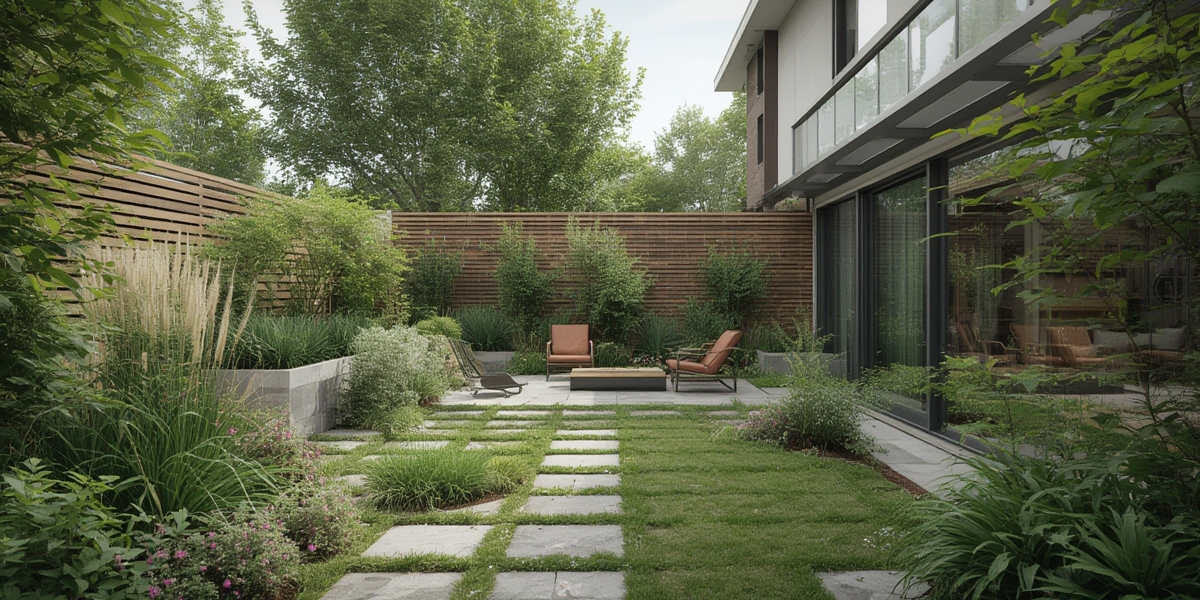
Welcome to the world of modern garden design! If you’re a beginner gardener looking to create a sleek, contemporary outdoor space without overwhelming yourself, you’re in the right place. By focusing on a few simple elements—clean lines, thoughtful plant choices, and subtle textures—you can transform any backyard into a stylish retreat. Below, we’ll walk through each step, share practical tips, and point out common mistakes to avoid, all while keeping the process enjoyable and achievable.
Start with a Clear Vision
Define Your Style
Modern gardens thrive on simplicity. Think of a neutral color palette, minimal clutter, and a sense of balance. Before you pick plants or purchase furniture, take a moment to sketch a rough layout. Visualize where you want seating, pathways, and focal points. This early planning stage helps you stay focused and prevents the garden from becoming a chaotic mix of unrelated elements.
Assess Your Space
Measure the area you have to work with. Note the amount of sunlight each zone receives—full sun, partial shade, or full shade—as this will guide your plant selection. Also, consider existing structures like fences, walls, or patios that can be incorporated into your design.
Select Simple, Low‑Maintenance Plants
Choose Architectural Plants
Architectural plants provide strong, defined shapes that complement modern aesthetics. Good options include:
- Boxwood (Buxus spp.) – perfect for clean hedges and topiaries.
- Japanese maple (Acer palmatum) – offers striking foliage with minimal upkeep.
- Agave and other succulents – add sculptural interest and thrive in sunny spots.
Incorporate Evergreen Grasses
Grasses such as Miscanthus sinensis or Pennisetum alopecuroides bring texture without demanding constant care. Their vertical lines echo the geometric feel of modern design while providing movement as they sway in the breeze.
Add Seasonal Color Sparingly
To keep the garden feeling fresh year after year, choose a few perennials that bloom at different times. Examples include:
- Lavender (Lavandula angustifolia) – fragrant, drought‑tolerant, and fits a muted palette.
- Salvia (Salvia nemorosa) – offers spikes of purple or blue.
- Hostas – ideal for shaded corners, providing lush foliage.
Use these plants as accents rather than the main focus, allowing the garden’s structure to remain the star.
Design Clean Pathways and Hardscape Elements
Choose Simple Materials
Materials like large concrete pavers, smooth river stones, or reclaimed wood planks create a clean, cohesive look. Stick to a limited color range—grays, whites, and natural wood tones—to maintain visual harmony.
Lay Out Straight or Slightly Curved Lines
Straight lines convey a modern vibe, but a subtle curve can add gentle flow without breaking the simplicity. Keep pathways wide enough for comfortable movement (at least 3 feet for a main path) and ensure they are level to prevent tripping hazards.
Integrate Subtle Lighting
Low‑profile LED strip lights along pathways or small spotlights highlighting a focal plant can extend the garden’s usability into the evening. Choose fixtures with a warm white hue to keep the ambiance inviting.
Incorporate Functional Furniture and Accessories
Select Minimalist Seating
Opt for sleek metal or wooden benches with clean lines. A single low‑profile lounge chair paired with a small side table can serve as a focal point without overcrowding the space.
Use Simple Containers
When adding extra plants, choose uniform pots—think matte black, white, or natural terracotta. Consistency in container style reinforces the modern aesthetic.
Add Textural Accents
Consider a few decorative elements such as a smooth stone sculpture, a woven bamboo mat, or a minimalist water feature. These pieces should be understated, allowing the garden’s architecture to remain front and center.
Practical Tips for Ongoing Success
Establish a Maintenance Routine
Even low‑maintenance gardens benefit from regular care. Schedule a weekly walk‑through to:
- Remove weeds before they set seed.
- Trim back overgrown foliage to preserve clean lines.
- Check soil moisture and water only when needed.
Mulch for Cleanliness and Health
A thin layer of organic mulch (such as shredded bark) around plants suppresses weeds, retains moisture, and gives a tidy appearance. Keep mulch a few inches away from plant stems to prevent rot.
Plan for Seasonal Adjustments
As the year progresses, you may need to replace annuals, prune perennials, or adjust irrigation. Keep a small stash of favorite plants and tools nearby so you can quickly refresh the garden without a major overhaul.
Common Mistakes to Avoid
Overcrowding Plants
Modern design thrives on space. Planting too many species too close together creates visual clutter and can lead to competition for nutrients and water. Give each plant room to breathe—both aesthetically and biologically.
Ignoring Light Conditions
Placing sun‑loving succulents in a shady corner, or shade‑tolerant ferns in full sun, results in stressed plants and a lackluster garden. Always match plant requirements to the site’s light exposure.
Choosing High‑Maintenance Materials
While a polished stone bench may look elegant, it can become slippery when wet and may require frequent sealing. Opt for materials that are durable and easy to clean, aligning with the goal of simplicity.
Neglecting Soil Health
Even the most beautiful design will falter if the soil is poor. Test your soil’s pH and nutrient levels before planting, and amend with compost or organic matter as needed. Healthy soil supports robust plant growth and reduces the need for chemical interventions.
Conclusion
Styling a modern garden with simple elements is all about balance—balancing form and function, structure and softness, effort and ease. By starting with a clear vision, selecting architectural plants, designing clean pathways, and choosing minimalist furniture, you can create a garden that feels both contemporary and welcoming. Remember to keep maintenance manageable, avoid common pitfalls, and enjoy the process of watching your space evolve. With these steps, even a beginner gardener can achieve a polished, modern garden that becomes a favorite retreat for years to come.