Creating a thriving garden that respects the planet doesn’t have to be complicated. By focusing on soil health, water efficiency, native plant selection, and natural pest control, you can build a sustainable, chemical‑free garden that yields fresh produce, beautiful blooms, and a healthier ecosystem. Below is a data‑driven, step‑by‑step guide that blends proven gardening science with practical, actionable tips you can start using today.
Step 1: Assess Your Site and Soil
1.1 Conduct a Soil Test
Start with a simple DIY soil test kit or send a sample to your local extension service. Look for pH (ideal 6.0‑7.0 for most vegetables) and nutrient levels (N‑P‑K). Knowing your baseline helps you amend soil precisely, avoiding over‑application of organic matter.

- Tip: Use a garden trowel to collect samples from 5‑10 spots, mix them, and test a single composite sample for a more accurate reading.
- Trick: If the pH is low, spread lime at a rate of 5 lb per 100 sq ft; if it’s high, incorporate elemental sulfur at the same rate.
1.2 Map Sunlight and Wind Patterns
Track sunlight exposure for a full week. Note which areas receive full sun (6‑8 hrs), partial shade (3‑6 hrs), or full shade (<3 hrs). Record prevailing wind directions to plan windbreaks.
- Actionable advice: Position sun‑loving crops (tomatoes, peppers) in full‑sun zones, and shade‑tolerant herbs (mint, parsley) in partial shade.
- Tip: Use a simple wind sock or a piece of lightweight fabric to visualize wind flow and place taller, hardy plants (e.g., ornamental grasses) as natural barriers.
Step 2: Build Healthy, Living Soil
2.1 Add Organic Matter
Incorporate 2‑3 inches of well‑rotted compost or aged manure into the top 12‑inches of soil. This improves structure, water retention, and microbial activity.
- Data point: Studies show that adding 5 % compost by volume can increase vegetable yields by up to 20 %.
- Practical tip: Use a garden fork or a rototiller for even distribution; avoid over‑tilling, which can damage fungal networks.
2.2 Introduce Beneficial Microbes
Apply a mycorrhizal inoculant or a compost tea (1 cup of compost steeped in 5 gal of water for 24 hrs) to the root zone. These microbes enhance nutrient uptake and improve plant resilience.
- Actionable advice: Water the garden with compost tea once a month during the growing season.
- Tip: Use a fine mesh bag for steeping to keep debris out and prevent clogging of irrigation emitters.
Step 3: Choose Native and Drought‑Resistant Plants
3.1 Research Local Flora
Consult your county’s native plant database or a local nursery. Native species are adapted to local climate, require less water, and support pollinators.
- Example: In the Pacific Northwest, consider Oregon grape, Red‑flowering currant, and native ferns.
- Tip: Group plants with similar water needs together (hydrozoning) to reduce irrigation complexity.
3.2 Implement Companion Planting
Pair plants that mutually benefit each other. For instance, plant basil beside tomatoes to deter aphids, or interplant marigolds with beans to suppress nematodes.

- Data insight: Companion planting can reduce pest pressure by up to 30 % compared to monocultures.
- Practical tip: Sketch a garden layout on graph paper, marking companion pairs to visualize spacing and maximize biodiversity.
Step 4: Conserve Water with Smart Irrigation
4.1 Install a Rainwater Harvesting System
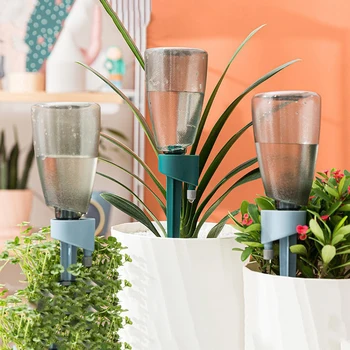
Fit a 200‑gallon rain barrel with a mesh screen to collect runoff from your roof. Use a gravity‑fed drip line to deliver water directly to the root zone.
- Tip: Position the barrel on a raised platform (e.g., cinder blocks) to increase water pressure without a pump.
- Actionable advice: Add a float valve to prevent overflow and a spigot with a hose adapter for easy access.
4.2 Mulch for Moisture Retention
Apply a 2‑3‑inch layer of organic mulch (straw, wood chips, or shredded leaves) after planting. Mulch reduces evaporation, suppresses weeds, and adds nutrients as it decomposes.
- Data point: Mulched beds can retain up to 50 % more soil moisture than bare soil.
- Trick: Replenish mulch annually in early spring to maintain thickness.
Step 5: Manage Pests Naturally
5.1 Attract Beneficial Insects
Plant a small “insect hotel” using bamboo sticks, straw, and pine cones. Include nectar‑rich flowers like yarrow, dill, and fennel to lure ladybugs, lacewings, and hoverflies.
- Tip: Place the hotel near vulnerable crops for quick biological control.
- Actionable advice: Rotate crops each season to disrupt pest life cycles.
5.2 Use Organic Sprays When Needed
If an outbreak occurs, opt for neem oil (2 ml per liter of water) or a garlic‑pepper spray (1 tsp each per gallon). Apply in the early morning or late evening to protect pollinators.
- Data insight: Neem oil disrupts insect feeding and reproduction without harming beneficial insects when used correctly.
- Tip: Test a small leaf area first to ensure no phytotoxic reaction.
Step 6: Harvest, Recycle, and Repeat
6.1 Harvest at Peak Maturity
Pick vegetables when they reach optimal size and color. This encourages continuous production and improves flavor.
- Practical tip: Use a handheld scanner app to log harvest dates; this data helps you refine planting schedules year over year.
6.2 Close the Loop with Compost
Return garden waste (pruned stems, spent plants) to your compost pile. Turn the pile every 2‑3 weeks to accelerate decomposition.
- Actionable advice: Aim for a carbon‑to‑nitrogen ratio of 30:1 (e.g., 3 parts dry leaves to 1 part kitchen scraps).
- Tip: Cover the pile with a breathable tarp to retain moisture while preventing excess rain from washing nutrients away.
By following these data‑backed steps, you’ll cultivate a resilient, chemical‑free garden that not only feeds your family but also nurtures the surrounding environment. Remember, sustainability is a continuous learning process—track your results, adjust based on observations, and enjoy the rewarding journey of eco‑friendly gardening.