Why Sustainable Gardening Matters
Modern gardeners are increasingly aware that a thriving garden can coexist with a healthy planet. Studies show that organic gardening practices can reduce water usage by up to 30% and cut synthetic pesticide runoff by more than 70%. By focusing on soil health, native plants, and closed‑loop resource cycles, you create a resilient space that yields fresh produce, supports pollinators, and lowers your carbon footprint.
Step‑by‑Step Guide to a Chemical‑Free, Sustainable Garden
1. Assess Your Space and Set Realistic Goals
- Measure sunlight exposure: Track the amount of direct sun each area receives over a typical week. Zones with 6‑8 hours of sun are ideal for most vegetables; 3‑5 hours suit shade‑tolerant herbs.
- Map soil type: Perform a simple jar test (soil, water, shake, let settle). Sand, silt, and clay percentages will guide amendment choices.
- Define outcomes: Decide whether you want a food garden, pollinator haven, or a mix. Setting clear objectives helps you choose the right plants and resources.
2. Build Healthy, Living Soil
Healthy soil is the foundation of a sustainable garden. It stores water, nutrients, and carbon while supporting beneficial microbes.
- Start a compost bin: Add equal parts green (kitchen scraps, fresh grass clippings) and brown (dry leaves, shredded newspaper) materials. Turn every 2‑3 weeks; a well‑managed pile reaches 140°F, killing pathogens.
- Incorporate organic matter: Spread a 2‑inch layer of compost over your beds and work it into the top 6‑8 inches of soil. This can increase water retention by up to 20%.
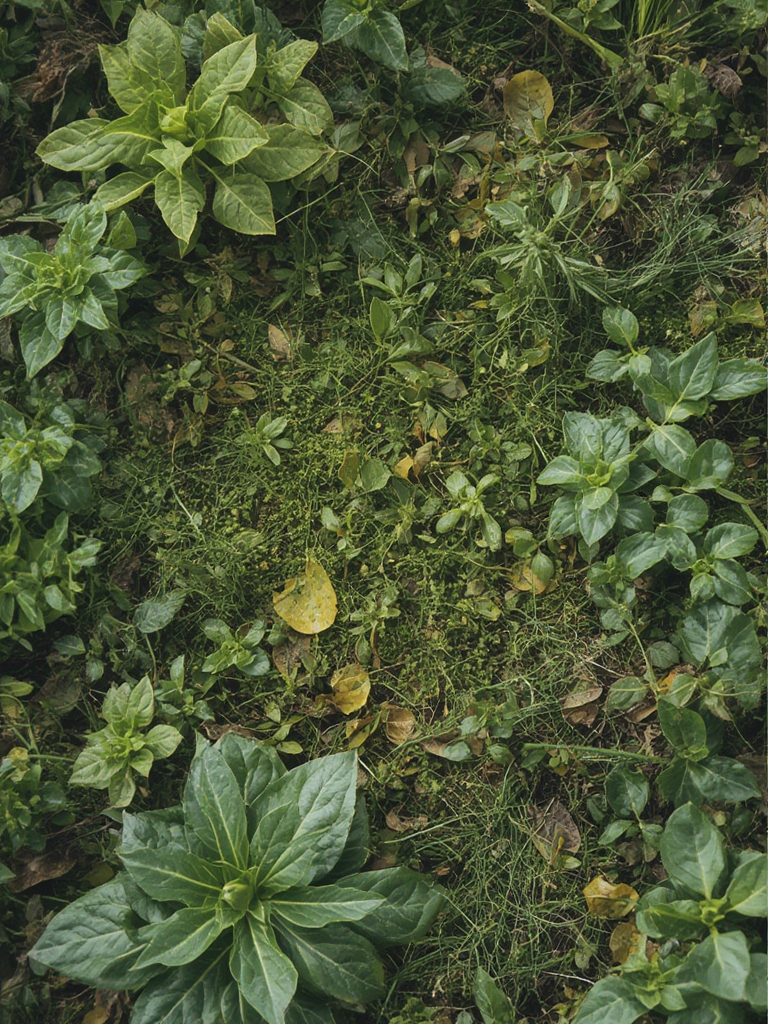
- Use cover crops: Plant legumes like clover or vetch in off‑season beds. They fix nitrogen, suppress weeds, and add biomass when turned under.
3. Conserve Water with Smart Irrigation
Water is the most precious resource in gardening. Efficient use reduces waste and protects local waterways.
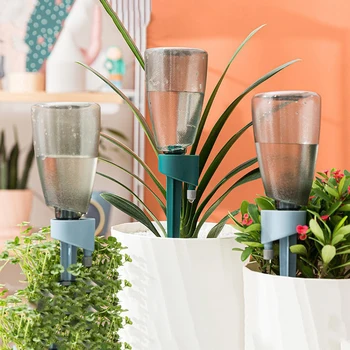
- Install drip irrigation or soaker hoses: These deliver water directly to the root zone, reducing evaporation by up to 50% compared with overhead sprinklers.
- Mulch heavily: Apply 3‑4 inches of organic mulch (straw, wood chips, pine needles). Mulch cuts soil temperature fluctuations and cuts water loss by 30‑40%.
- Harvest rainwater: Connect a rain barrel to your downspout. One barrel (≈200 gal) can water a 100‑sq‑ft garden for a week during dry spells.
4. Choose Native and Adapted Plants
Plants that evolved locally need less water, fertilizer, and pest control.
- Research regional plant lists: Many extension services publish “pollinator‑friendly” or “drought‑tolerant” plant guides. Aim for at least 70% native species in your design.
- Group plants by water needs: Create “hydrozones” – zones with similar moisture requirements – to fine‑tune irrigation.
- Start with seedlings or transplants: Direct sowing can be riskier in unpredictable climates. Transplants give you a head start and reduce the need for repeat sowings.
5. Implement Natural Pest Management
Instead of chemicals, use ecological tactics to keep pests in check.
- Attract beneficial insects: Plant nectar sources like yarrow, dill, and fennel. Ladybugs, lacewings, and parasitic wasps prey on aphids and caterpillars.
- Use physical barriers: Row covers, copper tape for slugs, and netting for birds protect crops without harming the ecosystem.
- Apply homemade sprays: A 1‑2 % neem oil solution or a garlic‑pepper spray can deter many insects. Test on a small leaf first to avoid phytotoxicity.
6. Practice Crop Rotation and Companion Planting
Rotating families (e.g., tomatoes → beans → leafy greens) prevents soil‑borne diseases and balances nutrient use.
- Plan a 3‑year rotation: Keep nightshades, legumes, and brassicas in separate beds each season.
- Use companion pairs: Plant basil alongside tomatoes to improve flavor and repel whiteflies; interplant marigolds to deter nematodes.
- Document outcomes: Keep a simple spreadsheet noting yields, pest pressure, and soil amendments. Data helps refine future rotations.
7. Maintain Your Garden with Low‑Impact Practices
Consistent, mindful care sustains the garden’s health year after year.

- Weed early and regularly: Hand‑weeding before seedheads form reduces competition and eliminates the need for herbicides.
- Prune strategically: Remove dead or diseased wood to improve airflow, which lowers fungal risk.
- Monitor soil moisture: Use a simple probe or a moisture meter. Water only when the top 2 inches are dry, preventing over‑watering.
Quick Action Checklist for Immediate Implementation
- Perform a sunlight and soil test this week.
- Start a compost bin with kitchen scraps and yard waste.
- Lay down a 3‑inch layer of organic mulch on existing beds.
- Install a drip‑line or soaker hose for at least one garden zone.
- Plant three native perennials (e.g., coneflower, bee balm, black-eyed Susan).
- Set up a rain barrel and connect it to a downspout.
- Introduce a small patch of clover as a living mulch and nitrogen fixer.
Measuring Success: Data‑Driven Indicators
Tracking a few key metrics will prove the value of your sustainable approach.
- Water usage: Compare monthly gallons before and after drip installation. Aim for a 25‑30% reduction.
- Soil organic matter: Test every 12‑18 months; an increase of 1‑2 % indicates healthy compost integration.
- Yield per square foot: Record harvest weights. Sustainable methods often match or exceed conventional yields once the system stabilizes.
- Biodiversity count: Note pollinator visits (bees, butterflies) and beneficial insects. A rise in sightings signals a balanced ecosystem.
Final Thoughts
Transitioning to a chemical‑free, sustainable garden is a series of small, data‑backed steps rather than a massive overhaul. By starting with soil health, conserving water, selecting native plants, and embracing natural pest control, you create a self‑reinforcing system that thrives with minimal external inputs. Use the checklist and metrics above to stay accountable, adjust as needed, and watch your garden flourish while you contribute to a greener planet.