
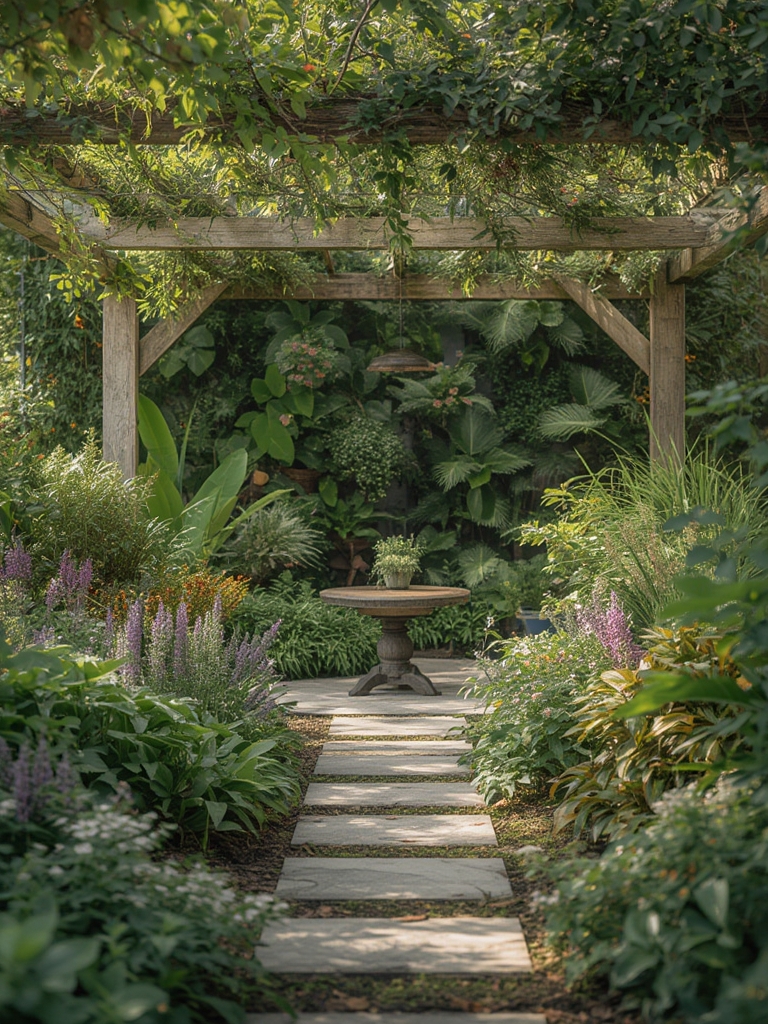
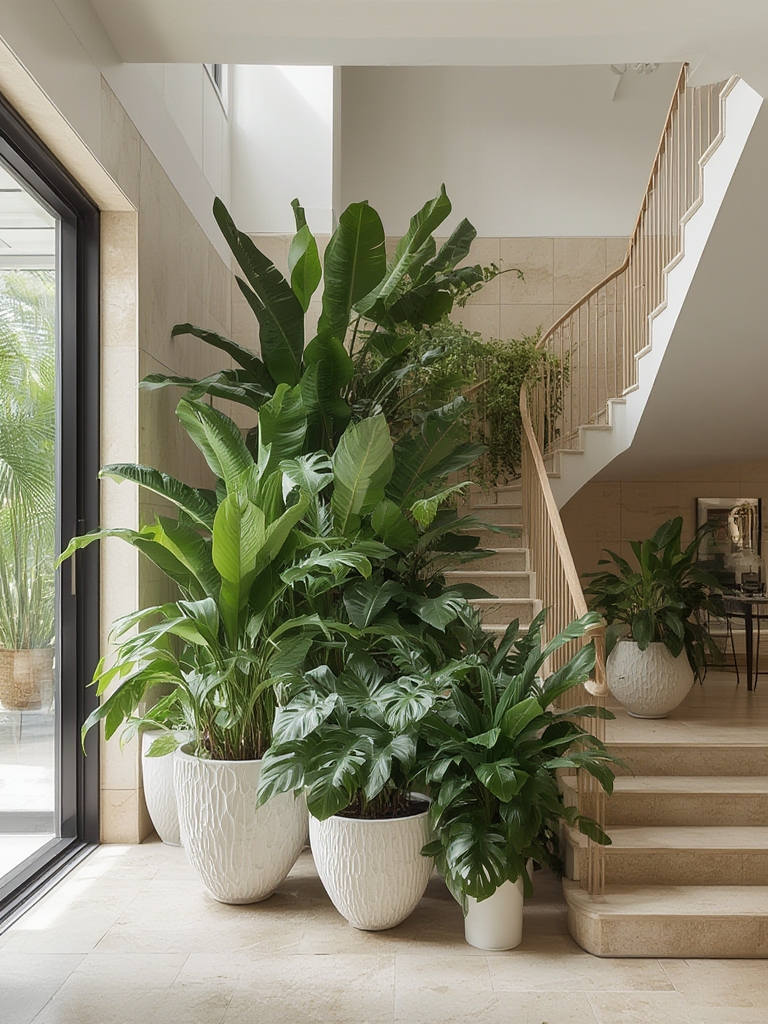
Creating a fragrant herb garden on a balcony is a rewarding way to bring fresh aromas, culinary delights, and a touch of green to even the tiniest urban spaces. With the right plant selection, smart container choices, and a few proven care techniques, you can turn a modest balcony into a thriving aromatic oasis that boosts your cooking, relaxes your mind, and adds curb‑appeal to your home.
Why Choose a Balcony Herb Garden?
Balcony herb gardens are perfect for city dwellers because they require minimal space, low maintenance, and provide immediate access to fresh herbs. The compact setup also encourages experimentation with plant combinations, vertical gardening, and creative container arrangements—all of which contribute to a visually appealing and highly functional garden.
Step‑by‑Step Guide to Building Your Fragrant Herb Garden
1. Assess Your Balcony Conditions
- Sunlight exposure: Most fragrant herbs (basil, rosemary, thyme, mint, and lavender) need at least 4–6 hours of direct sunlight daily. Observe the balcony at different times to identify the sunniest spots.
- Wind protection: Balconies can be breezy. Use windbreaks such as lattice panels, bamboo screens, or even a row of taller pots to shield delicate herbs.
- Weight limits: Check your building’s load capacity. Opt for lightweight containers (plastic, fabric grow bags) if weight is a concern.
2. Choose the Right Herbs for Fragrance and Flavor
Pick a mix of herbs that offer both scent and culinary versatility:
- Basil (Ocimum basilicum): Sweet, peppery aroma; perfect for pesto and salads.
- Rosemary (Rosmarinus officinalis): Pine‑like fragrance; great for roasted meats.
- Lavender (Lavandula angustifolia): Floral scent; ideal for teas and desserts.
- Mint (Mentha spp.): Refreshing coolness; use in drinks and sauces.
- Thyme (Thymus vulgaris): Earthy, subtle notes; excellent for soups and stews.
- Lemon verbena (Aloysia citrodora): Bright citrus aroma; adds zing to desserts.
3. Select Containers That Maximize Space
- Vertical planters: Use tiered shelves, wall‑mounted pocket planters, or a DIY pallet garden to multiply planting area without taking up floor space.
- Self‑watering pots: These maintain consistent moisture, reducing the risk of over‑ or under‑watering—especially useful for busy schedules.
- Modular containers: Stackable plastic or fabric pots let you rearrange the layout as herbs grow.
4. Use High‑Quality Potting Mix
A well‑draining mix is essential for herb health. Combine one part premium potting soil, one part perlite or coarse sand, and one part coconut coir. This blend retains enough moisture for roots while preventing waterlogging, which can cause root rot.
5. Planting Technique and Spacing
- Pre‑plant preparation: Soak seeds or seedlings in lukewarm water for 30 minutes to boost germination.
- Plant depth: Sow seeds at a depth of ¼ inch (6 mm) or transplant seedlings to the same depth they were in their original container.
- Spacing: Allow 6–12 inches (15–30 cm) between plants. For vertical planters, stagger pots to ensure each herb receives adequate light.
- Labeling: Use waterproof plant markers. Clear labeling helps you rotate crops and track harvest times.
6. Watering Best Practices
- Morning routine: Water early to let excess moisture evaporate, reducing fungal risk.
- Check soil moisture: Insert your finger 1 inch (2.5 cm) into the soil; if it feels dry, water thoroughly until it drains from the bottom.
- Mulch: Add a thin layer of shredded bark or straw to retain moisture and suppress weeds.
7. Feeding and Fertilizing
Herbs are light feeders. Apply a balanced, water‑soluble fertilizer (10‑10‑10) at half strength once a month during the growing season. Over‑fertilizing can diminish flavor, so err on the side of caution.
8. Pruning for Continuous Growth
- Pinch back: When seedlings develop 2–3 true leaves, pinch the top to encourage bushier growth.
- Harvest regularly: Snip leaves just above a node; this stimulates new shoots and prevents the plant from flowering, which can reduce leaf flavor.
- Trim woody stems: For rosemary and lavender, trim back woody growth in early spring to promote fresh, tender shoots.
9. Managing Pests and Diseases
Balcony gardens are less prone to pests, but stay vigilant:
- Aphids: Spray a mild neem oil solution (1 tsp per quart of water) weekly.
- Whiteflies: Use sticky traps on the balcony railing.
- Fungal spots: Ensure good air circulation and avoid overhead watering.
10. Harvesting and Using Your Herbs
Harvest in the morning after the dew has dried for the most potent aroma. Use sharp scissors to cut stems, leaving at least one-third of the plant intact. Store fresh herbs in a damp paper towel inside a zip‑top bag in the refrigerator, or dry them in a low‑heat oven for longer‑term storage.

Bonus Tips for Maximizing Fragrance and Aesthetic Appeal
Mix Textures and Colors
Combine foliage varieties—silvery sage leaves with deep green basil, or purple basil with bright yellow lemon verbena—to create visual interest that complements the aromatic experience.
Incorporate Scented Accents
Place a small, decorative terracotta pot of dried lavender bundles or a scented candle near the garden. The added fragrance layers enhance the overall sensory ambiance.
Seasonal Rotation
Replace summer‑loving herbs (basil, mint) with cooler‑season varieties (parsley, chives) as temperatures drop. This keeps the garden productive year‑round and prevents gaps in the balcony’s visual appeal.
Conclusion: Your Balcony as a Year‑Round Aromatic Retreat
By following these data‑driven steps—assessing light, choosing the right herbs, optimizing container use, and applying smart watering and pruning techniques—you can cultivate a fragrant herb garden that thrives on a small balcony. Not only will you enjoy fresh, flavorful ingredients at your fingertips, but you’ll also create a calming, scented oasis that elevates your living space. Start small, stay consistent, and watch your balcony transform into a lush, aromatic retreat that delights the senses every day.

