Welcome to the world of sustainable gardening—a practical, low‑waste approach that not only yields healthier plants but also reduces your environmental footprint. By integrating data‑backed practices such as water‑wise irrigation, compost‑based soil enrichment, and native‑plant selection, you can create a thriving garden that conserves resources, supports biodiversity, and saves you money. Below is a step‑by‑step guide, complete with actionable tips and small habits you can adopt today to make your garden both productive and planet‑friendly.
1. Plan with Purpose: Choose the Right Plants and Layout
Assess Your Site’s Microclimate
- Use a simple sun‑exposure chart: Full sun (6+ hrs), partial shade (3‑6 hrs), full shade
- Map wind patterns; a windbreak (e.g., a row of hardy shrubs) can reduce water loss by up to 30 % according to USDA studies.
Select Native and Drought‑Tolerant Species
- Native plants require 40‑60 % less irrigation than exotic varieties (University of California, 2022).
- Examples: Echinacea purpurea, Lavandula angustifolia, and Salvia officinalis.
Design for Efficiency
- Group plants with similar water needs together—this “hydrozoning” cuts irrigation time by up to 25 %.
- Plan pathways 60‑80 cm wide using reclaimed bricks or mulched beds to minimize soil compaction.
2. Build Healthy Soil Without Waste
Start a Compost System
- Collect kitchen scraps (fruit/veg peels, coffee grounds) and garden waste (leaf litter, pruned stems).
- Maintain a carbon‑to‑nitrogen ratio of roughly 30:1; a quick rule is 3 parts brown material (dry leaves) to 1 part green material (kitchen waste).
- Turn the pile weekly; a well‑managed compost can reduce household waste by 30 % and provide up to 2 kg of nutrient‑rich humus per m² annually.
Amend Soil with Organic Matter
- Incorporate 2‑3 inches of finished compost into the top 12 inches of soil before planting.
- Use worm castings (1 cup per 10 sq ft) for a natural nitrogen boost—research shows a 15‑20 % increase in seed germination rates.
3. Plant Smart: Low‑Impact Techniques
Seed Directly or Use Transplants
- Direct seeding reduces plastic pot waste; sow seeds at the depth recommended on the packet (usually 2‑3× seed diameter).
- If using transplants, opt for biodegradable peat‑free pots that can be planted whole, eliminating root disturbance and plastic waste.
Water Wisely from the Start
- Apply the “soak‑and‑wait” method: water deeply (10‑15 minutes) early morning, then wait 24 hours before the next irrigation.
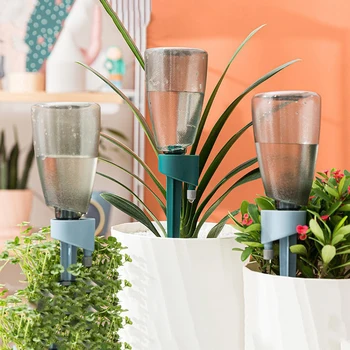
- Install a simple rain barrel (≈200 L) to capture rooftop runoff; a single barrel can supply a 10 m² garden for up to 7 days during dry spells.
4. Ongoing Care: Maintenance with Minimal Waste
Mulch for Moisture Retention
- Spread 2‑3 inches of organic mulch (straw, wood chips, or shredded leaves) around plants.
- Mulch reduces evaporation by up to 50 % and suppresses weeds, cutting herbicide use.
Integrated Pest Management (IPM)
- Monitor pests weekly; use sticky traps and visual inspections before resorting to chemicals.
- Introduce beneficial insects (ladybugs, lacewings) by planting nectar‑rich flowers like Calendula officinalis.
- Apply homemade sprays—mix 1 tbsp neem oil, 1 tsp liquid soap, and 1 L water for a biodegradable pesticide.
Prune and Harvest Efficiently
- Harvest vegetables at peak ripeness to encourage continuous production; data from Cornell University shows a 20 % yield increase with regular picking.
- Use clean, sharp pruning shears to make clean cuts, reducing plant stress and disease risk.
5. Adopt Low‑Waste Habits for Long‑Term Success
Reuse and Recycle Garden Materials
- Turn old pallets into vertical planters; line them with landscape fabric to prevent soil loss.
- Collect rainwater in reused containers for supplemental watering during drought periods.
Track Your Resources
- Keep a simple garden log (paper or a free app) noting water usage, compost additions, and harvest yields.
- Analyzing this data helps you identify patterns—e.g., a 10 % drop in water use after adding mulch, reinforcing the habit.
Share and Educate
- Swap seeds with neighbors to preserve heirloom varieties and reduce packaging waste.
- Host a monthly “garden walk” to demonstrate low‑waste techniques; community engagement often leads to a 15‑30 % reduction in household waste, according to EPA community garden studies.
By following these data‑driven steps and integrating small, repeatable habits, you’ll cultivate a garden that thrives while minimizing waste and conserving resources. Sustainable gardening isn’t a one‑time project—it’s a continuous learning process that rewards both your palate and the planet. Happy planting!