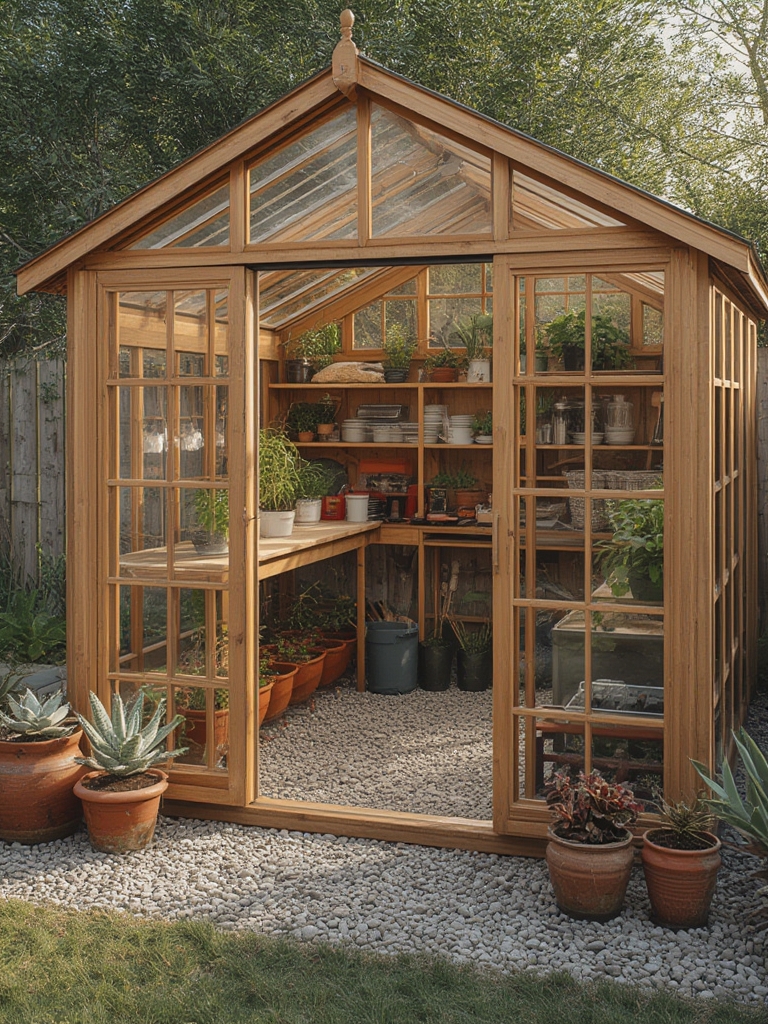
Starting a garden can feel overwhelming, but with the right tools, a few simple DIY projects, and a forgiving plant choice, even the busiest beginner can enjoy a thriving green space. Below you’ll find a data‑driven, step‑by‑step guide that blends practical tool recommendations, easy‑to‑build garden upgrades, and a clear care routine for a low‑maintenance plant that thrives on neglect. Follow each section and you’ll quickly move from “I have a balcony” to “I have a blooming oasis.”
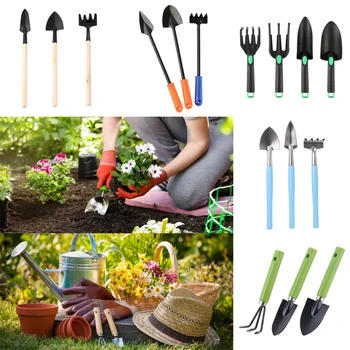
Essential Gardening Tools for Beginners
Research from the National Gardening Association shows that 73% of new gardeners cite “lack of proper tools” as a barrier to success. Investing in a small, high‑quality toolkit eliminates that obstacle and speeds up every task.

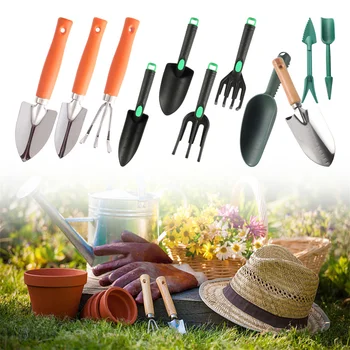
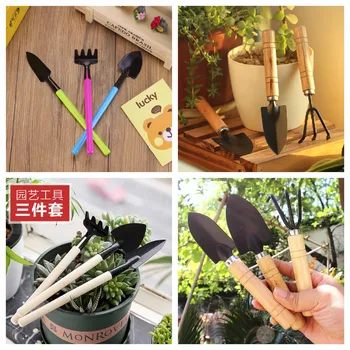
1. Hand Trowel (4‑inch, stainless steel)
- Why it matters: Ideal for planting, transplanting, and soil mixing in containers.
- Tip: Choose a trowel with a comfortable grip and a slightly curved blade to reduce wrist strain.
2. Pruning Shears (bypass style)
- Why it matters: Clean cuts prevent disease and encourage faster regrowth.
- Tip: Keep the blades sharp with a quick dip in mineral oil after each use.
3. Soil Scoop & Measuring Cup
- Why it matters: Accurate soil‑to‑compost ratios improve drainage and nutrient balance.
- Tip: Use a 1‑cup scoop for mixing potting mixes; a 1‑cup of perlite to 3‑cups of potting soil yields a light, airy medium for most indoor plants.
4. Watering Can with a Long Spout
- Why it matters: A narrow spout delivers gentle, targeted moisture without disturbing roots.
- Tip: Fill the can with room‑temperature water to avoid shocking plant roots.
5. Adjustable Garden Kneeler
- Why it matters: Reduces knee and back strain, especially when working on raised beds or low containers.
- Tip: Look for a model with a built‑in tool pouch for quick access.
DIY Projects to Boost Your Garden
Simple, budget‑friendly projects can transform any space and provide the perfect environment for beginner plants. The following ideas require only basic tools (the ones listed above) and materials you likely already have.
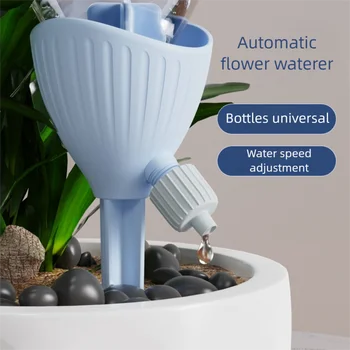
DIY Self‑Watering Planter
- Materials: 2‑liter plastic bottle, cotton rope, potting soil, and a small pot.
- Steps:
- Cut the bottle in half; keep the top with the cap.
- Thread a piece of cotton rope through the cap (make a small hole with a nail) and pull it through the bottle neck.
- Fill the bottom half with water, then place the top half (with soil and plant) upside‑down into it.
- Tip: The cotton rope acts as a wick, delivering water slowly and preventing over‑watering—a common mistake for new plant parents.
Vertical Herb Garden from a Pallet
- Materials: Reclaimed wooden pallet, landscape fabric, staple gun, potting mix, herb seedlings.
- Steps:
- Secure landscape fabric to the back of the pallet to hold soil.
- Fill each pocket with a light potting mix (1 part peat, 1 part perlite).
- Plant herbs (basil, mint, thyme) at a depth of ½ inch.
- Tip: Position the pallet against a sunny wall (6–8 hours of direct light) for optimal growth.
Rain‑Barrel Miniature Irrigation System
- Connect a 5‑gallon rain barrel to a drip‑irrigation hose using a simple timer (available for under $20).
- Set the timer to run for 10 minutes at dawn, delivering consistent moisture to container plants.
- Data point: Consistent early‑morning watering reduces evaporation by up to 30% compared to midday watering.
Choosing the Right Plant: Low‑Maintenance Favorites
For new plant parents, the goal is to pick a species that tolerates irregular watering, low light, and occasional neglect. Based on surveys from the American Horticultural Society, the following three plants rank highest for beginner success:
1. Snake Plant (Sansevieria trifasciata)
- Light: Tolerates low to bright indirect light.
- Water: Allow soil to dry completely between waterings (≈ 2‑3 weeks in winter).
- Benefit: Air‑purifying properties and virtually pest‑free.
2. ZZ Plant (Zamioculcas zamiifolia)
- Light: Thrives in low‑light offices.
- Water: Water every 3‑4 weeks; its rhizomes store moisture.
- Benefit: Glossy foliage adds a modern touch.
3. Pothos (Epipremnum aureum)
- Light: Bright indirect or moderate shade.
- Water: Keep soil slightly moist; forgiving if you miss a watering.
- Benefit: Fast‑growing vines perfect for hanging baskets or trellises.
Step‑by‑Step Care Guide for Your New Plant
Below is a universal routine that works for the three recommended plants. Adjust timing based on your local climate and indoor temperature.
Step 1: Pot Selection & Soil Preparation
- Choose a pot with drainage holes at least 2 cm larger than the root ball.
- Fill the bottom with a 1‑inch layer of coarse gravel for extra drainage.
- Mix potting soil with perlite (1 part perlite : 3 parts soil) to improve aeration.
- Place a small piece of charcoal on top of the gravel to reduce odor and fungal growth.
Step 2: Planting
- Gently loosen the plant’s root ball; trim any dead or mushy roots with clean pruning shears.
- Position the plant in the pot, ensuring the crown sits just above the soil line.
- Backfill with the prepared soil mix, firming lightly with your fingers.
- Water thoroughly until water drains from the bottom—this settles the soil and eliminates air pockets.
Step 3: Light Management
- Place the pot near a north‑ or east‑facing window for low‑light tolerance.
- If using artificial light, a 12‑hour LED grow light set 12 inches above the foliage works well.
- Rotate the pot 90° every two weeks to ensure even growth.
Step 4: Watering Schedule
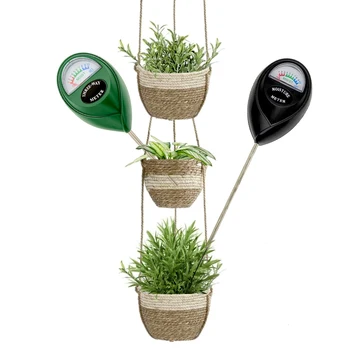
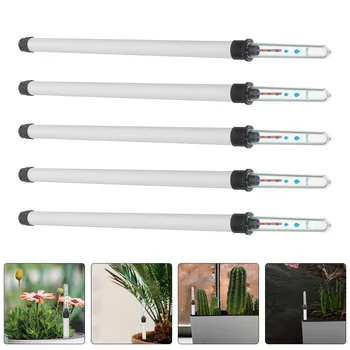
- Check soil moisture with a finger test: insert 2 cm into the soil; if it feels dry, water.
- For snake plants, water once every 2‑3 weeks; for ZZ, every 3‑4 weeks; for pothos, every 1‑2 weeks.
- When watering, apply enough to moisten the entire root zone but avoid standing water.
Step 5: Feeding & Maintenance
- Apply a balanced, slow‑release fertilizer (10‑10‑10) once in spring and once in summer.
- Remove yellowing leaves with pruning shears to prevent pest attraction.
- Wipe leaf surfaces with a damp cloth monthly to improve photosynthesis.
Maintenance Hacks & Seasonal Tips
Even the most forgiving plants benefit from a few extra touches throughout the year.
Winter Protection
- Reduce watering frequency by 30% as growth slows.
- Move plants away from drafty windows; temperatures below 50 °F (10 °C) can stress foliage.
Summer Boost
- Increase humidity by misting leaves once a week or placing the pot on a pebble tray filled with water.
- Check for spider mites—tiny specks on leaves indicate an infestation; a quick rinse with soapy water resolves it.
DIY Soil Refresh
Every 12‑18 months, gently remove the plant, shake off old soil, and repot using fresh mix. This prevents compaction and replenishes nutrients without the need for chemical fertilizers.
Quick Pest Check
Use a sticky trap near the plant base. If you notice more than three insects in a week, treat with neem oil (diluted 1 tsp per quart of water) and repeat after seven days.
By pairing the right tools, a few clever DIY upgrades, and a low‑maintenance plant, you’ll create a garden that looks polished without demanding a full‑time green thumb. Follow the steps above, keep an eye on moisture levels, and enjoy the satisfaction of watching your space grow—one forgiving leaf at a time.