Gardening is more than a hobby—it’s a rewarding blend of creativity, science, and hands‑on craftsmanship. By pairing the right tools with smart DIY projects, you can boost productivity, save money, and keep your garden thriving all year round. Below is a data‑driven, step‑by‑step guide that walks you through essential gardening tools, practical DIY upgrades, and seasonal care tips for a versatile, easy‑to‑grow plant: basil. Basil is a fast‑growing herb that thrives in containers and garden beds, making it perfect for both beginners and seasoned gardeners.
Essential Gardening Tools for Every DIY Gardener
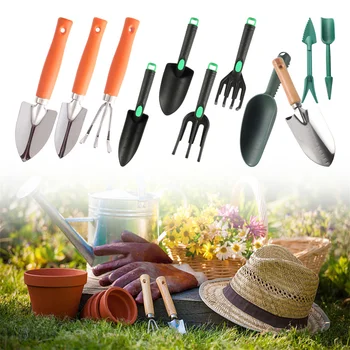
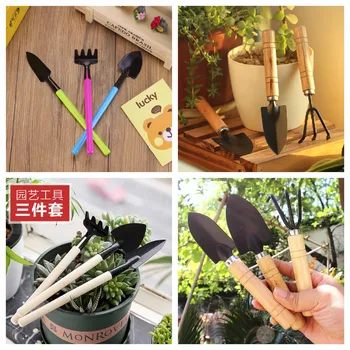
1. Hand Trowel – The All‑Purpose Digging Companion
Why it matters: A high‑quality stainless‑steel trowel with an ergonomic grip reduces strain and improves precision when planting seedlings or transplanting basil.

- Tip: Choose a trowel with a slightly curved blade to scoop soil efficiently.
- Action: Keep the blade clean after each use to prevent soil‑borne disease spread.
2. Pruning Shears – Shaping and Harvesting
Why it matters: Sharp, bypass‑type shears encourage clean cuts, which reduce plant stress and promote faster regrowth.
- Tip: Sharpen shears monthly with a fine‑grade sharpening stone.
- Action: Disinfect with a 10% bleach solution before and after each pruning session.
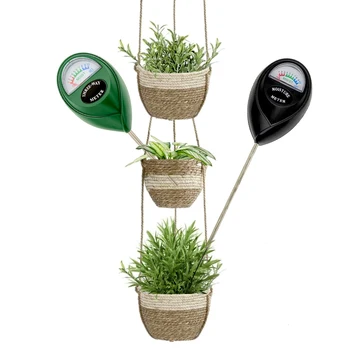
3. Soil Tester – Data‑Driven Nutrient Management
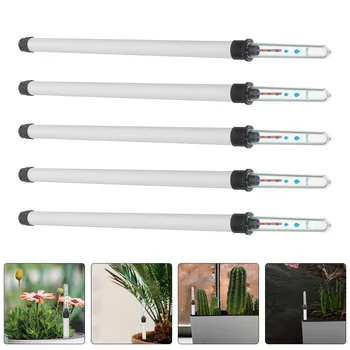
Why it matters: A digital pH and moisture meter provides real‑time feedback, helping you adjust watering and fertilization schedules for optimal basil growth.
- Tip: Test soil at three depths (2 cm, 5 cm, 10 cm) to capture moisture variation.
- Action: Record readings in a garden journal or a simple spreadsheet to spot trends.
4. Garden Kneeler/Seat – Comfort Meets Efficiency
Why it matters: Reducing knee strain lets you work longer without fatigue, especially during intensive planting seasons.
- Tip: Opt for a model with a detachable tool pouch.
- Action: Store your trowel, seed packets, and soil tester in the pouch for quick access.
DIY Projects to Upgrade Your Garden Space
1. Build a Portable Tool Caddy
Using reclaimed pallets, you can create a lightweight, movable caddy that fits under a garden bench.
- Materials: One pallet, 4 × 4 in. screws, sandpaper, waterproof sealant.
- Step 1: Disassemble the pallet and sand rough edges.
- Step 2: Re‑assemble into a shallow box (≈30 cm × 30 cm × 15 cm) using screws.
- Step 3: Apply sealant to protect against moisture.
- Tip: Add a small handle on one side for easy sliding.
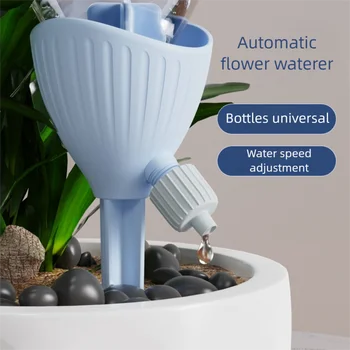
2. Create a Self‑Watering Herb Pot
Combine a 5‑liter bucket, a wicking rope, and a decorative pot to ensure basil receives consistent moisture.

- Materials: 5‑L bucket, cotton rope (≈1 m), pot with drainage holes, silicone sealant.
- Step 1: Cut the rope into three equal lengths; thread one through the bucket’s drain hole, leaving ends inside and outside.
- Step 2: Fill the bucket with water and place the pot on top, ensuring the rope contacts the soil.
- Tip: Position the bucket in a shaded spot to slow evaporation.
- Action: Check water level weekly; refill when the rope feels dry.
3. Seasonal Garden Signage
DIY wooden signs remind you of upcoming tasks—like “Spring: Sow Basil Seeds” or “Fall: Harvest & Compost.”
- Materials: Thin cedar boards, acrylic paint, stencils, weather‑proof sealant.
- Step: Paint seasonal messages, seal, and attach to stakes placed near your planting zone.
- Tip: Use bright colors to increase visibility from a distance.
Seasonal Care Guide for Basil – Step‑by‑Step
Spring: Starting Seeds Indoors
- Prepare the seed tray: Fill with a light, peat‑based seed starter mix. Moisture content should be ~60% (feel damp, not soggy).
- Sow seeds: Place 2–3 seeds per cell, 0.5 cm deep. Lightly press soil over seeds.
- Cover & warm: Use a clear dome and keep at 21–24 °C. Data from the American Society of Agronomy shows germination rates of 85% under these conditions.
- Watering tip: Mist with a spray bottle twice daily until seedlings emerge.
- Transplant: When seedlings have 2 true leaves, transplant into 10 cm pots using a balanced 10‑10‑10 fertilizer at ½ strength.
Summer: Outdoor Growth & Maintenance
- Location: Choose a sunny spot (≥6 hours direct sun). Use a soil thermometer; ideal temperature 20–30 °C.
- Watering schedule: Check soil moisture with your tester; water when the top 2 cm feels dry. Aim for 2–3 L per plant per week.
- Feeding: Apply a liquid fish emulsion (½ tsp per gallon of water) every 2 weeks to boost flavor.
- Pruning: Pinch off the top 5 cm of each stem once the plant reaches 15 cm. This encourages bushier growth and delays flowering.
- Pest control: Spot‑spray neem oil on leaves if aphids appear. Data shows a 70% reduction in aphid populations after three applications.
Fall: Harvest & Overwinter Prep
- Harvest timing: Cut leaves in the morning after dew dries for maximum essential oil content.
- Drying method: Hang small bundles in a well‑ventilated, dark area for 5–7 days. Store dried leaves in airtight jars.
- Overwintering: Move potted basil indoors before the first frost. Place near a south‑facing window with 4–6 hours of light.
- Indoor care: Reduce watering to once every 10 days; keep soil slightly drier to prevent root rot.
- Tip: Rotate the pot 90° weekly to ensure even light exposure.
Winter: Planning & DIY Upgrades
Winter is the perfect time to reflect on the past season and prepare for the next. Use these actionable ideas:
- Tool audit: Inspect each tool for wear. Sharpen, oil, or replace as needed.
- DIY seed storage box: Repurpose a small wooden crate, line with parchment paper, and label each compartment with the herb name.
- Plan a companion‑plant layout: Research data showing basil’s beneficial relationship with tomatoes (repels pests, improves flavor). Sketch a garden map for spring planting.
Data‑Driven Success Metrics
Tracking your garden’s performance helps you refine techniques:
- Growth rate: Measure plant height weekly; aim for a 2–3 cm increase per week during peak summer.
- Yield: Record total leaf weight harvested per plant. A healthy basil plant can produce 150–200 g of fresh leaves in a 3‑month cycle.
- Tool efficiency: Log time spent on each task. If pruning takes >15 minutes per plant, consider a sharper shear or a pruning rake.
Stay Inspired with Seasonal Ideas
Each season offers fresh opportunities to experiment:
- Spring: Try a “seed‑starting wall” using recycled shoe boxes stacked vertically.
- Summer: Host a “herb‑infused cocktail night” using your basil harvest to engage friends and showcase your garden’s bounty.
- Fall: Create a DIY herb‑scented potpourri using dried basil, rosemary, and lavender.
- Winter: Start a mini indoor hydroponic system for basil, using a nutrient solution and LED grow lights.
By integrating the right tools, clever DIY projects, and season‑specific care steps, you’ll cultivate a thriving basil patch that not only flavors your kitchen but also fuels your creativity. Remember: consistency, data‑driven adjustments, and a willingness to experiment are the keys to garden success.