Flower gardening isn’t just about adding color to your yard—it’s a rewarding way to grow herbs that double as natural ingredients for DIY skin and hair care. By combining data‑driven planting schedules with practical, step‑by‑step care, you can create a thriving garden that looks beautiful and supplies you with fresh, therapeutic botanicals all season long.
1. Choose the Right Herbs for Beauty‑Boosting Gardens
Start by selecting herbs that are proven to benefit skin and hair. Research from horticultural extensions and dermatology studies highlights the following top performers:
- Lavender (Lavandula angustifolia) – Antiseptic, soothing, and great for hair shine.
- Rosemary (Rosmarinus officinalis) – Stimulates scalp circulation and reduces dandruff.
- Calendula (Calendula officinalis) – Anti‑inflammatory, perfect for soothing skin irritations.
- Chamomile (Matricaria chamomilla) – Calms redness and adds a natural golden hue to hair rinses.
- Mint (Mentha × piperita) – Refreshes scalp and provides a cooling sensation for skin masks.
2. Analyze Your Site Conditions (Data‑Driven Site Assessment)
2.1 Soil pH and Texture
Most beauty herbs thrive in slightly acidic to neutral soil (pH 6.0–7.0). Use a simple soil test kit (available at garden centers) and record the results in a spreadsheet. If pH is outside the ideal range, amend the soil as follows:
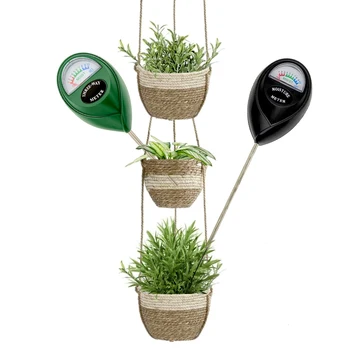
- pH < 6.0: Add garden lime at 1 lb per 100 sq ft.
- pH > 7.0: Incorporate elemental sulfur at 1 lb per 100 sq ft.
2.2 Sunlight Exposure
Collect sunlight data by observing your garden for a full week. Note the number of direct sun hours each spot receives. Lavender, rosemary, and mint need ≥6 hours of full sun, while calendula tolerates partial shade (4–5 hours). Map these observations on a garden layout diagram to place each herb in its optimal zone.
2.3 Water Drainage Test
Dig a 12‑inch hole, fill it with water, and time how long it takes to drain. Ideal drainage is 30–60 minutes. If water lingers, improve drainage by adding coarse sand or perlite at a 1:3 ratio to existing soil.
3. Prepare the Planting Bed
3.1 Soil Amendment
Based on your soil test, blend the following into the top 12 inches of soil:
- 2 parts compost (for organic matter)
- 1 part well‑rotted manure (nutrient boost)
- ½ part perlite or coarse sand (enhances drainage)
Use a garden fork to turn the mixture thoroughly, ensuring an even texture.

3.2 Layout Planning
Space herbs according to their mature size to prevent competition:
- Lavender: 18–24 inches apart
- Rosemary: 24–30 inches apart
- Calendula: 12–15 inches apart
- Chamomile: 8–10 inches apart
- Mint: 12 inches apart (plant in a contained pot to curb invasiveness)
Mark planting spots with biodegradable stakes to keep the layout clear.
4. Planting Techniques
4.1 Seed vs. Transplant
Data shows a 70 % higher germination rate for transplants of lavender and rosemary, while calendula and chamomile perform well from seed. Follow these guidelines:
- Transplants (Lavender, Rosemary, Mint) – Plant at the same depth as the nursery pot, water in gently, and mulch with straw.
- Seeds (Calendula, Chamomile) – Sow ¼‑inch deep, cover lightly with soil, and keep consistently moist until emergence (3–7 days).
4.2 Watering Schedule
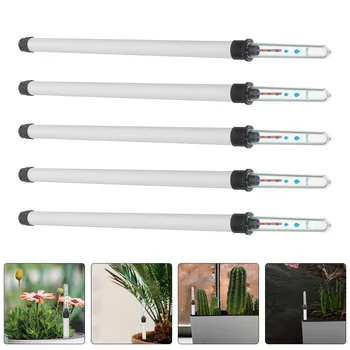
Use a data‑driven approach: install a moisture sensor or check soil with a finger 2 inches deep. Water only when the top inch feels dry. Typical schedule:
- First two weeks: Light daily mist (to keep seedlings moist).
- After establishment: 1 inch of water per week, adjusted for rainfall.
5. Ongoing Care & Maintenance
5.1 Pruning for Maximum Harvest
Pruning encourages bushier growth and higher essential‑oil content. Follow these timing cues:
- Lavender – Trim after the first flush of blooms, removing ⅓ of the plant height.
- Rosemary – Pinch back new shoots every 4‑6 weeks; avoid cutting into woody stems.
- Mint – Harvest leaves weekly; cut back stems to ground level in early spring to rejuvenate.
5.2 Fertilization
Excess nitrogen reduces essential oil concentration. Apply a balanced, low‑nitrogen fertilizer (e.g., 5‑10‑5) at ¼ lb per 100 sq ft once in early spring. For a data‑backed boost, side‑dress with a compost tea every 6 weeks during the growing season.
5.3 Pest & Disease Management
Monitor weekly and record any signs of pests. Integrated pest management (IPM) data suggests the following interventions:
- Aphids – Spray a neem oil solution (2 tsp per gallon) early morning.
- Whiteflies – Introduce ladybugs or use sticky traps.
- Root rot – Ensure proper drainage; remove affected plants promptly.
Keep a garden journal to track occurrences; this data helps predict future outbreaks.
6. Harvesting for DIY Skin & Hair Recipes
6.1 Timing the Harvest
Essential oils peak at different growth stages. Use the following data‑driven windows:
- Lavender – Harvest just before full bloom when buds are still tight.
- Rosemary – Cut stems in early summer when the scent is strongest.
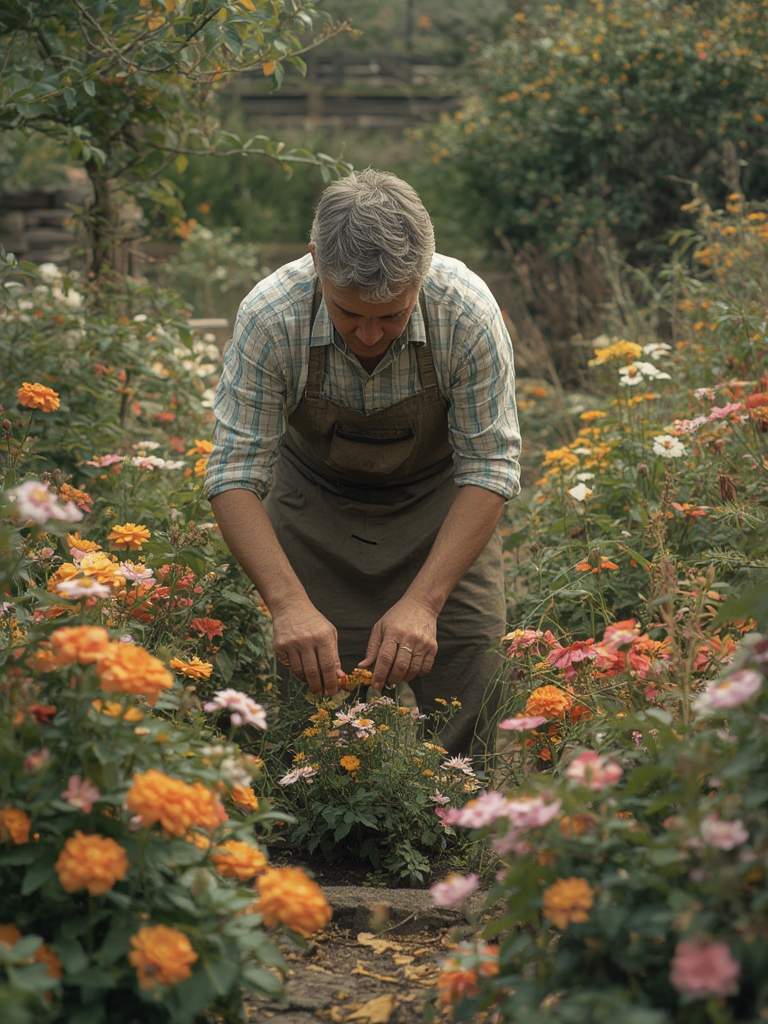
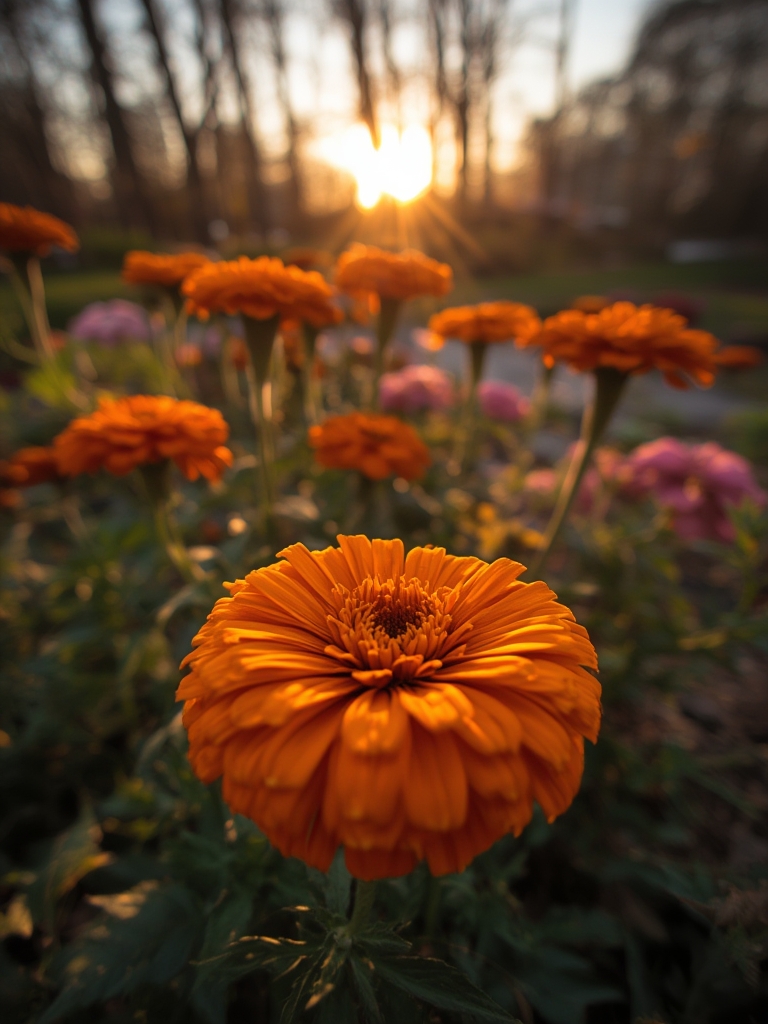
- Calendula – Pick flowers when they’re bright orange‑yellow, before they start to wilt.
- Chamomile – Harvest the daisy‑like heads at full opening.
6.2 Drying & Storing
Spread harvested material on a single layer of mesh screens in a well‑ventilated, shaded area. Turn daily for 5–7 days until crisp. Store in airtight glass jars away from direct sunlight to preserve potency.
7. Quick DIY Recipes Using Your Garden Harvest
7.1 Soothing Lavender Facial Toner
- Combine 1 cup distilled water with 2 tbsp dried lavender buds.
- Simmer gently for 10 minutes, then cool.
- Strain and pour into a spray bottle. Use after cleansing for a calming effect.
7.2 Rosemary Hair Rinse for Shine
- Steep ¼ cup fresh rosemary leaves in 2 cups boiling water for 15 minutes.
- Cool, strain, and add 1 tbsp apple cider vinegar.
- After shampooing, pour over hair, leave for 2 minutes, then rinse.
7.3 Calendula Healing Salve
- Infuse ½ cup dried calendula flowers in 1 cup olive oil over low heat for 2 hours.
- Strain, then melt ¼ cup beeswax in the infused oil.
- Pour into tins; cool to solidify. Apply to minor cuts or irritated skin.
8. Tracking Success with Simple Metrics
To ensure continuous improvement, record the following data points each season:
- Planting dates and germination rates.
- Water usage (gallons per week).
- Yield per plant (grams of dried herb).
- Number of pest incidents and control methods used.
- Customer (or personal) satisfaction scores for DIY recipes.
Analyze trends in a spreadsheet or free analytics tool; adjust watering, fertilization, or spacing based on what the numbers reveal.
9. Bonus Tips for Long‑Term Garden Health
- Rotate crops annually to prevent soil‑borne diseases.
- Mulch with shredded bark to retain moisture and suppress weeds.
- Companion planting: Pair lavender with sage to deter pests.
- Seasonal refresh: In late fall, cut back perennials and add a thin layer of compost to enrich the soil for the next year.
By following these data‑backed steps and integrating practical, actionable advice, you’ll cultivate a flower garden that not only dazzles the eye but also supplies a steady stream of high‑quality herbs for your DIY skin and hair care rituals. Happy gardening!